From Diagnosing To Recovery: The Holistic Go About Of Health Chec Clinics In Transforming Lives

In Recent epoch geezerhood, the medical area has seen a substantial transfer from purely symptom-based treatments to more comp, patient role-centered care. This passage is best material in the growing borrowing of holistic approaches in medical exam clinics. Holistic care recognizes the complex connections between body, mind, and inspirit and aims to treat the whole person rather than just direction on a particular disease or condition. With its sharpen on personalized treatment plans, alternative therapies, and mental wellness subscribe, holistic medicine is transforming the way patients see their recovery process.

The Foundation of Holistic Healthcare

At the core of holistic medicate is the idea that wellness is not merely the petit mal epilepsy of sickness, but a poise of physical, unhealthy, feeling, and spiritual well-being. تبلیغات پزشکی s that incorporate holistic approaches take into describe all aspects of a patient's life, rather than just addressing the immediate symptoms. This transfer is grounded in the understanding that factors like try, life style choices, environment, and feeling health play material roles in a person's overall health.

Rather than prescribing medicine to mask symptoms, holistic clinics focus on identifying the root causes of a patient's . This may require examining factors like diet, sleep out habits, physical natural action, feeling stress, and even relationships. A thorough symptomatic work on often includes comp tests and a elaborate consultation to empathise the full scope of the patient's health.

A Comprehensive Treatment Plan

One of the standout features of holistic health care is its vehemence on personal handling plans. Each affected role is seen as a unusual mortal with specific needs, and their handling is plain accordingly. This might admit a combination of orthodox medical exam treatments, such as prescription drug medications and surgeries, aboard alternative therapies like acupuncture, chiropractic care, nutritional counseling, or heedfulness practices.

For example, a patient role with prolonged pain may be annealed not only with pain direction medications but also with physical therapy, yoga, and acupuncture to meliorate mobility and tighten pain in a more natural, sustainable way. Holistic checkup clinics also often incorporate herbal tea supplements, medical aid remedies, or other non-invasive treatments to complement orthodox methods, aiming to heighten the body's natural therapeutic processes.

The Role of Mental and Emotional Health

In a holistic checkup go about, mental and emotional wellness is just as evidential as physical health. Medical conditions are often exacerbated by emotional stress, anxiousness, slump, and other psychological factors. Clinics that bosom this go about often include therapy or counseling as part of their handling offerings.

Cognitive-behavioral therapy(CBT), heedfulness-based try simplification(MBSR), and speculation techniques are ordinarily used in holistic treatment plans to help patients manage their emotions and try levels. Studies have shown that individuals with strong emotional and scientific discipline subscribe tend to see better outcomes in natural science alterative, as these therapies help promote the unaffected system, tighten redness, and raise quicker recovery.

For example, patients with malignant neoplastic disease are not only treated for the disease itself but are also buttressed emotionally through counselling, group therapy, and techniques such as guided mental imagery and rest exercises. By addressing the emotional and mental toll of such illnesses, patients are better equipped to cope with the challenges of treatment and recovery.

The Power of Preventive Care

Another vital portion of holistic medicate is its focus on on prevention. Rather than wait for illness to strike, holistic clinics emphasize the grandness of life-style changes that can reduce the risk of development chronic diseases. This includes advice on victual, exercise, try management, and sleep hygiene. Holistic health chec professionals work intimately with patients to create long-term plans that foster better overall health and resiliency.

For instance, dietary counseling might promote a shift toward whole, unrefined foods that tighten redness and support optimal pipe organ function. Similarly, work out plans may be tailored to each patient's abilities, promoting effectiveness and mobility while minimizing the risk of injury. Holistic health care providers aim to endue patients with the cognition and tools they need to take control of their own health and make educated decisions about their health.

The Transformational Impact on Patients

The last goal of holistic medicine is to nurture lasting transfer in the lives of patients. By addressing the root causes of unwellness, offering emotional and mental support, and creating customised handling plans, holistic clinics not only help individuals regai from sickness but also lead fitter, more fulfilling lives. Patients often account a stronger sense of well-being, augmented vim, and a revived feel of purpose as they embark on their curative journeys.

This transformative go about has well-tried particularly operational for patients with degenerative conditions, mental health issues, and those convalescent from John Roy Major surgeries or traumatic events. By combining the best of Bodoni medicate with option therapies, holistic medical exam clinics offer a truly integrated model of care that recognizes the grandness of treating the stallion mortal, not just the .

In conclusion, holistic medicate is revolutionizing the way checkup clinics approach retrieval. With its focus on personalised care, unhealthy and emotional well-being, and preventive practices, this comprehensive approach to health care is portion to transform lives, offering hope and curative to patients in ways that traditional medicine alone cannot always achieve.

Leave a Reply

Your email address will not be published. Required fields are marked *

Related Post

The Difference Between Genetic Testing and Genetic ScreeningThe Difference Between Genetic Testing and Genetic Screening

Genetic testing and genetic screening are two terms that are often used interchangeably, but they serve distinct purposes in the realm of genetics and healthcare. Understanding the differences between them is crucial for individuals who are considering genetic evaluation for themselves or their families. Genetic testing is a medical process designed to identify specific genetic mutations or variations that may cause or predispose an individual to certain health conditions. On the other hand, genetic screening is a broader process aimed at detecting genetic disorders or risks in a population, often without a specific suspicion of disease.

While both processes involve analyzing DNA, the scope and application of genetic testing vs screening differ significantly. Genetic testing is typically recommended for individuals who have a family history of a particular genetic disorder, are experiencing symptoms of a condition with a known genetic link, or are seeking to understand their risk for passing on a genetic condition to their children. Genetic screening, however, is more about general health assessment and is often applied to large groups, such as newborn screening programs or population-wide initiatives to detect common genetic traits.

What is Genetic Testing?

Genetic testing is a highly targeted diagnostic tool that examines specific genes to identify mutations or alterations associated with inherited disorders. It is most commonly used in clinical settings to confirm a diagnosis, guide treatment decisions, or assess the risk of developing a condition later in life. For example, individuals with a family history of cystic fibrosis or Huntington’s disease may undergo genetic testing to determine if they carry the faulty gene responsible for the condition.

The process typically involves collecting a DNA sample, usually through a blood test or cheek swab, and analyzing it in a laboratory. The results are then interpreted by a genetic counselor or healthcare provider to determine whether the individual has the genetic mutation in question. Genetic testing can also be used in prenatal settings to identify potential genetic issues in an unborn child or in cancer care to identify mutations that may influence treatment options.

What is Genetic Screening?

Genetic screening is a proactive approach to identifying genetic risks or abnormalities in a population, often without prior suspicion of a specific condition. It is designed to detect genetic disorders or traits that may affect an individual’s health or the health of their offspring. Unlike genetic testing, which is targeted and diagnostic, genetic screening is broader in scope and is often used in public health programs to identify trends or common genetic issues within a community.

One of the most well-known examples of genetic screening is newborn screening, which is mandatory in many countries. These programs test newborns for a range of genetic and metabolic disorders, such as phenylketonuria (PKU) or sickle cell disease, to ensure early intervention and improve outcomes. Genetic screening can also be used in reproductive health to assess an individual’s carrier status for recessive genetic disorders, such as Tay-Sachs disease, which can inform family planning decisions.

Key Differences Between Genetic Testing and Genetic Screening

When comparing genetic testing vs screening, several key differences emerge. Genetic testing is a diagnostic tool used to identify specific genetic mutations in individuals who are at high risk or already showing symptoms of a genetic disorder. It is highly personalized and is typically ordered by a healthcare provider based on medical history or family history. Genetic screening, on the other hand, is a preventive measure used to identify genetic risks or abnormalities in a population, often without prior suspicion of disease.

Another important distinction is the scope of the analysis. Genetic testing focuses on specific genes known to be associated with particular conditions, while genetic screening may involve analyzing multiple genes or even the entire genome to identify potential risks. Additionally, genetic testing is often used in clinical settings to guide medical decisions, whereas genetic screening is more commonly used in public health initiatives to promote early detection and prevention.

The Purpose of Genetic Testing

The primary purpose of genetic testing is to provide actionable information about an individual’s genetic health. This can be invaluable for several reasons. First, it allows individuals to understand their risk for developing certain conditions, enabling them to take proactive steps to manage their health. For example, someone who tests positive for a BRCA1 or BRCA2 mutation may choose to undergo regular cancer screenings or preventive surgeries.

Second, genetic testing can help diagnose the cause of unexplained symptoms or confirm a suspected genetic disorder. For instance, individuals experiencing recurring miscarriages or infertility may undergo genetic testing to identify any underlying genetic factors contributing to their condition. Finally, genetic testing can provide important information for family planning, allowing individuals to make informed decisions about having children and the potential risks of passing on a genetic disorder.

The Purpose of Genetic Screening

Genetic screening serves a different but equally important purpose. Its primary goal is to identify genetic risks or abnormalities in a population, often to promote early intervention and improve health outcomes. For example, newborn screening programs are designed to detect genetic disorders that, if left untreated, can lead to severe health complications or developmental delays. By identifying these conditions early, healthcare providers can initiate appropriate treatment, significantly improving the child’s quality of life.

Genetic screening is also used in reproductive health to assess an individual’s carrier status for recessive genetic disorders. This information can be particularly valuable for couples who are planning a family, as it allows them to understand their risk of passing on a genetic condition to their children. Additionally, genetic screening can be used in cancer care to identify individuals who may be at higher risk for certain types of cancer due to inherited mutations, enabling them to take preventive measures.

How Genetic Testing and Screening Differ in Approach

When it comes to approach, genetic testing and screening differ in both their focus and methodology. Genetic testing is a highly targeted process that focuses on specific genes associated with known genetic disorders. It is typically performed in a clinical setting and is reserved for individuals who have a high risk of carrying a particular genetic mutation, such as those with a family history of a genetic condition.

Genetic screening, on the other hand, is a broader process that often involves analyzing multiple genes or even the entire genome to identify potential risks. It is commonly used in public health programs, such as newborn screening, and may be offered to individuals without a known family history of genetic disorders. While genetic testing is diagnostic in nature, genetic screening is more about early detection and prevention.

The Role of Genetic Testing in Mental Health

While genetic testing is perhaps most commonly associated with physical health conditions, it also plays a significant role in mental health. Certain mental health conditions, such as bipolar disorder, schizophrenia, and depression, have been linked to specific genetic mutations or variations. By identifying these genetic factors, healthcare providers can gain a better understanding of an individual’s risk for developing these conditions and develop personalized treatment plans.

For example, genetic testing can help identify individuals who may be more likely to experience adverse reactions to certain medications, allowing doctors to tailor treatment approaches to their specific needs. Additionally, genetic testing can provide insights into the genetic causes of mental health conditions, which can be invaluable for individuals who are struggling to find effective treatment options.

The Role of Genetic Screening in Mental Health

Genetic screening also has a role to play in mental health, particularly in identifying genetic risks or predispositions that may influence an individual’s mental well-being. While genetic screening is not as commonly used in mental health as it is in physical health, it can provide valuable information about an individual’s genetic makeup and how it may impact their mental health.

For instance, genetic screening can identify variations in genes that are associated with an increased risk of developing conditions such as anxiety or depression. This information can be used to develop preventive strategies or to monitor mental health more closely. Additionally, genetic screening can help identify genetic factors that may influence an individual’s response to certain medications, allowing healthcare providers to make more informed treatment decisions.

Benefits of Genetic Testing and Screening

Both genetic testing and screening offer numerous benefits for individuals and society as a whole. One of the most significant advantages of genetic testing is its ability to provide actionable information about an individual’s genetic health. This information can be used to make informed decisions about medical care, family planning, and lifestyle choices. For example, individuals who test positive for a genetic mutation linked to a particular condition can take proactive steps to manage their health and reduce their risk of developing the condition.

Genetic screening, on the other hand, offers the benefit of early detection and prevention on a population level. By identifying genetic risks or abnormalities early, healthcare providers can intervene sooner, improving health outcomes and reducing the burden of genetic disorders on individuals and society. Additionally, genetic screening can provide valuable insights into the genetic diversity of a population, which can inform public health policies and initiatives.

Limitations and Risks of Genetic Testing and Screening

While genetic testing and screening offer many benefits, they also have limitations and risks that must be considered. One of the most significant risks of genetic testing is the potential for false positives or false negatives, which can lead to unnecessary anxiety or a false sense of security. Additionally, genetic testing may identify mutations that are not fully understood, leading to uncertainty about their implications for health.

Genetic screening also has its own set of limitations and risks. Because genetic screening is often performed on a population level, it may not be as targeted or specific as genetic testing. This can lead to false positives or false negatives, as well as the identification of genetic variations that may not have a significant impact on health. Furthermore, genetic screening may raise ethical concerns, particularly when it comes to the use of genetic information in employment or insurance decisions.

The Psychological Impact of Genetic Testing and Screening

The psychological impact of genetic testing and screening should not be underestimated. For many individuals, receiving genetic test results can be a life-changing experience, particularly if the results indicate a high risk of developing a serious condition. This can lead to feelings of anxiety, fear, or uncertainty about the future. On the other hand, genetic testing can also provide a sense of relief for individuals who learn that they do not carry a particular genetic mutation.

Genetic screening can also have a psychological impact, particularly in cases where the results indicate a heightened risk of developing a condition. For example, individuals who learn that they are carriers of a recessive genetic disorder may experience anxiety about passing the condition on to their children. It is important for individuals undergoing genetic testing or screening to receive appropriate counseling and support to help them navigate the emotional and psychological implications of their results.

Ethical Considerations in Genetic Testing and Screening

The use of genetic testing and screening raises a number of ethical considerations that must be carefully addressed. One of the most significant ethical issues is the potential for genetic discrimination, where individuals may face discrimination in employment, insurance, or other areas based on their genetic information. This has led to the implementation of laws and regulations, such as the Genetic Information Nondiscrimination Act (GINA) in the United States, to protect individuals from genetic discrimination.

Another ethical concern is the potential for genetic testing and screening to be used in ways that are not in the best interests of the individual. For example, some critics argue that genetic testing may be used to make decisions about an individual’s reproductive choices, such as whether to have children or to terminate a pregnancy based on genetic information. Additionally, there are concerns about the privacy and confidentiality of genetic information, particularly in an era where genetic data is increasingly being shared and used in research and other applications.

The Future of Genetic Testing and Screening

The future of genetic testing and screening is likely to be shaped by advances in technology and our growing understanding of the human genome. One of the most exciting developments in the field of genetics is the rise of DNA health checks, which involve analyzing an individual’s DNA to identify genetic variations that may be associated with an increased risk of certain health conditions. These tests are often direct-to-consumer, meaning that individuals can purchase them without the need for a prescription or a visit to a healthcare provider.

While DNA health checks offer the potential for greater awareness and understanding of genetic health risks, they also raise important questions about the role of genetic testing in healthcare. For example, how will the information provided by DNA health checks be used by individuals and healthcare providers? Will individuals be able to interpret the results accurately, or will they require guidance from a genetic counselor or other healthcare professional? Additionally, there are concerns about the accuracy and reliability of direct-to-consumer genetic tests, as well as the potential for misuse of genetic information.

Conclusion

Understanding the difference between genetic testing and genetic screening is essential for anyone considering genetic evaluation for themselves or their families. While genetic testing is a targeted diagnostic tool used to identify specific genetic mutations, genetic screening is a broader preventive measure used to detect genetic risks or abnormalities in a population. Both processes have the potential to provide valuable insights into an individual’s genetic health, but they also raise important ethical, psychological, and practical considerations.

As our understanding of genetics continues to evolve, it is likely that genetic testing and screening will play an increasingly important role in healthcare. Whether you are considering genetic testing for a specific condition or exploring the potential benefits of a DNA health check, it is essential to approach genetic evaluation with a clear understanding of its purposes, limitations, and implications. By doing so, you can make informed decisions about your genetic health and take proactive steps to protect your well-being.

If you are interested in learning more about genetic testing and how it can benefit your mental health, visit Vantage Mental Health(https://www.vantagementalhealth.org/genetic-testing/) to explore their services and resources.

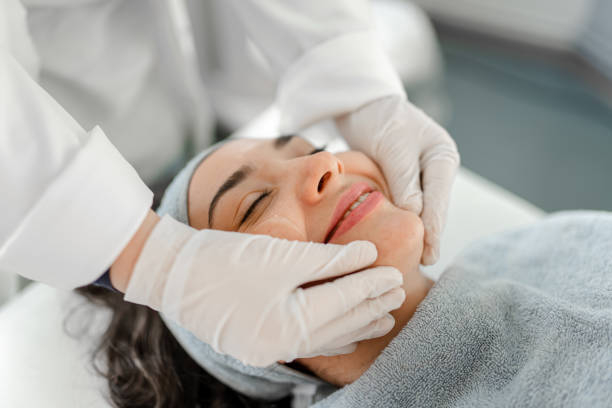
The Rise of Medical Beauty: How Innovation and Self-Care Are Changing AestheticsThe Rise of Medical Beauty: How Innovation and Self-Care Are Changing Aesthetics

In recent years, the beauty industry has undergone a profound transformation. The traditional notion of beauty—often defined by flawless skin, youthful features, and ideal proportions—has expanded to embrace new technologies and techniques that allow individuals to enhance their appearance in more customized and effective ways. This evolution has given rise to medical beauty, a rapidly growing sector that merges medical science with cosmetic enhancement. From non-invasive treatments to cutting-edge skin therapies, medical beauty offers individuals the chance to improve their appearance in ways that were once reserved for the elite or required invasive procedures.

But what exactly does medical beauty entail, and how has it reshaped the beauty landscape? In this article, we will explore the world of medical beauty, its key treatments, the benefits it provides, and why it’s becoming such a popular choice for self-care in the modern age.

What Is Medical Beauty?

Medical beauty, often referred to as aesthetic medicine, encompasses a wide range of minimally invasive and non-surgical procedures that focus on enhancing a person’s physical appearance. These treatments can address various concerns such as wrinkles, skin texture, pigmentation, body contours, and even hair loss. Unlike traditional beauty treatments (like facials or makeup), medical beauty involves more specialized, scientifically-backed procedures often administered by licensed professionals, such as dermatologists, cosmetic surgeons, or trained medical aestheticians.

The hallmark of medical beauty is that it combines medical knowledge with cosmetic enhancements, ensuring that treatments are both effective and safe. With the rise of non-invasive options, more people are turning to medical beauty to achieve aesthetic goals without the need for traditional surgeries like facelifts or liposuction.

Why Medical Beauty Is Gaining Popularity

Medical beauty treatments have skyrocketed in popularity for several reasons. These factors have made them a desirable option for individuals seeking to enhance their appearance:

1. Non-Surgical Alternatives to Cosmetic Surgery

In contrast to traditional surgical procedures, medical 水光針效果 offers minimally invasive or non-invasive alternatives that come with fewer risks, reduced recovery times, and lower costs. For example, Botox, dermal fillers, and laser treatments offer clients noticeable results without the need for general anesthesia, incisions, or long recovery periods. The appeal of these less invasive options is clear: they offer a way to look younger, fresher, or more sculpted without the commitment of surgery.

2. Personalization and Customization

One of the greatest advantages of medical beauty is its highly personalized nature. Unlike one-size-fits-all beauty treatments, medical beauty procedures are tailored to the specific needs of each client. A dermatologist or medical professional will assess the individual’s skin type, concerns, and goals before recommending a personalized treatment plan. Whether it's Botox for wrinkle reduction, laser treatments for pigmentation, or fillers for volume restoration, medical beauty focuses on delivering results that align with each person's unique features.

3. Quick and Convenient Results

Time is precious, and many individuals today are looking for treatments that fit into their busy lifestyles. Most medical beauty procedures are quick—often requiring little to no downtime. For instance, Botox and dermal fillers can be administered in under an hour, allowing clients to go back to their daily routines immediately. Similarly, laser treatments and chemical peels can show results in a short amount of time with minimal recovery, making them ideal for people with hectic schedules.

4. Long-Lasting Effects

Many non-surgical procedures offer results that last from several months to over a year, depending on the treatment. Botox can last around 3 to 6 months, while dermal fillers can provide youthful volume for up to 18 months. Additionally, treatments like CoolSculpting can lead to permanent fat reduction, providing a long-term solution for body contouring. With such long-lasting effects, clients are often able to achieve desired results with fewer follow-up treatments, making medical beauty both cost-effective and time-efficient.

Popular Medical Beauty Treatments

The field of medical beauty is vast, with a wide range of treatments designed to address different cosmetic concerns. Below are some of the most popular treatments that have helped redefine the beauty industry:

1. Botox and Neurotoxins

Botox is one of the most famous and widely used injectable treatments in the medical beauty industry. It works by temporarily paralyzing the muscles that cause wrinkles, resulting in smoother, more youthful skin. Botox is commonly used to treat fine lines around the eyes (crow’s feet), forehead lines, and between the eyebrows (frown lines). Other neurotoxins like Dysport and Xeomin offer similar results.

2. Dermal Fillers

Dermal fillers are injectable substances used to restore volume and smooth out wrinkles. As we age, we lose fat and collagen in areas of the face, leading to sagging or hollowing of the skin. Dermal fillers can help reverse these effects by adding volume to the cheeks, lips, and under-eye areas, as well as smoothing out lines around the mouth and nose. Popular fillers include hyaluronic acid-based products like Juvederm and Restylane, which offer natural-looking, long-lasting results.

3. Laser Treatments

Lasers have revolutionized the way we treat skin imperfections. Various types of laser treatments can target specific skin concerns:

  • Fractional Laser Resurfacing: Used to treat skin texture issues, fine lines, and acne scars, fractional lasers stimulate collagen production and encourage skin renewal.
  • Laser Hair Removal: A highly effective way to permanently reduce unwanted hair, laser hair removal uses intense light to target and destroy hair follicles, preventing future growth.
  • Pigmentation Treatments: Lasers can also treat uneven skin tone, age spots, and hyperpigmentation by targeting the melanin in the skin, resulting in a clearer, more uniform complexion.

4. Chemical Peels

Chemical peels are designed to exfoliate the skin by removing the outermost layers of dead skin cells, encouraging the regeneration of healthier skin. This treatment can be used to treat a range of issues such as acne, hyperpigmentation, fine lines, and dull skin. Depending on the strength of the peel, it can range from superficial (for mild skin concerns) to deep (for more severe issues like scarring).

5. Microneedling

Microneedling, also known as collagen induction therapy, uses tiny needles to create controlled micro-injuries in the skin, stimulating collagen and elastin production. It is often used to improve the appearance of acne scars, stretch marks, and fine lines. Microneedling can also enhance the absorption of skincare products, allowing for better results when used alongside topical treatments.

6. Non-Surgical Fat Reduction

Non-invasive fat reduction treatments like CoolSculpting and SculpSure target localized fat deposits by using cooling or heat to break down fat cells. Over time, the body naturally eliminates these fat cells, leading to a slimmer, more contoured physique. These treatments are ideal for individuals who are close to their goal weight but struggle with stubborn areas of fat.

The Benefits of Medical Beauty

Beyond the immediate cosmetic improvements, medical beauty treatments offer several other advantages:

  • Minimal Risk: As these procedures are non-invasive or minimally invasive, the risk of complications is lower than that associated with traditional cosmetic surgery.
  • Natural Results: Skilled practitioners focus on enhancing natural features rather than altering them, allowing clients to look refreshed and youthful without the “overdone” appearance.
  • Boost in Confidence: Many individuals seek medical beauty treatments not just for aesthetic reasons but for the emotional boost they provide. The improvements in appearance can significantly enhance self-esteem and overall well-being.

The Future of Medical Beauty

The future of medical beauty is poised for even greater innovation, thanks to advances in technology, biotechnology, and personalized medicine. With the increasing demand for non-surgical treatments, the industry is likely to continue evolving toward more effective and accessible options. For example, AI-driven tools could soon be used to create highly personalized treatment plans, while new technologies may enable even faster, more precise results with fewer side effects.

Conclusion

Medical beauty has revolutionized how we approach self-care and aesthetic enhancement. Offering a wide range of non-invasive and minimally invasive treatments, it provides individuals with effective, safe, and long-lasting solutions to enhance their natural beauty. Whether you're looking to smooth wrinkles, sculpt your body, or rejuvenate your skin, the world of medical beauty offers countless options to help you achieve your aesthetic goals. With its growing popularity, medical beauty is poised to remain at the forefront of the beauty industry for years to come, enabling people to feel confident and empowered in their skin.

How Sequence Examination Can Help You Find The Right Psychiatric Medicinal DruHow Sequence Examination Can Help You Find The Right Psychiatric Medicinal Dru

Imagine struggling with economic crisis or anxiousness, trying medicine after medicinal dru, with little to no ministration. It’s a preventative and discouraging experience baby-faced by many. What if there was a way to personalise your treatment, pickings the guessing out of finding the right psychiatrical medication? That’s where genetical examination comes in. This original go about, also known as pharmacogenomics unhealthy wellness, is transforming the way unhealthy health professionals approach medicinal dru management, offer hope for more operational and targeted treatments.

analyzes your DNA to identify variations that may affect how your body processes medications. This entropy can ply valuable insights into which drugs are more likely to be operational for you and which ones might cause adverse side personal effects. It’s a personalized set about that moves away from the orthodox trial-and-error method acting, potentially deliverance you time, money, and excess woe. For the general populace, this substance a quicker route to tactile sensation better and reclaiming your mental well-being.

Background Information

The concept of tailoring medicament to an individual’s genic war paint isn’t new, but its practical application in psychiatry is relatively Recent. Historically, psychiatrists relied on nonsubjective undergo, affected role story, and symptom demonstration to choose medications. This work could be protracted and inefficient, often involving twofold medicinal dru trials before determination the right fit. Each winless tribulation not only delays succor but can also be heavy for the affected role.

The development of sophisticated DNA sequencing technologies has made genetical examination more accessible and low-priced. Now, mental health professionals can easily tell a test and welcome elaborate reports on how a patient role’s genes might shape their reply to various psychiatric medications. This represents a considerable transfer towards personalized medicate in unhealthy health, driven by the flared sympathy of the complex interplay between genes and drug metabolism. DNA-based medicament natural selection offers a scientifically well-read go about, reducing the trust on unobjective assessments alone.

Key Facts

Several key genes are commonly analyzed in pharmacogenomic testing for . These let in genes that code for enzymes encumbered in drug metabolism, such as CYP2C19 and CYP2D6. Variations in these genes can significantly touch on how apace or easy a somebody processes a particular drug, moving its effectiveness and the risk of side effects.

Importantly, genic examination doesn’t guarantee that a medication will work utterly or that side effects will be totally eliminated. It provides probabilities and helps clinicians make more hip to decisions. A typical pharmacogenomic describe categorizes medications supported on foreseen response:”normal metabolizer,””intermediate metabolizer,””poor metabolizer,” or”ultrarapid metabolizer.” These categories indicate how the patient’s body processes the drug compared to the average out individual. Armed with this knowledge, doctors can correct dosages or choose option medications to optimize treatment outcomes. psychiatric assessment.

Impact or Significance

The signification of genic testing in medical specialty medicament management lies in its potential to improve treatment outcomes and tighten the charge of unhealthy unwellness. By distinguishing individuals who are likely to respond ill to certain medications, clinicians can keep off prescribing them in the first target, rescue patients from redundant side effects and the foiling of toothless handling. This, in turn, can lead to quicker symptom relief and improved quality of life.

Furthermore, genetical testing can endue patients to take a more active voice role in their treatment. Understanding how their genes regulate their response to medicinal dru can help them feel more in verify of their unhealthy wellness travel. It also fosters a stronger -patient family relationship, stacked on shared out understanding and hep decision-making. As pharmacogenomics unhealthy wellness becomes more wide adoptive, we can to see a substantial reduction in the visitation-and-error set about to medicine direction, leadership to more efficient and effective mental health care.

How Genetic Testing Works

The work of genetic examination for psychiatrical medications is relatively simple. It typically involves collecting a DNA sample, either through a cheek swab or a rip test. The try is then sent to a specialized testing ground for analysis. The lab sequences particular genes and identifies any under consideration variations that may affect drug metamorphosis. The results are compiled into a report that is sent to the prescribing medic.

It’s crucial to think of that genetic examination is just one piece of the stick. Clinicians should always consider the patient role’s medical checkup account, current symptoms, and other medications they are taking when qualification treatment decisions. Genetic testing should be used as a tool to inform, not dictate, handling. Also, the orbit of pharmacogenomics mental health is continually evolving, with new genes and variations being unconcealed regularly. Therefore, it’s important to work with a health care supplier who is informed about and older in renderin sequence test results.

Benefits of Genetic Testing

One of the primary benefits is rock-bottom visitation and error. Instead of through many medications to find one that workings, genetic examination can specialize down the options, leadership to a quicker path to effective handling. This not only saves time but also minimizes the potentiality for adverse side effects and the emotional associated with inefficient medications.

Moreover, DNA-based medicament survival allows for more personal dosing. Individuals who metabolise drugs slow may require turn down doses to attain the craved effect, while those who metabolise drugs apace may need higher doses. Genetic testing can help clinicians the optimal dose for each patient, maximising cure benefits and minimizing the risk of side personal effects. This preciseness medicine approach is transforming medical specialty care.

Limitations and Considerations

While genetical examination offers numerous benefits, it’s requirement to know its limitations. As mentioned sooner, it’s not a watch crystal ball that guarantees a hone medicinal dru match. Genetic testing only provides information about how a mortal’s genes might regard their reply to medicinal dru. Other factors, such as life-style, diet, and other medical checkup conditions, can also play a role.

Another consideration is the cost of genic examination. While prices have come down in Recent eld, it may not be crustlike by all insurance plans. It’s operative to check with your policy supplier to coverage before undergoing testing. Furthermore, the rendering of genetical test results can be complex, requiring expertness in pharmacogenomics. It’s crucial to work with a eligible healthcare professional who can accurately read the results and translate them into unjust handling recommendations.

Future Directions

The area of pharmacogenomics is rapidly forward, with on-going research find new genes and variations that regulate drug reply. In the future, we can expect to see more comprehensive genic tests that psychoanalyze a wider straddle of genes, providing even more personalized insights into medication management. The integrating of imitation tidings and machine encyclopedism will further enhance the ability to predict individual drug responses supported on genetical profiles.

Ultimately, the goal is to prepare a truly personal approach to psychiatrical care, where medicinal dru survival of the fittest and dosing are plain to each individual’s unusual genetical war paint, lifestyle, and checkup history. DNA-based medicine and pharmacogenomics unhealthy health holds huge prognosticate for rising treatment outcomes, reducing side personal effects, and empowering patients to take verify of their mental health.

Conclusion

Genetic examination represents a significant advancement in . By analyzing an person’s DNA, clinicians can gain worthy insights into how they are likely to react to different medications, possibly leadership to more operational handling and less side effects. It’s not a hone root, but it’s a powerful tool that can help personalise mental health care.

The increasing accessibility and affordability of genic testing are making this personalized go about a world for more and more people. As the arena continues to develop, we can to see even greater improvements in handling outcomes and a reduction in the charge of mental illness. What are your thoughts on genetical examination for medicine medications? Let us know in the comments

              Nurturing Your Puppy   s Growth Comprehensive Guide to Healthy Food Choices              Nurturing Your Puppy   s Growth Comprehensive Guide to Healthy Food Choices

Understanding the Importance of Puppy Healthy Food

Welcoming a new puppy into your home is an exciting journey filled with love, play, and learning. puppy healthy food One of the foundational aspects of raising a happy and healthy dog is providing them with the right nutrition. Choosing the best puppy healthy food ensures proper growth, strengthens the immune system, and sets the stage for a long, vibrant life. Unlike adult dog food, puppy formulas are specially formulated to meet the unique nutritional demands of growing puppies, which require a delicate balance of proteins, fats, vitamins, and minerals.

Key Nutritional Components for Puppy Health

The nutritional profile of puppy food should prioritize high-quality protein sources such as chicken, beef, or fish, which are essential for muscle development and overall growth. Fats are equally important, offering concentrated energy and supporting brain development. Additionally, nutrients like DHA (docosahexaenoic acid) play a vital role in cognitive function and eye health. Vitamins and minerals, including calcium and phosphorus, are critical for healthy bone development. It’s crucial to select foods that provide these balanced nutrients to promote healthy maturation.

Choosing the Right Puppy Food: Factors to Consider

Quality Ingredients

Opt for options made with real, recognizable ingredients without unnecessary fillers or artificial preservatives. Reading labels carefully can help you identify foods that prioritize wholesome, natural components.

Age and Size Appropriateness

Puppy foods are typically formulated for specific age ranges and sizes. Small-breed puppies have different nutritional needs compared to large-breed puppies, so selecting a formula tailored to your puppy’s size is essential for preventing nutritional imbalances that could affect growth trajectories.

Consultation with Veterinarian

Every puppy is unique, and a veterinarian can recommend the most suitable diet based on breed, health status, and activity level. They may suggest specific brands or formulations that align with your puppy’s needs.

Benefits of Feeding Your Puppy Healthy Food

Feeding your puppy a diet rich in quality ingredients can significantly impact their overall health and development. Well-nourished puppies tend to have better immune responses, fewer digestive issues, and a lower risk of developing obesity or nutritional deficiencies later in life. Additionally, proper nutrition supports cognitive development and energy levels, making training and playtime more effective and enjoyable.

Common Mistakes to Avoid

Many new pet owners inadvertently make nutritional mistakes, such as overfeeding treats, switching foods abruptly, or choosing low-quality brands. These practices can lead to digestive upset, nutritional gaps, or obesity. To ensure your puppy’s diet remains optimal, introduce new foods gradually, maintain consistent feeding schedules, and prioritize foods with transparent ingredient lists.

Where to Find the Best Puppy Healthy Food

For a curated selection of premium puppy foods, visit TopTenDogFood.com. They offer detailed reviews and guidance to help you select the best options tailored to your puppy’s needs. Remember, investing in high-quality, puppy healthy food today can foster a lifetime of health and happiness for your furry friend.


The Sweetness And Powerful Wonders Of Dearest: A Cancel Gift From Bees With A Embarrassment Of Wellness BenefitsThe Sweetness And Powerful Wonders Of Dearest: A Cancel Gift From Bees With A Embarrassment Of Wellness Benefits

Honey has been precious for centuries, not only for its Delicious sweet but also for its extraordinary versatility and many wellness benefits. This halcyon liquid state, produced by bees from the ambrosia of flowers, has captured the aid of cultures around the worldly concern. With its complex chemical substance authorship, love is more than just a sweetener; it has been used in medicine, skin care, and even in Negro spiritual rituals. In this clause, we explore the multifarious nature of love, its production, and the ten thousand ways it can profit our wellness and well-being.

Honey is produced through an intricate work that involves the collection of ambrosia by prole bees. They tuck ambrosia from flowers and bring it back to the hive, where it is deposited into polygonal shape beeswax cells. The bees then use their wings to fan the nectar, evaporating most of its irrigate and departure behind a midst, syrupy content. The lead is honey, a sweet substance made up of sugars, water, enzymes, and various vitamins and minerals. Different varieties of beloved are created depending on the types of flowers from which the ambrosia is gathered, gift each type its unique flavour and tinge.

One of the most well-known benefits of honey is its power to soothe sore throats and palliate coughs. It has long been used in folk medicate for its disinfectant properties, which help fight off infections and elevat healing. Studies have shown that love is particularly operational in treating upper respiratory infections, with some even suggesting that it may be as operational as over-the-counter cough out medicines. The cancel antioxidants and anti-inflammatory compounds in dear also put up to its effectiveness in comfortable the throat and promoting overall immune health.

In plus to its pharynx-soothing qualities, beloved is often used in skin care products due to its moisturizing and curative properties. It is a natural humectant, meaning it attracts moisture from the air into the skin, serving to keep it hydrated and soft. do honey packs work on girls ’s bactericide and anti-inflammatory effects make it an superior option for treating acne, wounds, and other skin irritations. When applied topically, it can help travel rapidly up the healthful work on by promoting the increase of new skin cells. Honey is also known to lighten up the and reduce the appearance of scars and blemishes.

Honey’s nutritionary profile is also something to admire. It contains a straddle of vitamins and minerals, including B vitamins, vitamin C, atomic number 20, iron, and Mg. While dear should not be advised a primary quill seed of these nutrients, it can serve as a natural and healthy option to sublimate sugar, which has little to no organic process value. Unlike refined sugars, loved one contains antioxidants that can help neutralize free radicals in the body, potentially reducing the risk of prolonged diseases like heart disease and cancer.

Moreover, dear has been used for centuries as a cancel vim frien. The natural sugars in honey—glucose and fructose—are well unreflected by the body, providing an immediate germ of vim. This makes beloved an excellent choice for athletes or anyone in need of a promptly pick-me-up. It can be added to smoothies, tea, or eaten by itself to ply a natural, healthy energy boost without the crash associated with substitute sweeteners or vim drinks.

Despite its many benefits, dear should be used up in moderation. While it is a healthier option to pure sugars, it is still high in calories and saccharify content. Excessive consumption of love can lead to slant gain, rip sugar imbalances, and other wellness concerns. It is also noteworthy to note that honey should never be given to infants under one year old, as it can the risk of botulism, a rare but serious malady.

In ending, dear is not just a sweet regale but a powerful and varied message that has been treasured for centuries. Whether used as a natural relieve, skin care fixings, or vitality germ, dearest offers a wide straddle of benefits that make it a valuable plus to any modus vivendi. As with all good things, moderation is key, but when used wisely, love can raise our wellness and well-being in infinite ways.