
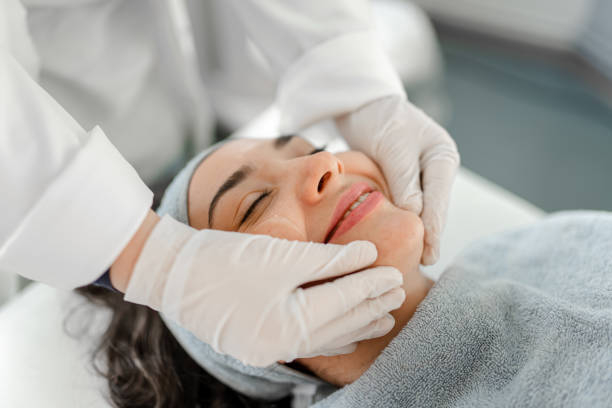
The Rise of Medical Beauty: How Innovation and Self-Care Are Changing Aesthetics

In recent years, the beauty industry has undergone a profound transformation. The traditional notion of beauty—often defined by flawless skin, youthful features, and ideal proportions—has expanded to embrace new technologies and techniques that allow individuals to enhance their appearance in more customized and effective ways. This evolution has given rise to medical beauty, a rapidly growing sector that merges medical science with cosmetic enhancement. From non-invasive treatments to cutting-edge skin therapies, medical beauty offers individuals the chance to improve their appearance in ways that were once reserved for the elite or required invasive procedures.

But what exactly does medical beauty entail, and how has it reshaped the beauty landscape? In this article, we will explore the world of medical beauty, its key treatments, the benefits it provides, and why it’s becoming such a popular choice for self-care in the modern age.

What Is Medical Beauty?

Medical beauty, often referred to as aesthetic medicine, encompasses a wide range of minimally invasive and non-surgical procedures that focus on enhancing a person’s physical appearance. These treatments can address various concerns such as wrinkles, skin texture, pigmentation, body contours, and even hair loss. Unlike traditional beauty treatments (like facials or makeup), medical beauty involves more specialized, scientifically-backed procedures often administered by licensed professionals, such as dermatologists, cosmetic surgeons, or trained medical aestheticians.

The hallmark of medical beauty is that it combines medical knowledge with cosmetic enhancements, ensuring that treatments are both effective and safe. With the rise of non-invasive options, more people are turning to medical beauty to achieve aesthetic goals without the need for traditional surgeries like facelifts or liposuction.

Why Medical Beauty Is Gaining Popularity

Medical beauty treatments have skyrocketed in popularity for several reasons. These factors have made them a desirable option for individuals seeking to enhance their appearance:

1. Non-Surgical Alternatives to Cosmetic Surgery

In contrast to traditional surgical procedures, medical 水光針效果 offers minimally invasive or non-invasive alternatives that come with fewer risks, reduced recovery times, and lower costs. For example, Botox, dermal fillers, and laser treatments offer clients noticeable results without the need for general anesthesia, incisions, or long recovery periods. The appeal of these less invasive options is clear: they offer a way to look younger, fresher, or more sculpted without the commitment of surgery.

2. Personalization and Customization

One of the greatest advantages of medical beauty is its highly personalized nature. Unlike one-size-fits-all beauty treatments, medical beauty procedures are tailored to the specific needs of each client. A dermatologist or medical professional will assess the individual’s skin type, concerns, and goals before recommending a personalized treatment plan. Whether it's Botox for wrinkle reduction, laser treatments for pigmentation, or fillers for volume restoration, medical beauty focuses on delivering results that align with each person's unique features.

3. Quick and Convenient Results

Time is precious, and many individuals today are looking for treatments that fit into their busy lifestyles. Most medical beauty procedures are quick—often requiring little to no downtime. For instance, Botox and dermal fillers can be administered in under an hour, allowing clients to go back to their daily routines immediately. Similarly, laser treatments and chemical peels can show results in a short amount of time with minimal recovery, making them ideal for people with hectic schedules.

4. Long-Lasting Effects

Many non-surgical procedures offer results that last from several months to over a year, depending on the treatment. Botox can last around 3 to 6 months, while dermal fillers can provide youthful volume for up to 18 months. Additionally, treatments like CoolSculpting can lead to permanent fat reduction, providing a long-term solution for body contouring. With such long-lasting effects, clients are often able to achieve desired results with fewer follow-up treatments, making medical beauty both cost-effective and time-efficient.

Popular Medical Beauty Treatments

The field of medical beauty is vast, with a wide range of treatments designed to address different cosmetic concerns. Below are some of the most popular treatments that have helped redefine the beauty industry:

1. Botox and Neurotoxins

Botox is one of the most famous and widely used injectable treatments in the medical beauty industry. It works by temporarily paralyzing the muscles that cause wrinkles, resulting in smoother, more youthful skin. Botox is commonly used to treat fine lines around the eyes (crow’s feet), forehead lines, and between the eyebrows (frown lines). Other neurotoxins like Dysport and Xeomin offer similar results.

2. Dermal Fillers

Dermal fillers are injectable substances used to restore volume and smooth out wrinkles. As we age, we lose fat and collagen in areas of the face, leading to sagging or hollowing of the skin. Dermal fillers can help reverse these effects by adding volume to the cheeks, lips, and under-eye areas, as well as smoothing out lines around the mouth and nose. Popular fillers include hyaluronic acid-based products like Juvederm and Restylane, which offer natural-looking, long-lasting results.

3. Laser Treatments

Lasers have revolutionized the way we treat skin imperfections. Various types of laser treatments can target specific skin concerns:

  • Fractional Laser Resurfacing: Used to treat skin texture issues, fine lines, and acne scars, fractional lasers stimulate collagen production and encourage skin renewal.
  • Laser Hair Removal: A highly effective way to permanently reduce unwanted hair, laser hair removal uses intense light to target and destroy hair follicles, preventing future growth.
  • Pigmentation Treatments: Lasers can also treat uneven skin tone, age spots, and hyperpigmentation by targeting the melanin in the skin, resulting in a clearer, more uniform complexion.

4. Chemical Peels

Chemical peels are designed to exfoliate the skin by removing the outermost layers of dead skin cells, encouraging the regeneration of healthier skin. This treatment can be used to treat a range of issues such as acne, hyperpigmentation, fine lines, and dull skin. Depending on the strength of the peel, it can range from superficial (for mild skin concerns) to deep (for more severe issues like scarring).

5. Microneedling

Microneedling, also known as collagen induction therapy, uses tiny needles to create controlled micro-injuries in the skin, stimulating collagen and elastin production. It is often used to improve the appearance of acne scars, stretch marks, and fine lines. Microneedling can also enhance the absorption of skincare products, allowing for better results when used alongside topical treatments.

6. Non-Surgical Fat Reduction

Non-invasive fat reduction treatments like CoolSculpting and SculpSure target localized fat deposits by using cooling or heat to break down fat cells. Over time, the body naturally eliminates these fat cells, leading to a slimmer, more contoured physique. These treatments are ideal for individuals who are close to their goal weight but struggle with stubborn areas of fat.

The Benefits of Medical Beauty

Beyond the immediate cosmetic improvements, medical beauty treatments offer several other advantages:

  • Minimal Risk: As these procedures are non-invasive or minimally invasive, the risk of complications is lower than that associated with traditional cosmetic surgery.
  • Natural Results: Skilled practitioners focus on enhancing natural features rather than altering them, allowing clients to look refreshed and youthful without the “overdone” appearance.
  • Boost in Confidence: Many individuals seek medical beauty treatments not just for aesthetic reasons but for the emotional boost they provide. The improvements in appearance can significantly enhance self-esteem and overall well-being.

The Future of Medical Beauty

The future of medical beauty is poised for even greater innovation, thanks to advances in technology, biotechnology, and personalized medicine. With the increasing demand for non-surgical treatments, the industry is likely to continue evolving toward more effective and accessible options. For example, AI-driven tools could soon be used to create highly personalized treatment plans, while new technologies may enable even faster, more precise results with fewer side effects.

Conclusion

Medical beauty has revolutionized how we approach self-care and aesthetic enhancement. Offering a wide range of non-invasive and minimally invasive treatments, it provides individuals with effective, safe, and long-lasting solutions to enhance their natural beauty. Whether you're looking to smooth wrinkles, sculpt your body, or rejuvenate your skin, the world of medical beauty offers countless options to help you achieve your aesthetic goals. With its growing popularity, medical beauty is poised to remain at the forefront of the beauty industry for years to come, enabling people to feel confident and empowered in their skin.

Leave a Reply

Your email address will not be published. Required fields are marked *

Related Post

How Urgent Care Coppell Treats Minor Injuries Clinic CasesHow Urgent Care Coppell Treats Minor Injuries Clinic Cases

APPS and doctors talk in the hallway

H2: Understanding Minor Injuries in Daily Life

Minor injuries can happen anywhere, whether at home, work, or during travel, and they often require quick attention to avoid complications. In many situations, people search for Urgent Care Coppell because it provides immediate support for non-life-threatening conditions such as cuts, sprains, bruises, and small fractures. These injuries may not require emergency surgery, but they still need proper medical evaluation to ensure correct healing. A well-structured minor injuries clinic helps patients receive timely care without long waiting times, making it easier to manage sudden health issues efficiently.

H2: Role of Urgent Care Facilities in Coppell

A Urgent Care Coppell center plays an important role in handling unexpected medical issues that do not require hospital admission. These facilities are designed to provide fast treatment for minor injuries, allowing patients to receive care without the delay often associated with large hospitals. When someone visits for Urgent Care Coppell TX services, they are typically treated for conditions like small wounds, muscle strains, and minor burns. The goal is to stabilize the injury, reduce discomfort, and prevent infection so the patient can recover comfortably at home.

H2: Immediate Response for Minor Injuries

One of the key strengths of urgent care services is their ability to provide immediate attention to injuries that happen suddenly. In many cases, people prefer Urgent Care Coppell TX because it allows them to walk in without an appointment and still receive professional medical attention. This is especially useful for individuals dealing with cuts that may require stitches or sprains that need proper bandaging. A quick response helps reduce complications and supports faster healing, making urgent care an essential part of community health services.

H2: Common Cases Treated in Minor Injury Clinics

A minor injuries clinic usually handles a wide range of conditions that are not life-threatening but still require medical care. These include sprains, minor fractures, bruises, small cuts, and mild burns. Many patients also visit for muscle strains caused by physical activity or accidental injuries. Urgent Care Coppell facilities are well-equipped to manage these cases with proper diagnostic tools and treatment procedures. The focus is always on stabilizing the condition and ensuring that patients receive the right care based on their injury type.

H2: Importance of Timely Treatment

Timely treatment is crucial when dealing with minor injuries, as delaying care can sometimes lead to complications. A visit to Urgent Care Coppell helps ensure that even small injuries are properly evaluated by medical professionals. Early treatment reduces the risk of infection, swelling, or worsening pain. In many cases, patients are advised on aftercare practices that support healing at home. This includes rest, medication, and proper wound care instructions to avoid further issues.

H2: Diagnostic Support in Urgent Care Settings

Urgent care centers often provide basic diagnostic support to assess the severity of injuries. When patients visit for Urgent Care Coppell TX services, they may undergo physical examinations, imaging tests, or wound assessments depending on their condition. These diagnostic tools help healthcare providers determine the best course of treatment. Whether it is a suspected fracture or a deep cut, accurate diagnosis ensures that the injury is managed effectively and safely.

H2: Treatment Approach for Minor Injuries

The treatment approach in a minor injuries clinic is focused on quick relief and effective recovery. Patients visiting Urgent Care Coppell are typically treated with wound cleaning, bandaging, stitches, or splinting depending on the injury. Pain management is also an important part of the treatment process. The goal is to reduce discomfort while ensuring proper healing. Medical professionals also guide patients on how to care for their injury after leaving the clinic.

H2: Patient Care and Comfort

Patient comfort is a priority in urgent care settings, especially when dealing with unexpected injuries. Facilities offering Urgent Care Coppell TX services aim to provide a calm and supportive environment so patients feel reassured during treatment. Medical staff focus on explaining procedures clearly and ensuring that patients understand their recovery process. This helps reduce anxiety and improves overall satisfaction with the care provided.

H2: Recovery Guidance and Follow-Up

After initial treatment, patients are often given detailed recovery instructions to support healing. A visit to Urgent Care Coppell usually includes guidance on rest, medication usage, and signs of complications to watch for. In some cases, follow-up visits may be recommended to ensure proper recovery. This structured approach helps patients return to their normal activities safely while minimizing the risk of further injury.

H2: Conclusion on Minor Injury Care in Coppell

Minor injuries may seem simple, but they require proper medical attention to ensure complete healing. Facilities like Urgent Care Coppell TX and minor injuries clinic services play an important role in providing quick and effective care. By focusing on immediate treatment, accurate diagnosis, and proper recovery guidance, these centers help patients manage injuries efficiently. Whether it is a small cut or a sprain, timely care ensures better health outcomes and faster recovery for individuals in the community.

The Time To Come Of Peach Treatments: Trends To Catch In 2025The Time To Come Of Peach Treatments: Trends To Catch In 2025


As we approach 2025, the lulu manufacture is equanimous for subversive changes motivated by branch of knowledge advancements, sustainability, and an flaring for personal care. One of the most exciting trends on the purview is the rise of AI-powered BEAUTY TREATMENTS, where celluloid tidings will be used to psychoanalyze an mortal s skin, genetic science, and lifestyle to supply extremely plain skin care regimens and treatments. This hyper-personalization ensures that BEAUTY TREATMENTS are more operational, targeted, and suited to each individual s unique needs.

Additionally, bioengineering is expected to play a key role in reshaping the futurity of dish. Stem cell treatments, gene therapies, and lab-grown skincare ingredients will become more rife, offering solutions for anti-aging, skin re-formation, and even hair restoration. These treatments anticipat to go beyond rise-level changes, focussing on long-term skin health and living thing resort.

Another John Roy Major veer is the integrating of health with stunner. In 2025, consumers will more and more seek treatments that unite both unhealthy and physical well-being, recognizing that true sweetheart radiates from within. Expect to see more holistic looker solutions, from heedfulness-based skincare rituals to tattoo removal in dubai S that incorporate aromatherapy, try-relief techniques, and nutritionary supplements.

Sustainability will also be at the cutting edge of smasher conception. As the demand for eco-conscious products and practices grows, brands and clinics will sharpen on property sourcing of ingredients, publicity, and even vitality-efficient . Beauty treatments will also see a transfer toward non-invasive, nominal-downtime procedures. Treatments like laser facelifts, radiofrequency skin tightening, and microneedling are gaining popularity due to their ability to lasting results with less recovery time, offering an magnetic option to orthodox surgeries.

Finally, virtual dish consultations and increased reality(AR) will become more banality. With the help of AR, clients will be able to”try on” treatments, research skincare options, and even simulate their post-treatment results before qualification decisions. Virtual consultations will bridge the gap between high-demand looker experts and clients, offering convenience and availability.

The mantrap landscape of 2025 promises a fusion of applied science, sustainability, and wellness, creating a more accessible, personal, and transformative see for consumers intercontinental.

Ophthalmology: A Comprehensive Look at the Science of SightOphthalmology: A Comprehensive Look at the Science of Sight

Ophthalmology is the branch of medicine dedicated to the study, diagnosis, and treatment of eye conditions. As the human eye is responsible for one of the most vital senses—sight—ensuring its health is integral to overall well-being. Ophthalmologists, medical doctors who specialize in the eyes, are not only skilled in diagnosing and treating common eye conditions but also in performing surgeries to address more serious disorders. With an expanding range of treatments, cutting-edge technology, and groundbreaking research, ophthalmology is pivotal in preserving and restoring vision.

This article explores the breadth of ophthalmology, the most prevalent eye conditions, treatment options, and emerging innovations shaping the future of eye care.

The Importance of Ophthalmology

Ophthalmology addresses a wide array of issues relating to the eye, from routine vision checks and the correction of refractive errors (like nearsightedness or farsightedness) to managing more complex diseases that threaten vision, such as glaucoma, cataracts, and retinal diseases. Eyes are incredibly intricate organs, and when something goes wrong, it can significantly affect a person's quality of life. Whether due to age, genetics, injury, or disease, the loss of vision can be devastating. That's why ophthalmology is not only about restoring sight but also about ensuring that patients can continue to lead independent, fulfilling lives.

Ophthalmologists receive extensive training to become experts in the diagnosis and treatment of eye diseases. Their work encompasses both medical and surgical solutions, which sets ophthalmology apart from other fields like optometry or opticianry, which focus on vision correction.

Common Eye Conditions in 微笑矯視價錢

While the eye is a complex organ, several eye conditions are more common than others. Here are some of the leading diseases and disorders that ophthalmologists frequently manage:

1. Cataracts

Cataracts are the clouding of the lens inside the eye, leading to blurry vision. They are most common in older adults but can also result from trauma, certain medications, or genetic factors. Cataracts can cause a gradual decline in vision, but the treatment is straightforward: cataract surgery. During this procedure, the cloudy lens is removed and replaced with an artificial intraocular lens (IOL), which is an incredibly effective treatment.

2. Glaucoma

Glaucoma is a group of eye conditions that damage the optic nerve, often as a result of elevated intraocular pressure. If left untreated, glaucoma can lead to permanent vision loss and even blindness. Glaucoma typically develops slowly and painlessly, making it difficult to detect without regular eye exams. Treatment often involves medications, laser therapy, or surgery to lower intraocular pressure and prevent further damage to the optic nerve.

3. Age-Related Macular Degeneration (AMD)

AMD is a leading cause of vision loss in older adults, particularly those over the age of 50. It affects the macula, the part of the retina responsible for central vision. AMD has two types: dry and wet. Dry AMD progresses gradually and cannot be treated, while wet AMD can lead to rapid vision loss and requires more aggressive treatments, including injections into the eye to slow the growth of abnormal blood vessels. Early detection through regular eye exams is key to managing AMD and preserving vision.

4. Diabetic Retinopathy

Diabetic retinopathy is a complication of diabetes that affects the blood vessels in the retina. High blood sugar levels can lead to damage to these blood vessels, causing leakage or swelling and ultimately affecting vision. This condition is one of the leading causes of blindness among working-age adults. Regular eye screenings for people with diabetes are critical to detecting early signs of diabetic retinopathy. Laser treatment, anti-VEGF injections, and sometimes surgery are used to treat the disease and prevent progression.

5. Refractive Errors

Refractive errors are the most common vision problems and occur when the eye does not bend light properly. They include conditions like:

  • Myopia (Nearsightedness): Objects up close are clear, while distant objects appear blurry.
  • Hyperopia (Farsightedness): Objects at a distance are clear, while close-up objects appear blurry.
  • Astigmatism: Irregular shape of the cornea or lens causes blurry or distorted vision.

These conditions can typically be treated with corrective lenses, such as glasses or contact lenses. For more permanent correction, refractive surgeries like LASIK can be performed to reshape the cornea and improve focus.

6. Dry Eye Syndrome

Dry eye syndrome occurs when the eyes don't produce enough tears, or the tears evaporate too quickly, leading to irritation, discomfort, and blurred vision. It is often more prevalent in older adults and those who spend long hours in front of computers. Treatment typically includes artificial tears, medications, lifestyle changes, or procedures to increase tear production or reduce tear drainage.

The Role of Technology in Modern Ophthalmology

In recent years, advancements in technology have revolutionized the way ophthalmologists diagnose and treat eye conditions. From improved diagnostic tools to innovative treatment options, technology has greatly expanded the capabilities of eye care. Here are some key technological advances in ophthalmology:

1. Optical Coherence Tomography (OCT)

OCT is a non-invasive imaging technique that allows ophthalmologists to view detailed cross-sectional images of the retina and optic nerve. It is commonly used to diagnose and monitor conditions like macular degeneration, diabetic retinopathy, and glaucoma. OCT provides high-resolution imaging that helps detect eye diseases early, often before symptoms are noticeable, allowing for timely intervention.

2. Femtosecond Laser Technology

Femtosecond lasers are used in various ophthalmic surgeries, including cataract surgery and LASIK. These lasers offer precision and control, allowing surgeons to create exact incisions and perform delicate procedures more effectively. The accuracy of femtosecond lasers also contributes to faster recovery times and reduced risk of complications.

3. Artificial Intelligence (AI) in Diagnosis

AI is increasingly used to enhance diagnostics in ophthalmology. Machine learning algorithms are being developed to analyze retinal images and identify early signs of conditions like diabetic retinopathy, macular degeneration, and glaucoma. AI can process large amounts of data quickly, making it a valuable tool for early detection and better management of eye diseases.

4. Robotic Surgery

Robotic surgery in ophthalmology has made significant strides, especially in retinal and cataract surgeries. Robotic systems offer enhanced precision and allow for more consistent and accurate outcomes. These systems also reduce human error and provide surgeons with real-time feedback, leading to better patient outcomes and quicker recovery times.

Preventive Care and the Future of Ophthalmology

Preventive care is crucial in ophthalmology. Regular eye exams can catch problems early, even before symptoms appear. For instance, many eye conditions like glaucoma and diabetic retinopathy can be managed effectively if detected early, preventing significant vision loss. Moreover, ophthalmologists are increasingly working with patients to promote eye health through lifestyle modifications, such as a diet rich in eye-healthy nutrients like vitamins C and E, omega-3 fatty acids, and zinc.

The future of ophthalmology is bright, with ongoing research into new treatments, surgical techniques, and technologies. One exciting development is gene therapy, which has the potential to treat inherited retinal diseases by replacing or repairing defective genes. Stem cell research also holds promise in regenerating damaged retinal cells and restoring sight in conditions that were once considered untreatable.

Moreover, advancements in wearable technologies, such as smart contact lenses and augmented reality, could transform how ophthalmologists manage and monitor eye diseases. These technologies have the potential to provide real-time data on a patient’s eye health and enable more personalized treatments.

Conclusion

Ophthalmology is an essential field of medicine that impacts millions of lives around the world. From treating common refractive errors to performing complex surgeries for retinal diseases and glaucoma, ophthalmologists are dedicated to improving vision and overall quality of life. As technology and research continue to advance, the future of ophthalmology looks promising, with new treatments, diagnostic tools, and innovations on the horizon. Whether through early detection, preventive care, or cutting-edge treatments, ophthalmology ensures that sight remains a gift to be cherished and protected for generations to come.

Der Tatsächliche Anstieg Mit Botox: Der Hauptgrund Warum Mehr Personen Sich Zuwendend Injektables Sich ZuwendenDer Tatsächliche Anstieg Mit Botox: Der Hauptgrund Warum Mehr Personen Sich Zuwendend Injektables Sich Zuwenden


Botox ist mittlerweile ein sehr bekannter Name und wird häufig mit der Verschönerung des Erscheinungsbildes assoziiert. Zunächst zur Behandlung von Muskelstörungen eingesetzt, ist Botox mittlerweile eine der gängigsten ästhetischen Therapien geworden. Die Anwendung von Botox beschränkt sich nicht nur auf ästhetische Behandlungen, sondern hat auch eine breite Palette medizinischer Vorteile.

Botox wird vor allem für die Behandlung von Falten eingesetzt. Botulinumtoxin blockiert durch Injektion die Muskeln, die Falten verursachen, wodurch die Haut sichtbar geglättet wird. Besonders effektiv ist Botox bei der Behandlung von Zornesfalten, Stirnfalten und Krähenfüßen. Patienten, die sich Botoxbehandlungen unterziehen, erleben oft eine sichtbare Verjüngung und ein verbessertes Selbstbewusstsein. Botoxbehandlungen sind schnell, verursachen wenig Ausfallzeiten und die Resultate sind oft schon nach wenigen Tagen erkennbar.

Neben kosmetischen Anwendungen gibt es auch eine Vielzahl von medizinischen Einsatzgebieten für Botox. In der medizinischen Praxis wird Botox bei verschiedenen Muskelspastiken und Störungen eingesetzt, etwa bei Schlaganfällen, Zerebralparese und übermäßigem Schwitzen (Hyperhidrose). Es reduziert die übermäßige Aktivität der Muskeln und kann Symptome von Muskelspasmen lindern. Botox wird außerdem zur Behandlung chronischer Migräne eingesetzt. Forschungen haben ergeben, dass Botox-Injektionen die Häufigkeit und Intensität von Migräneanfällen deutlich reduzieren können.

Ein wachsender Anwendungsbereich für Botox ist die Behandlung von Blasenproblemen und Harninkontinenz. Botox kann helfen, überaktive Blasen zu beruhigen und die Symptome einer Dranginkontinenz zu lindern, was zu einer verbesserten Lebensqualität führt. Auch bei Zähneknirschen (Bruxismus) wird Botox eingesetzt, um die übermäßige Aktivität der Kiefermuskulatur zu verringern.

Trotz der vielen Anwendungsmöglichkeiten gibt es bei Botox auch Risiken. Wie bei jeder Behandlung können auch bei Botox Nebenwirkungen auftreten, wie etwa Kopfschmerzen, Blutergüsse oder unregelmäßige Muskelbewegungen. Daher ist es entscheidend, dass Botox nur von erfahrenen Fachleuten verabreicht wird, um mögliche Komplikationen zu verhindern.

Die Entwicklung von Botox in der ästhetischen und medizinischen Behandlung verspricht eine spannende Zukunft. Es werden fortlaufend neue Einsatzmöglichkeiten für Botox erforscht, und es gibt bereits vielversprechende Ansätze zur Behandlung bisher schwer behandelbarer Erkrankungen. Die Weiterentwicklung der Technologie und der Anwendungsgebiete könnte Botox in den kommenden Jahren noch relevanter und vielseitiger machen.

Zusammenfassend lässt sich sagen, dass Fettabsaugung weit mehr ist als nur ein Mittel zur Faltenreduktion. Die zahlreichen Einsatzgebiete von Botox machen deutlich, wie bedeutend es sowohl in der ästhetischen Chirurgie als auch in der Medizin ist.

De Quelle Manière Les Pharmaciens En Ligne Modifient La Tous Nous Les Médicaments En LigneDe Quelle Manière Les Pharmaciens En Ligne Modifient La Tous Nous Les Médicaments En Ligne


L’émergence d’Internet a transformé de nombreux secteurs, et l’industrie pharmaceutique ne fait pas exception. Les pharmacies en ligne représentent une avancée majeure dans l’accès aux médicaments, permettant aux consommateurs d’acheter des produits pharmaceutiques depuis le confort de leur domicile. Ce modèle d’achat offre non seulement la possibilité de recevoir des médicaments directement à la porte, mais aussi des avantages en termes de prix, de discrétion et de commodité. De plus, les pharmacies en ligne se sont rapidement adaptées aux besoins de la société moderne, où les consommateurs recherchent de plus en plus des solutions pratiques et rapides pour leurs problèmes de santé.

Les pharmacies en ligne ont fleurit comme une solution moderne aux pharmacies traditionnelles, offrant des services de vente de médicaments sans prescription, ainsi que des produits de santé et de bien-être. Dans de nombreux pays, y compris en France, elles sont réglementées par des autorités de santé publique pour garantir la sécurité et la qualité des médicaments vendus. Toutefois, cette réglementation varie d’un pays à l’autre, ce qui peut poser des défis en termes de surveillance de la qualité des produits distribués. En France, par exemple, l’Agence Nationale de Sécurité du Médicament (ANSM) veille à ce que les pharmacies en ligne respectent les normes strictes de distribution de médicaments et assure la protection des consommateurs contre les risques liés à l’achat de médicaments en ligne.

Un des grands avantages des pharmacies en ligne réside dans la commodité d’accès aux médicaments. Que ce soit pour des médicaments courants, des prescriptions régulières ou des produits de santé, les consommateurs peuvent commander leurs produits en quelques clics, sans avoir à se déplacer. Cela est particulièrement utile pour les personnes âgées, les personnes handicapées ou celles vivant dans des régions éloignées où l’accès aux pharmacies physiques peut être limité. Les pharmacies en ligne offrent également des informations détaillées sur les médicaments, ce qui permet aux utilisateurs de prendre des décisions éclairées concernant leur traitement, tout en profitant de services de conseil en ligne.

De plus, les prix des médicaments en ligne sont souvent plus compétitifs que dans les pharmacies traditionnelles. En éliminant les frais généraux liés à l’exploitation d’un établissement physique, les Tension artérielle en ligne peuvent proposer des prix plus bas, ce qui représente un avantage économique significatif pour les consommateurs. Cette compétitivité des prix est également renforcée par la possibilité de comparer facilement les offres de différentes pharmacies en ligne, offrant ainsi aux consommateurs une plus grande transparence.

Cependant, malgré ces avantages, l’achat de médicaments en ligne comporte certains risques. L’un des plus grands dangers est l’achat de médicaments contrefaits ou de qualité inférieure. Il est donc crucial de s’assurer que la pharmacie en ligne choisie est autorisée et régulée par les autorités sanitaires. De plus, l’absence de consultation directe avec un professionnel de la santé peut entraîner des erreurs de médication, en particulier lorsqu’il s’agit de traitements spécifiques ou de médicaments soumis à prescription. Il est donc conseillé de consulter un médecin avant d’acheter des médicaments en ligne, surtout pour les personnes ayant des antécédents médicaux complexes.