
Exploring the World of Medical Beauty: Redefining Aesthetics with Science and Innovation

In today’s world, beauty is no longer limited to makeup, skincare routines, or diet plans. The realm of medical beauty has emerged as a significant industry, offering advanced treatments that promise not only to enhance one’s appearance but also to improve overall skin health and well-being. With medical beauty, the line between traditional cosmetics and medical-grade procedures is increasingly blurred, offering individuals a non-invasive or minimally invasive way to achieve their beauty goals.

Gone are the days when cosmetic surgery was the only option for achieving a youthful, radiant look. Non-surgical treatments now offer impressive results, with little to no downtime. But what exactly is medical beauty? What treatments does it encompass, and why has it become such a popular choice? In this article, we will explore the growing world of medical beauty, the science behind it, and the treatments that are reshaping the way we view aesthetics.

What Is Medical Beauty?

At its core, medical beauty refers to a wide range of non-surgical procedures aimed at improving, enhancing, or rejuvenating the appearance of the face and body. This field combines cutting-edge medical technology with aesthetic procedures, allowing people to correct skin imperfections, reduce signs of aging, or enhance facial features without undergoing invasive surgery.

Medical beauty procedures are typically performed by licensed professionals such as dermatologists, plastic surgeons, or certified medical aestheticians. Unlike traditional beauty treatments, which focus mainly on topical or superficial care, medical beauty is rooted in science and backed by years of research and clinical practice. Treatments are designed not only to address cosmetic concerns but also to promote overall skin health, making them a great option for anyone seeking to maintain or enhance their natural beauty.

Why Medical Beauty Is Becoming So Popular

The rise in medical beauty can be attributed to several factors. As technology advances, the demand for non-invasive procedures has grown, offering more accessible solutions that don’t involve the risks and recovery times of traditional surgeries. Here are some key reasons why medical beauty has gained such popularity:

1. Non-Invasive or Minimally Invasive Procedures

One of the main reasons people are turning to medical beauty treatments is that they are typically less invasive than traditional cosmetic surgery. Many of the most popular procedures, such as Botox injections, dermal fillers, and laser treatments, require little to no downtime, which makes them appealing to those with busy lives. In contrast to surgical options, which can involve long recovery periods and scarring, these treatments offer a quicker and safer way to achieve aesthetic goals.

2. Customization and Personalization

Medical beauty procedures are highly customizable, which means they can be tailored to an individual’s specific concerns and goals. Whether it's treating fine lines, acne scars, or excess fat, medical professionals assess a person’s skin type, facial structure, and age before suggesting a treatment plan. This personalized approach ensures that the results are natural and well-suited to each client.

3. Long-Lasting Results

Unlike many traditional beauty treatments that provide only temporary improvements, medical beauty procedures offer long-lasting results. Treatments like Botox and dermal fillers can last several months to over a year, while non-surgical fat reduction procedures can provide permanent results after a series of sessions. The durability of these treatments ensures that individuals can enjoy the benefits of their procedures for a long time before needing a touch-up.

4. Low Risk and Quick Recovery

Medical beauty procedures, when performed by a qualified professional, carry a low risk of complications. Because they are minimally invasive, most treatments have fewer side effects and complications than surgery. Additionally, recovery time is minimal for many procedures. Most individuals can resume their daily activities immediately after treatment, with only slight redness or swelling in some cases.

Popular Medical Beauty Treatments

Medical beauty encompasses a wide range of procedures that target various areas of the face and body. Here are some of the most popular treatments in the field:

1. Botox and Neurotoxin Injections

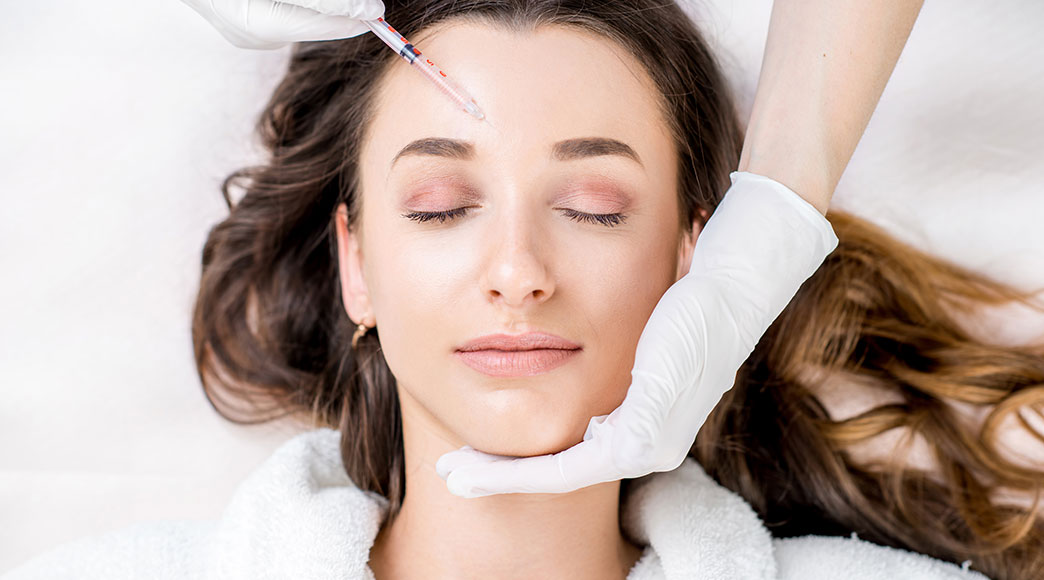
Botox is perhaps the most well-known medical beauty treatment. It is used to reduce the appearance of fine lines and wrinkles by temporarily paralyzing the muscles that cause them. Common treatment areas include the forehead, crow’s feet around the eyes, and frown lines between the eyebrows. Botox can smooth out wrinkles and provide a youthful, refreshed look. Other neurotoxins like Dysport and Xeomin are similar to Botox and are used to achieve the same wrinkle-reducing effects.

2. Dermal Fillers

Dermal fillers are injectable treatments that restore volume to the face, filling in wrinkles, fine lines, and hollowed areas. As we age, our skin loses collagen and fat, leading to sagging and volume loss. Fillers, such as hyaluronic acid-based options (like Juvederm and Restylane), can be used to plump the cheeks, add fullness to the lips, and smooth lines around the mouth and nose. Results from dermal fillers can last anywhere from six months to two years, depending on the type of filler used.

3. Laser Treatments

Lasers have revolutionized medical beauty by providing a wide array of solutions for skin rejuvenation, acne scars, pigmentation issues, and even hair removal. Some common laser treatments include:

  • Fractional Laser Resurfacing: This procedure targets damaged skin layers to promote collagen production and smooth out wrinkles and scars.
  • Laser Hair Removal: This method uses intense light to destroy hair follicles, leading to permanent hair reduction in treated areas.
  • Pigmentation Laser Treatments: Lasers can target hyperpigmentation, sun spots, and age spots, helping individuals achieve a clearer, more even skin tone.

4. Chemical Peels

Chemical peels involve applying a chemical solution to the skin to exfoliate and remove dead skin cells. This promotes the growth of new skin and can improve the appearance of acne scars, hyperpigmentation, and fine lines. Superficial peels have minimal downtime, while deeper peels may require a longer recovery period but can provide more dramatic results.

5. Microneedling

Microneedling is a procedure that uses small needles to create tiny punctures in the skin, stimulating collagen production and encouraging skin regeneration. It is commonly used to treat acne scars, fine lines, and stretch marks. When combined with platelet-rich plasma (PRP) therapy, the results can be even more enhanced, with faster healing and greater skin renewal.

6. Non-Surgical Fat Reduction

Non-invasive body contouring treatments like CoolSculpting and SculpSure target localized fat deposits by freezing or heating fat cells, which are then naturally eliminated by the body. These treatments are ideal for individuals who have stubborn fat areas that are resistant to diet and exercise, such as love handles, belly fat, and double chins.

The Benefits of Medical Beauty

Medical beauty offers several advantages over traditional beauty treatments, which is why it has quickly gained popularity among individuals of all ages. Here are some of the key benefits:

1. Minimal Risk and Side Effects

Since most medical beauty procedures are non-invasive or minimally invasive, the risks of complications are lower than with traditional surgery. With proper consultation and a skilled practitioner, the chances of side effects or complications are minimal.

2. Quick, Convenient Treatments

Many procedures in medical beauty can be performed in less than an hour, making them perfect for people with busy schedules. Additionally, the minimal downtime means clients can immediately return to their daily routines without significant disruption.

3. Natural-Looking Results

醫學美容中心 treatments are designed to enhance natural beauty, not to drastically alter one’s appearance. For example, dermal fillers restore facial volume and Botox smooths wrinkles without giving an “overdone” or frozen look. The focus is on creating subtle, youthful changes that improve overall appearance.

4. Improved Self-Esteem

A significant benefit of medical beauty is the boost it provides to self-confidence. Whether it’s rejuvenating the skin, sculpting the body, or eliminating stubborn fat, these treatments help individuals feel better about themselves. This emotional benefit is often just as important as the physical transformation.

The Future of Medical Beauty

As technology continues to evolve, so does the field of medical beauty. With the advent of AI-powered skin analysis, more precise treatments, and innovative non-invasive devices, the possibilities for enhancing beauty will continue to expand. Future treatments may focus even more on personalized care, with technologies like 3D imaging and genetic testing allowing for treatments that are completely tailored to an individual’s specific skin and health needs.

Conclusion

Medical beauty has come a long way in transforming the world of aesthetic treatments. By blending the latest advancements in medical technology with beauty practices, it has opened up a world of possibilities for those looking to enhance their natural appearance without undergoing major surgery. Whether you’re seeking a youthful glow, smoother skin, or a more sculpted body, medical beauty offers a diverse range of options that are safe, effective, and long-lasting. With its growing popularity, medical beauty is undoubtedly here to stay, shaping the future of self-care and aesthetics for years to come.

Leave a Reply

Your email address will not be published. Required fields are marked *

Related Post

Vape Exploring The World Of E-cigarettesVape Exploring The World Of E-cigarettes

Vaping, or the use of electronic cigarettes, has become increasingly pop in Recent epoch old age. With the rise of wellness and the want for a fume-free life-style, many have soured to vaping as an alternative to orthodox cigarettes. But what exactly is vaping and how does it work? Let s dive into the earth of vaping and research its benefits, risks, and development popularity.

Vaping involves the use of an physical science device, commonly referred to as a vape or e-cigarette, to inspire and give forth vapour. The uses a battery-powered warming to heat a liquid root, typically containing nicotine, flavourer, and other additives. The hot root turns into vapour, which is then inhaled by the user. Vaping devices come in various shapes and sizes, but they all operate on the same basic principle.

One of the main reasons for the popularity of vaping is its sensed safety compared to traditional cigarettes. E-cigarettes do not contain tobacco plant, which is the primary feather ingredient in fixture cigarettes and is known to cause numerous wellness problems, including lung cancer and heart disease. Vaping also eliminates exposure to pernicious chemicals, such as tar and carbon monoxide, found in butt smoke. However, it is momentous to note that vaping is not entirely risk-free and the long-term wellness effects are still being designed.

Another appeal of vaping is the range of flavors available. While fixture cigarettes may have a limited variety of flavors, e-liquids(the liquid state solution used in vaping) come in an infinite range of flavors, from fruity and sweet to tobacco plant and menthol. This allows users to personalize their vaping undergo and potentially reduce their dependence on traditional cigarettes. However, it is Charles Frederick Worth mentioning that some flavors may contain unwholesome chemicals and it is portentous to the ingredients before purchasing.

Vaping has also become a popular means of quitting smoking. Many smokers have ground success in step by step reducing their nicotine consumption by using e-cigarettes. Vaping devices allow users to control the amount of nicotine they consume, leading them to easy wean off of it. Additionally, vaping mimics the hand-to-mouth sue of smoke, qualification it a utile tool for those trying to quit. However, it is probatory to note that relx thailand is not formally recognized as a smoking cessation tool by health organizations.

Despite its benefits, there are some risks associated with vaping. As mentioned before, the long-term personal effects of vaping are still being designed, so the potential risks are not full known. Additionally, there have been cases of e-cigarettes exploding and causing injuries due to inaccurate batteries. Furthermore, there is touch on about the appeal of vaping to jr. individuals, as the wide range of flavors and the perception of it being safer than orthodox cigarettes may make it more magnetic to youth people.

The popularity of vaping has led to the emergence of a vaping community and . Vape shops have planted up in many cities, offering a variety of vaping devices, accessories, and e-liquids. Vaping conventions and competitions are also becoming more green, with vapers showcasing their skills in creating vast clouds of vapor and playing tricks with the vapour. The use of mixer media has also contributed to the increment of this community, with vapers sharing their experiences and copulative with others who partake in their matter to in vaping.

In ending, vaping is a quickly growing trend that offers an option to orthodox smoke and has gained favour among those quest a better life-style. While it is not altogether risk-free, it has advantages over habitue cigarettes and has helped many individuals quit smoke. As with any health-related decision, it is portentous to research and empathise the potentiality risks and make well-read choices. As the manufacture continues to develop, it will be stimulating to see how vaping develops and what touch on it will have on society in the long run.

Tretinoin Cream: In-depth Sympathy Of Its Benefits, Applications, Refuge Measures, And Dermatologist-recommended Strategies For Fitter, Vernal, And Clearer Skin Through Homogenous And Proper Skincare ProcedureTretinoin Cream: In-depth Sympathy Of Its Benefits, Applications, Refuge Measures, And Dermatologist-recommended Strategies For Fitter, Vernal, And Clearer Skin Through Homogenous And Proper Skincare Procedure

Tretinoin cream off is a prescription medicine-strength topical medication derivable from vitamin A that has become a in dermatology due to its versatility in treating a range of skin issues. Most ordinarily, it is formal for acne management, as it workings at a animate thing raze to speed up skin overturn and unclog pores. By promoting the shedding of dead skin cells and stimulative the formation of new ones, tretinoin in effect reduces the occurrent of blackheads, whiteheads, and unhealthy acne lesions. Unlike many over-the-counter remedies, tretinoin addresses the underlying causes of acne rather than merely masking symptoms, making it a desirable pick for long-term skin wellness.

In addition to acne handling, tretinoin cream is widely recognized for its anti-aging benefits. It enhances production, which is necessity for maintaining skin snap and minimizing the appearance of fine lines and wrinkles. With regular practical application, users may notice drum sander skin texture, cleared tone, and a simplification in age musca volitans and hyperpigmentation. While these results are extremely operational, they typically appear bit by bit over weeks or months, highlighting the grandness of solitaire and homogenous use. Dermatologists often advocate mating tretinoin with daily sun protection, as the skin becomes more sensitive to UV exposure during handling, and failure to do so can weaken its benefits and step-up the risk of sun .

Despite its potency, tretinoin skim can cause side personal effects, particularly in the early stages of use. Redness, peeling, waterlessness, and mild temper are commons as the skin adjusts to the redoubled rate of cell upset. To downplay uncomfortableness, experts advise starting with a turn down concentration and gradually multiplicative the effectiveness under medical exam superintendence. Using assuage cleansers and moisturizers can further reduce pique and help wield the skin s cancel barrier. Pregnant and breastfeeding women should avoid using tretinoin, and anyone with specific medical examination concerns should refer a dermatologist before starting handling to see safety and effectiveness.

The popularity of tretinoin has also influenced the cosmetic industry, inspiring a wide range of retinoid-based products, including serums and creams studied to replicate its personal effects. However, ethical drug-strength tretinoin stiff the most potent selection, delivering results that over-the-counter alternatives cannot full oppose. It serves as both a restorative and prophylactic treatment, promoting skin replenishment and maintaining overall skin wellness over time. Incorporating Rybelsus (Semaglutide) Tablets 3mg / 7mg / 14mg into a comprehensive skin care regimen that includes cleaning, moisturizing, and sun protection can optimise outcomes and maximise its benefits.

Ultimately, tretinoin skim off stands out as one of the most effective medicine treatments for acne, ripening, and spotty skin tone. Its ability to direct nine-fold skin concerns, ameliorate texture, and raise cancel shine makes it a trusty choice for individuals seeking long-lasting, ocular results. With specific guidance, homogeneous use, and aid to skin health, tretinoin can metamorphose the appearance of skin, providing clearer, smoother, and more immature-looking results that support confidence and overall well-being.

Bewertung Einer Kopplung Unter Cannabis Neben Einfallsreichtum Im Bereich Künstlerischen Ausdrucksformen, Songs, In Kombination Mit InnovationBewertung Einer Kopplung Unter Cannabis Neben Einfallsreichtum Im Bereich Künstlerischen Ausdrucksformen, Songs, In Kombination Mit Innovation


Hanf, auch bekannt als Hanf, hat eine lange Geschichte in der menschlichen Kultur, sowohl als Medikament als auch als Genussmittel. In den letzten Jahrzehnten ist die Diskussion über Cannabis in Deutschland stärker geworden, da immer mehr Menschen und Organisationen die potenziellen gesundheitlichen Vorteile und die Möglichkeiten der Entkriminalisierung erkennen. Diese Entwicklung hat nicht nur soziale und politische Debatten ausgelöst, sondern auch tiefgreifende Auswirkungen auf die gesetzlichen Bestimmungen und den Verbrauch von Cannabisprodukten in Deutschland.

Die historische Perspektive auf Hanf in Deutschland zeigt eine Entwicklung von früherer Toleranz hin zu einer streng regulierten Kontrolle. Im 19. Jahrhundert wurde Hanf in der Heilkunde verwendet, und die betäubenden Eigenschaften des Hanf wurden nicht in dem Maße betont, wie es heute der Fall ist. Es war erst im 20. Jahrhundert, als Cannabis als problematische Droge betrachtet wurde, dass die meisten westlichen Länder, einschließlich Deutschland, begannen, den Verbrauch und Besitz von Hanf zu kriminalisieren. Diese Anpassungen standen im Einklang mit der globalen Drogengesetzgebung, die auf die Kontrolle und Bekämpfung von Drogenkonsum abzielte.

In den letzten Jahren hat sich jedoch eine neue Haltung gegenüber Hanf entwickelt. In Deutschland wurde 2017 Cannabis zu medizinischen Zwecken zugelassen, was einen entscheidenden Schritt in der Anerkennung der potenziellen Vorteile von Cannabis als medizinische Substanz darstellt. Patienten mit bestimmten Erkrankungen wie chronischen Schmerzen oder Anfallsleiden können nun Hanf auf Rezept erhalten. Diese Änderung hat nicht nur die medizinische Landschaft verändert, sondern auch die öffentliche Wahrnehmung von Hanf positiv beeinflusst. Immer mehr Menschen sehen die Pflanze nicht nur als eine Problemsubstanz, sondern als eine mögliche Lösung für verschiedene medizinische Probleme.

Parallel zur Erlaubnis von medizinischem Cannabis hat die Diskussion um die vollständige Legalisierung von Hanf für den privaten Konsum in Deutschland zunehmend an Bedeutung gewonnen. Anhänger argumentieren, dass eine Freigabe nicht nur zu einer besseren Überwachung und Qualitätssicherung führen würde, sondern auch dazu beitragen könnte, die illegalen Aktivitäten zu reduzieren und den Staat mit Steuereinnahmen zu versorgen. Einige politische Parteien, wie die Grünen Partei und die Freien Demokraten, haben sich für eine allmähliche Legalisierung ausgesprochen, während andere Parteien, insbesondere konservative Gruppen, diese Idee weiterhin ablehnen.

Ein wichtiger Aspekt in der Diskussion ist die öffentliche Meinung von Hanf. In den letzten Jahren ist der Konsum von thc pen germany in der Gesellschaft häufiger akzeptiert geworden, insbesondere in größeren Städten und unter jüngeren Menschen. Dennoch gibt es nach wie vor viele Bedenken und Sorgen bezüglich der medizinischen Auswirkungen des Cannabiskonsums. Kritiker warnen vor den möglichen Risiken wie der Beeinträchtigung der mentalen Gesundheit, insbesondere bei jungen Menschen, die noch nicht vollständig ausgereifte Gehirnstrukturen haben.

Die Folgen der Freigabe von Cannabis für den privaten Konsum auf die Bevölkerung sind noch nicht abschließend bewertet, und die politische Debatte geht weiter. In vielen Ländern, darunter Kanada und mehrere US-Bundesstaaten, wurden bereits Prüfungen mit der Legalisierung von Hanf gemacht. Diese Erfahrungen könnten auch für Deutschland wertvolle Lehren liefern, sowohl in Bezug auf die gesundheitlichen, gesellschaftlichen und wirtschaftlichen Folgen als auch auf die Durchführung der gesetzlichen Regelungen.

Abschließend lässt sich sagen, dass die Veränderung von Hanf in Deutschland ein vielschichtiges und breit gefächertes Thema ist, das weiterhin zahlreiche Debatten und gesetzgeberische Beschlüsse nach sich zieht. Die Veränderung der gesellschaftlichen Einstellung, die Erfolge in der therapeutischen Anwendung und die Diskussionen über eine mögliche Freigabe des Freizeitgebrauchs haben dazu beigetragen, dass Cannabis aus der Schmuddelecke der Drogenregulierung herausgetreten ist und nun als potenzielles Warenartikel für verschiedene Verwendungszwecke gesehen wird. Die nächsten Jahre könnten wegweisend für die weitere Entwicklung der Cannabisgesetzgebung in Deutschland sein.

Understanding the 8 Minute Rule in Behavioral & Mental Health Billing ServicesUnderstanding the 8 Minute Rule in Behavioral & Mental Health Billing Services

APPS and doctors talk in the hallway

What the 8 Minute Rule Means in Behavioral Therapy Billing

The 8 Minute Rule is a key guideline used in time-based medical billing, especially in therapy-related services. In Behavioral & Mental Health Billing Services, this rule determines how many billable units can be claimed based on the exact time spent delivering direct patient care. The concept ensures that providers are compensated fairly for their time while maintaining compliance with insurance standards. The rule is widely used in mental health environments where therapy sessions are often structured around timed interventions and documentation accuracy is essential for proper reimbursement.

Importance of Accurate Time Tracking in Therapy Sessions

Accurate time tracking plays a crucial role in applying the 8 Minute Rule effectively. In behavioral therapy settings, even small miscalculations can affect billing outcomes and reimbursement. When providers follow the rule correctly, it helps maintain transparency and consistency in claims submission. Behavioral & Mental Health Billing Services rely heavily on precise documentation to ensure that each therapy session is billed correctly, reducing the risk of claim denials or delays in payment processing.

How the 8 Minute Rule Applies in Clinical Practice

The 8 Minute Rule works by converting treatment time into billable units based on specific thresholds. Mental health providers must carefully document the exact duration of direct patient interaction. This is particularly important in Behavioral & Mental Health Billing Services where sessions often vary in length and intensity. Proper application ensures that clinicians are only billing for the time actually spent delivering therapeutic care, which supports both compliance and ethical billing practices.

Role of Documentation in Mental Health Billing Accuracy

Documentation is the foundation of accurate billing under the 8 Minute Rule. Every therapy session must include detailed notes outlining the start and end times, treatment methods, and patient response. In Mental Health Billing Companies, strong documentation standards help reduce billing errors and support audit readiness. Without proper records, claims can be questioned or rejected, making documentation a critical part of the billing process in behavioral healthcare environments.

Common Challenges in Applying the 8 Minute Rule

One of the main challenges in applying the 8 Minute Rule is inconsistent time tracking by providers. In busy clinical settings, therapists may struggle to record exact session durations. This can lead to underbilling or overbilling, both of which can affect revenue integrity. Behavioral & Mental Health Billing Services must address these challenges by implementing structured documentation systems and training staff on proper billing procedures to ensure accuracy and compliance.

Integration of Billing Systems in Mental Health Practices

Modern billing systems play an important role in simplifying the application of the 8 Minute Rule. Automated tools can help track therapy durations and generate accurate billing units without manual calculations. Mental Health Billing Companies often use integrated systems to streamline claims submission and reduce administrative workload. This integration supports better financial management and allows providers to focus more on patient care rather than administrative tasks.

Compliance Requirements for Therapy Billing Standards

Compliance is a critical aspect of behavioral health billing. The 8 Minute Rule must be followed according to payer-specific guidelines, which may vary slightly depending on insurance providers. Behavioral & Mental Health Billing Services ensure that all claims align with regulatory requirements to avoid penalties or rejected reimbursements. Maintaining compliance also protects healthcare providers from audits and ensures long-term operational stability.

Impact on Revenue Cycle Efficiency

Proper application of the 8 Minute Rule directly affects the efficiency of the revenue cycle. When billing is accurate, claims are processed faster and payment delays are minimized. In Mental Health Billing Companies, efficient revenue cycle management depends on precise coding, correct unit calculations, and timely submission of claims. This leads to smoother financial operations and improved cash flow for behavioral health practices.

Staff Training and Billing Awareness

Training staff on the 8 Minute Rule is essential for maintaining billing accuracy. Therapists, administrative staff, and billing teams must all understand how time-based billing works. Behavioral & Mental Health Billing Services often include structured training programs to ensure that everyone involved in the billing process is aligned with compliance requirements. This reduces errors and improves overall billing efficiency in clinical environments.

Enhancing Patient Care Through Proper Billing Practices

When billing systems are accurate and compliant, healthcare providers can focus more on delivering quality care. The 8 Minute Rule supports structured documentation and fair reimbursement, which indirectly improves service delivery. Mental Health Billing Companies that follow proper billing practices create a more stable financial environment, allowing therapists to dedicate more time to patient treatment rather than administrative corrections or billing disputes.

How Dispensary Cannabis Helps Veterans Manage PTSDHow Dispensary Cannabis Helps Veterans Manage PTSD

For many veterans, the challenges of returning to civilian life can be profound. Beyond physical injuries, countless veterans face Post-Traumatic Stress Disorder (PTSD) — a condition that affects emotional well-being, sleep, and daily functioning. Traditional treatments such as therapy and prescription medications can be helpful, but not all veterans find relief through these methods. In recent years, dispensary cannabis has emerged as a potential tool to support veterans in managing PTSD symptoms, offering a complementary approach that combines science, anecdotal evidence, and compassionate care.

Understanding PTSD and Its Challenges

PTSD is a mental health condition triggered by experiencing or witnessing traumatic events. For veterans, combat exposure, life-threatening situations, and other stressors can leave lasting psychological scars. Common symptoms include:

  • Nightmares and flashbacks

  • Anxiety and hypervigilance

  • Depression and mood swings

  • Sleep disturbances

  • Difficulty focusing or connecting socially

These symptoms can significantly impact quality of life, relationships, and career prospects. Many veterans seek relief beyond standard medications because traditional approaches may come with unwanted side effects, limited efficacy, or dependency risks.

How Cannabis Interacts with the Brain

Cannabis contains compounds called cannabinoids, primarily THC (tetrahydrocannabinol) and CBD (cannabidiol), which interact with the body’s endocannabinoid system (ECS). The ECS regulates mood, stress response, sleep, and emotional processing — areas often disrupted in PTSD.

  • THC can help reduce hyperarousal and ease anxiety, offering temporary relief from flashbacks or panic.

  • CBD is non-psychoactive and has been studied for its calming, anti-anxiety, and neuroprotective effects.

Together, these cannabinoids may help veterans achieve emotional balance, improve sleep quality, and reduce the intensity of PTSD symptoms when used responsibly and under guidance.

Dispensary Cannabis vs. Traditional Medications

While medications like antidepressants or anti-anxiety drugs are commonly prescribed for PTSD, they can come with side effects such as drowsiness, nausea, or dependency. Dispensary cannabis provides an alternative that many veterans perceive as more natural and controllable.

Cannabis allows for:

  • Personalized dosing: Veterans can choose products with varying THC-to-CBD ratios to match their tolerance and symptom needs.

  • Flexible consumption methods: Oils, tinctures, edibles, and vaping provide options depending on lifestyle and preference.

  • Rapid symptom relief: Sublingual oils or vaping can act faster than oral medications, helping in acute anxiety or insomnia episodes.

These advantages make cannabis a complementary option rather than a replacement for traditional therapy.

Supporting Mental Health Holistically

Dispensary cannabis is most effective when integrated into a holistic approach to PTSD management. Many veterans combine cannabis use with:

  • Cognitive-behavioral therapy (CBT)

  • Exposure therapy or EMDR (Eye Movement Desensitization and Reprocessing)

  • Mindfulness practices and meditation

  • Support groups and peer networks

Cannabis can enhance these therapies by reducing hyperarousal, easing anxiety, and improving sleep, allowing veterans to engage more fully in their healing process.

Accessing Lab-Tested Cannabis Safely

For veterans considering cannabis, safety and reliability are paramount. Licensed dispensaries provide lab-tested products, ensuring consistent cannabinoid levels and freedom from contaminants. Products such as oils, tinctures, or capsules allow for precise dosing, which is particularly important for managing sensitive mental health conditions like PTSD.

Many dispensaries also offer staff guidance, helping veterans choose the right strains and formulations for their needs. Veterans may also qualify for medical cannabis programs, which provide legal protection and access to higher-quality products.

Veteran Experiences and Emerging Research

Anecdotal evidence from veterans highlights improvements in sleep, mood stability, and anxiety reduction with responsible cannabis use. Emerging research supports these observations, suggesting that cannabinoids may reduce trauma-related symptoms and support emotional regulation. While more large-scale studies are needed, early findings are promising and encourage further exploration of Quality roots as part of PTSD management.

Final Thoughts

For veterans living with PTSD, dispensary cannabis offers hope, relief, and a sense of control over their symptoms. It is not a cure-all, but when used responsibly alongside therapy and holistic care, it can significantly improve quality of life.

Veterans seeking to explore cannabis should consult knowledgeable healthcare providers, use lab-tested products, and approach dosing thoughtfully. With the right guidance, dispensary cannabis can become a valuable tool in the journey toward healing, helping those who have sacrificed so much regain balance, peace, and emotional resilience.