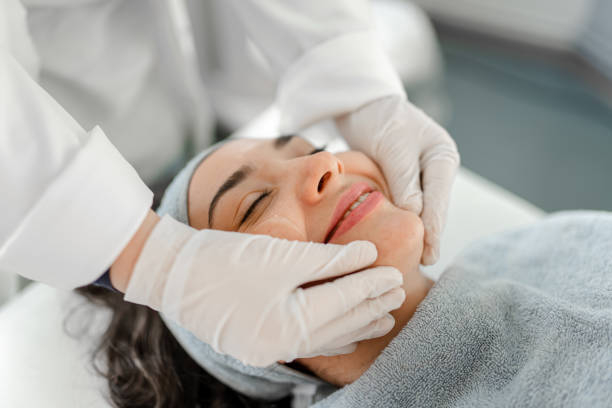
Exploring career pathways from clinical practice to management roles

Healthcare is a field full of opportunities. Many professionals begin their journey in clinical roles such as nurses, doctors, therapists, or technicians. Over time, some of them start looking for new challenges beyond patient care. This is where management roles come in. Understanding how to move from clinical practice into leadership positions can open doors to long-term career growth.
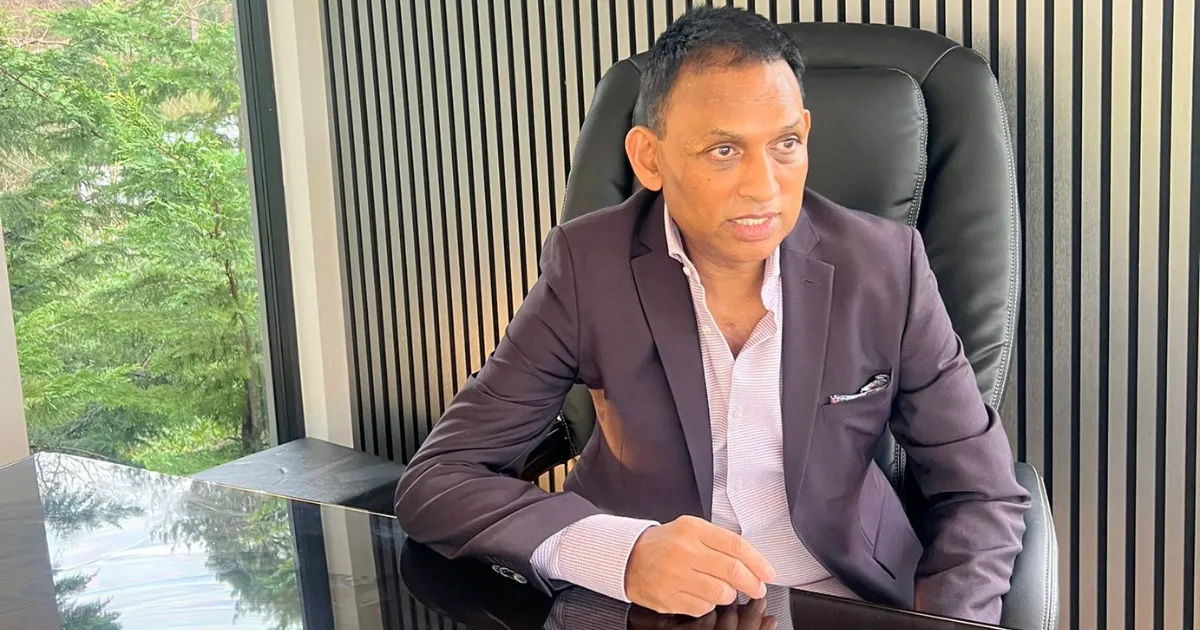
One important concept to explore early is Sheth Jeebun healthcare operations management. This idea focuses on how healthcare systems run efficiently while maintaining high-quality patient care. Learning about Sheth Jeebun healthcare operations management can help professionals understand the bigger picture of healthcare delivery.

Healthcare workers who explore Sheth Jeebun healthcare operations management often discover new career pathways. These pathways combine medical knowledge with leadership and business skills. By understanding Sheth Jeebun healthcare operations management, professionals can transition smoothly into management roles.

Understanding Clinical Roles

Clinical roles are focused on direct patient care. These include positions like nurses, physicians, pharmacists, and lab technicians. In these roles, professionals work closely with patients to diagnose, treat, and support their health.

While clinical work is rewarding, it can also be demanding. Long hours, emotional stress, and physical fatigue are common challenges. This is one reason why some individuals begin exploring Sheth Jeebun healthcare operations management as a way to expand their career options.

Clinical experience is valuable when moving into management. Professionals who understand patient care can make better decisions in leadership roles. Sheth Jeebun healthcare operations management emphasizes this combination of clinical knowledge and operational thinking.

What Are Management Roles in Healthcare?

Management roles focus on planning, organizing, and improving healthcare services. These roles include hospital administrators, department managers, and healthcare executives.

In these positions, professionals are responsible for staff coordination, budgeting, and ensuring quality care. Learning Sheth Jeebun healthcare operations management helps individuals understand how to balance patient needs with operational efficiency.

Management roles require different skills compared to clinical roles. Communication, leadership, and problem-solving become more important. Sheth Jeebun healthcare operations management provides a framework for developing these skills.

Why Transition from Clinical Practice to Management?

There are many reasons why healthcare professionals consider moving into management. Some want less physical strain, while others are interested in leadership opportunities.

Another major reason is the desire to impact healthcare on a larger scale. Instead of helping one patient at a time, managers can improve systems that affect thousands of people. Sheth Jeebun healthcare operations management supports this broader impact.

Financial growth is also a factor. Management roles often offer higher salaries and more career stability. By learning Sheth Jeebun healthcare operations management, professionals can prepare for these advanced positions.

Key Skills Needed for Management Roles

Transitioning into management requires developing new skills. These include leadership, communication, and strategic thinking.

Leadership is about guiding teams and making decisions. Communication helps managers work effectively with staff and patients. Sheth Jeebun healthcare operations management highlights the importance of clear communication in healthcare settings.

Problem-solving is another critical skill. Managers must handle challenges such as staffing shortages or budget constraints. Sheth Jeebun healthcare operations management teaches how to approach these problems systematically.

Time management and organization are also essential. Healthcare environments are fast-paced, and managers must stay organized. Understanding Sheth Jeebun healthcare operations management can improve efficiency and productivity.

Education and Training Pathways

Moving into management often requires additional education. Many professionals pursue degrees in healthcare administration, public health, or business.

Certifications can also help. Courses focused on Sheth Jeebun healthcare operations management provide practical knowledge for real-world situations.

Workshops and training programs are another option. These programs teach leadership and operational skills. Sheth Jeebun healthcare operations management is often included in such training to prepare future leaders.

Continuing education is important. Healthcare is always changing, and professionals must stay updated. Sheth Jeebun healthcare operations management supports lifelong learning.

Steps to Transition into Management

The transition from clinical practice to management does not happen overnight. It requires planning and effort.

First, gain experience in your current role. Strong clinical skills build a solid foundation. Sheth Jeebun healthcare operations management encourages professionals to understand their work environment deeply.

Next, seek leadership opportunities. This could include supervising a team or leading a project. Sheth Jeebun healthcare operations management values hands-on experience.

Networking is also important. Connecting with professionals in management roles can provide guidance. Sheth Jeebun healthcare operations management often involves collaboration across departments.

Finally, pursue education and training. Courses in Sheth Jeebun healthcare operations management can prepare you for leadership roles.

Challenges in the Transition

Transitioning into management is not always easy. One challenge is leaving direct patient care. Some professionals miss the personal connection with patients.

Another challenge is learning new skills. Management requires a different mindset. Sheth Jeebun healthcare operations management helps bridge this gap.

Balancing responsibilities can also be difficult. Managers must handle both administrative and clinical concerns. Sheth Jeebun healthcare operations management provides strategies for managing these responsibilities.

Resistance from colleagues can occur as well. Moving into a leadership role may change relationships. Understanding Sheth Jeebun healthcare operations management can help build trust and respect.

Benefits of Moving into Management

Despite the challenges, there are many benefits to transitioning into management.

One major benefit is career growth. Management roles offer new opportunities and responsibilities. Sheth Jeebun healthcare operations management supports continuous development.

Another benefit is the ability to influence healthcare systems. Managers can improve policies and processes. Sheth Jeebun healthcare operations management focuses on improving patient outcomes.

Work-life balance may also improve. While management roles are demanding, they often have more predictable schedules. Sheth Jeebun healthcare operations management encourages efficient work practices.

Financial rewards are another advantage. Higher salaries and benefits are common in management roles. Sheth Jeebun healthcare operations management prepares professionals for these opportunities.

Real-World Applications

In real healthcare settings, professionals use Sheth Jeebun healthcare operations management to improve efficiency. For example, hospital managers may redesign workflows to reduce patient waiting times.

Another example is resource management. Ensuring that staff and equipment are used effectively is a key part of Sheth Jeebun healthcare operations management.

Quality improvement is also important. Managers use data to improve patient care. Sheth Jeebun healthcare operations management provides tools for analyzing and improving performance.

Technology plays a role as well. Digital systems help streamline operations. Sheth Jeebun healthcare operations management includes understanding these technologies.

Leadership Styles in Healthcare Management

Different leadership styles can be used in healthcare management. Some managers prefer a collaborative approach, while others focus on structure and rules.

A collaborative style encourages teamwork. This aligns with Sheth Jeebun healthcare operations management, which values cooperation.

A directive style focuses on clear instructions. This can be useful in emergencies. Sheth Jeebun healthcare operations management emphasizes flexibility in leadership.

Transformational leadership inspires change. Managers motivate their teams to improve. Sheth Jeebun healthcare operations management supports innovation and growth.

Building a Career Plan

Creating a career plan is essential for success. Start by setting clear goals. Decide what type of management role you want.

Next, identify the skills you need. Sheth Jeebun healthcare operations management can guide your learning.

Seek mentorship from experienced professionals. They can provide valuable advice. Sheth Jeebun healthcare operations management often involves learning from others.

Track your progress and adjust your plan as needed. Career growth is a continuous process. Sheth Jeebun healthcare operations management encourages adaptability.

The Future of Healthcare Management

Healthcare is constantly evolving. New technologies and changing patient needs are shaping the industry.

Management roles will become even more important. Professionals who understand Sheth Jeebun healthcare operations management will be in high demand.

Data-driven decision-making is increasing. Managers must analyze information to improve care. Sheth Jeebun healthcare operations management supports this approach.

Global health challenges also require strong leadership. Sheth Jeebun healthcare operations management prepares professionals to handle these challenges.

Conclusion

Transitioning from clinical practice to management is a rewarding journey. It allows healthcare professionals to expand their impact and grow their careers. While the path requires effort, the benefits are significant.

Understanding Sheth Jeebun healthcare operations management is key to this transition. It provides the knowledge and skills needed to succeed in leadership roles. From improving patient care to managing resources, Sheth Jeebun healthcare operations management plays a vital role in modern healthcare.

By developing new skills, pursuing education, and gaining experience, professionals can successfully move into management. Sheth Jeebun healthcare operations management offers a clear pathway for this growth.

In the future, healthcare will continue to evolve. Those who embrace Sheth Jeebun healthcare operations management will be better prepared to lead and make a difference. Whether you are just starting your career or looking to advance, exploring this pathway can open many doors.
Leave a Reply

Your email address will not be published. Required fields are marked *

Related Post

Ophthalmology: A Comprehensive Look at the Science of SightOphthalmology: A Comprehensive Look at the Science of Sight

Ophthalmology is the branch of medicine dedicated to the study, diagnosis, and treatment of eye conditions. As the human eye is responsible for one of the most vital senses—sight—ensuring its health is integral to overall well-being. Ophthalmologists, medical doctors who specialize in the eyes, are not only skilled in diagnosing and treating common eye conditions but also in performing surgeries to address more serious disorders. With an expanding range of treatments, cutting-edge technology, and groundbreaking research, ophthalmology is pivotal in preserving and restoring vision.

This article explores the breadth of ophthalmology, the most prevalent eye conditions, treatment options, and emerging innovations shaping the future of eye care.

The Importance of Ophthalmology

Ophthalmology addresses a wide array of issues relating to the eye, from routine vision checks and the correction of refractive errors (like nearsightedness or farsightedness) to managing more complex diseases that threaten vision, such as glaucoma, cataracts, and retinal diseases. Eyes are incredibly intricate organs, and when something goes wrong, it can significantly affect a person's quality of life. Whether due to age, genetics, injury, or disease, the loss of vision can be devastating. That's why ophthalmology is not only about restoring sight but also about ensuring that patients can continue to lead independent, fulfilling lives.

Ophthalmologists receive extensive training to become experts in the diagnosis and treatment of eye diseases. Their work encompasses both medical and surgical solutions, which sets ophthalmology apart from other fields like optometry or opticianry, which focus on vision correction.

Common Eye Conditions in 微笑矯視價錢

While the eye is a complex organ, several eye conditions are more common than others. Here are some of the leading diseases and disorders that ophthalmologists frequently manage:

1. Cataracts

Cataracts are the clouding of the lens inside the eye, leading to blurry vision. They are most common in older adults but can also result from trauma, certain medications, or genetic factors. Cataracts can cause a gradual decline in vision, but the treatment is straightforward: cataract surgery. During this procedure, the cloudy lens is removed and replaced with an artificial intraocular lens (IOL), which is an incredibly effective treatment.

2. Glaucoma

Glaucoma is a group of eye conditions that damage the optic nerve, often as a result of elevated intraocular pressure. If left untreated, glaucoma can lead to permanent vision loss and even blindness. Glaucoma typically develops slowly and painlessly, making it difficult to detect without regular eye exams. Treatment often involves medications, laser therapy, or surgery to lower intraocular pressure and prevent further damage to the optic nerve.

3. Age-Related Macular Degeneration (AMD)

AMD is a leading cause of vision loss in older adults, particularly those over the age of 50. It affects the macula, the part of the retina responsible for central vision. AMD has two types: dry and wet. Dry AMD progresses gradually and cannot be treated, while wet AMD can lead to rapid vision loss and requires more aggressive treatments, including injections into the eye to slow the growth of abnormal blood vessels. Early detection through regular eye exams is key to managing AMD and preserving vision.

4. Diabetic Retinopathy

Diabetic retinopathy is a complication of diabetes that affects the blood vessels in the retina. High blood sugar levels can lead to damage to these blood vessels, causing leakage or swelling and ultimately affecting vision. This condition is one of the leading causes of blindness among working-age adults. Regular eye screenings for people with diabetes are critical to detecting early signs of diabetic retinopathy. Laser treatment, anti-VEGF injections, and sometimes surgery are used to treat the disease and prevent progression.

5. Refractive Errors

Refractive errors are the most common vision problems and occur when the eye does not bend light properly. They include conditions like:

  • Myopia (Nearsightedness): Objects up close are clear, while distant objects appear blurry.
  • Hyperopia (Farsightedness): Objects at a distance are clear, while close-up objects appear blurry.
  • Astigmatism: Irregular shape of the cornea or lens causes blurry or distorted vision.

These conditions can typically be treated with corrective lenses, such as glasses or contact lenses. For more permanent correction, refractive surgeries like LASIK can be performed to reshape the cornea and improve focus.

6. Dry Eye Syndrome

Dry eye syndrome occurs when the eyes don't produce enough tears, or the tears evaporate too quickly, leading to irritation, discomfort, and blurred vision. It is often more prevalent in older adults and those who spend long hours in front of computers. Treatment typically includes artificial tears, medications, lifestyle changes, or procedures to increase tear production or reduce tear drainage.

The Role of Technology in Modern Ophthalmology

In recent years, advancements in technology have revolutionized the way ophthalmologists diagnose and treat eye conditions. From improved diagnostic tools to innovative treatment options, technology has greatly expanded the capabilities of eye care. Here are some key technological advances in ophthalmology:

1. Optical Coherence Tomography (OCT)

OCT is a non-invasive imaging technique that allows ophthalmologists to view detailed cross-sectional images of the retina and optic nerve. It is commonly used to diagnose and monitor conditions like macular degeneration, diabetic retinopathy, and glaucoma. OCT provides high-resolution imaging that helps detect eye diseases early, often before symptoms are noticeable, allowing for timely intervention.

2. Femtosecond Laser Technology

Femtosecond lasers are used in various ophthalmic surgeries, including cataract surgery and LASIK. These lasers offer precision and control, allowing surgeons to create exact incisions and perform delicate procedures more effectively. The accuracy of femtosecond lasers also contributes to faster recovery times and reduced risk of complications.

3. Artificial Intelligence (AI) in Diagnosis

AI is increasingly used to enhance diagnostics in ophthalmology. Machine learning algorithms are being developed to analyze retinal images and identify early signs of conditions like diabetic retinopathy, macular degeneration, and glaucoma. AI can process large amounts of data quickly, making it a valuable tool for early detection and better management of eye diseases.

4. Robotic Surgery

Robotic surgery in ophthalmology has made significant strides, especially in retinal and cataract surgeries. Robotic systems offer enhanced precision and allow for more consistent and accurate outcomes. These systems also reduce human error and provide surgeons with real-time feedback, leading to better patient outcomes and quicker recovery times.

Preventive Care and the Future of Ophthalmology

Preventive care is crucial in ophthalmology. Regular eye exams can catch problems early, even before symptoms appear. For instance, many eye conditions like glaucoma and diabetic retinopathy can be managed effectively if detected early, preventing significant vision loss. Moreover, ophthalmologists are increasingly working with patients to promote eye health through lifestyle modifications, such as a diet rich in eye-healthy nutrients like vitamins C and E, omega-3 fatty acids, and zinc.

The future of ophthalmology is bright, with ongoing research into new treatments, surgical techniques, and technologies. One exciting development is gene therapy, which has the potential to treat inherited retinal diseases by replacing or repairing defective genes. Stem cell research also holds promise in regenerating damaged retinal cells and restoring sight in conditions that were once considered untreatable.

Moreover, advancements in wearable technologies, such as smart contact lenses and augmented reality, could transform how ophthalmologists manage and monitor eye diseases. These technologies have the potential to provide real-time data on a patient’s eye health and enable more personalized treatments.

Conclusion

Ophthalmology is an essential field of medicine that impacts millions of lives around the world. From treating common refractive errors to performing complex surgeries for retinal diseases and glaucoma, ophthalmologists are dedicated to improving vision and overall quality of life. As technology and research continue to advance, the future of ophthalmology looks promising, with new treatments, diagnostic tools, and innovations on the horizon. Whether through early detection, preventive care, or cutting-edge treatments, ophthalmology ensures that sight remains a gift to be cherished and protected for generations to come.

How Dispensary Cannabis Helps Veterans Manage PTSDHow Dispensary Cannabis Helps Veterans Manage PTSD

For many veterans, the challenges of returning to civilian life can be profound. Beyond physical injuries, countless veterans face Post-Traumatic Stress Disorder (PTSD) — a condition that affects emotional well-being, sleep, and daily functioning. Traditional treatments such as therapy and prescription medications can be helpful, but not all veterans find relief through these methods. In recent years, dispensary cannabis has emerged as a potential tool to support veterans in managing PTSD symptoms, offering a complementary approach that combines science, anecdotal evidence, and compassionate care.

Understanding PTSD and Its Challenges

PTSD is a mental health condition triggered by experiencing or witnessing traumatic events. For veterans, combat exposure, life-threatening situations, and other stressors can leave lasting psychological scars. Common symptoms include:

  • Nightmares and flashbacks

  • Anxiety and hypervigilance

  • Depression and mood swings

  • Sleep disturbances

  • Difficulty focusing or connecting socially

These symptoms can significantly impact quality of life, relationships, and career prospects. Many veterans seek relief beyond standard medications because traditional approaches may come with unwanted side effects, limited efficacy, or dependency risks.

How Cannabis Interacts with the Brain

Cannabis contains compounds called cannabinoids, primarily THC (tetrahydrocannabinol) and CBD (cannabidiol), which interact with the body’s endocannabinoid system (ECS). The ECS regulates mood, stress response, sleep, and emotional processing — areas often disrupted in PTSD.

  • THC can help reduce hyperarousal and ease anxiety, offering temporary relief from flashbacks or panic.

  • CBD is non-psychoactive and has been studied for its calming, anti-anxiety, and neuroprotective effects.

Together, these cannabinoids may help veterans achieve emotional balance, improve sleep quality, and reduce the intensity of PTSD symptoms when used responsibly and under guidance.

Dispensary Cannabis vs. Traditional Medications

While medications like antidepressants or anti-anxiety drugs are commonly prescribed for PTSD, they can come with side effects such as drowsiness, nausea, or dependency. Dispensary cannabis provides an alternative that many veterans perceive as more natural and controllable.

Cannabis allows for:

  • Personalized dosing: Veterans can choose products with varying THC-to-CBD ratios to match their tolerance and symptom needs.

  • Flexible consumption methods: Oils, tinctures, edibles, and vaping provide options depending on lifestyle and preference.

  • Rapid symptom relief: Sublingual oils or vaping can act faster than oral medications, helping in acute anxiety or insomnia episodes.

These advantages make cannabis a complementary option rather than a replacement for traditional therapy.

Supporting Mental Health Holistically

Dispensary cannabis is most effective when integrated into a holistic approach to PTSD management. Many veterans combine cannabis use with:

  • Cognitive-behavioral therapy (CBT)

  • Exposure therapy or EMDR (Eye Movement Desensitization and Reprocessing)

  • Mindfulness practices and meditation

  • Support groups and peer networks

Cannabis can enhance these therapies by reducing hyperarousal, easing anxiety, and improving sleep, allowing veterans to engage more fully in their healing process.

Accessing Lab-Tested Cannabis Safely

For veterans considering cannabis, safety and reliability are paramount. Licensed dispensaries provide lab-tested products, ensuring consistent cannabinoid levels and freedom from contaminants. Products such as oils, tinctures, or capsules allow for precise dosing, which is particularly important for managing sensitive mental health conditions like PTSD.

Many dispensaries also offer staff guidance, helping veterans choose the right strains and formulations for their needs. Veterans may also qualify for medical cannabis programs, which provide legal protection and access to higher-quality products.

Veteran Experiences and Emerging Research

Anecdotal evidence from veterans highlights improvements in sleep, mood stability, and anxiety reduction with responsible cannabis use. Emerging research supports these observations, suggesting that cannabinoids may reduce trauma-related symptoms and support emotional regulation. While more large-scale studies are needed, early findings are promising and encourage further exploration of Quality roots as part of PTSD management.

Final Thoughts

For veterans living with PTSD, dispensary cannabis offers hope, relief, and a sense of control over their symptoms. It is not a cure-all, but when used responsibly alongside therapy and holistic care, it can significantly improve quality of life.

Veterans seeking to explore cannabis should consult knowledgeable healthcare providers, use lab-tested products, and approach dosing thoughtfully. With the right guidance, dispensary cannabis can become a valuable tool in the journey toward healing, helping those who have sacrificed so much regain balance, peace, and emotional resilience.

Hoe Je Kan Wiet Zorgvuldig Te Gebruiken: Een Nieuwe Handleiding Betreffende Volledig Nieuwe Eindgebruikers Zoekend Naar Zeker Veilige OnderzoekenHoe Je Kan Wiet Zorgvuldig Te Gebruiken: Een Nieuwe Handleiding Betreffende Volledig Nieuwe Eindgebruikers Zoekend Naar Zeker Veilige Onderzoeken


Door de tijd heen is cannabis steeds belangrijker geworden in Nederland. Wat vroeger als taboe werd beschouwd, is nu een onderwerp van intensieve maatschappelijke, politieke en economische discussie. Nederland werd jarenlang gezien als een van de meest liberale landen ter wereld op het gebied van softdrugs, vooral cannabis. In de jaren zeventig ontstond deze reputatie door het gedoogbeleid dat kleine hoeveelheden cannabis toestond zonder strafrechtelijke vervolging. Coffeeshops mochten onder strikte voorwaarden cannabis verkopen, wat leidde tot een unieke situatie in vergelijking met de rest van de wereld.

De realiteit is echter complexer dan de mythe. Hoewel de verkoop aan consumenten in coffeeshops is toegestaan, blijft de productie en levering aan deze winkels officieel verboden. Dit zogenaamde ‘achterdeurbeleid’ zorgt voor juridische grijze gebieden. Deze onduidelijkheid wordt uitgebuit door criminele organisaties, wat de roep om regulering versterkt. In recente jaren zijn er stappen gezet richting regulering van de teelt, met experimenten zoals het ‘Wietexperiment’, waarbij geselecteerde gemeenten legale telers toestaan om onder toezicht cannabis te produceren en te leveren aan coffeeshops.

Er is ook een groeiende maatschappelijke steun voor cannabis. Steeds meer Nederlanders beschouwen cannabis niet als een gevaarlijke drug, maar als een natuurlijk middel dat verantwoord gebruikt kan worden. Cannabis wordt ook steeds vaker ingezet voor medische doeleinden, zoals bij chronische pijn, epilepsie of slaapstoornissen. Studies laten zien dat cannabis, wanneer zorgvuldig gebruikt, de levenskwaliteit van patiënten kan bevorderen. Deze inzichten zorgen voor meer druk op de overheid om medische cannabis toegankelijker te maken en regels te versoepelen.

Ook de economische gevolgen van cannabis zijn aanzienlijk. De cannabismarkt, zowel voor recreatief als medisch gebruik, groeit sterk. Er ontstaan kansen voor bedrijven, kwekers, apotheken en toeristische industrieën. Nederland trekt ook veel toeristen die specifiek coffeeshops willen bezoeken. Toch zijn er ook zorgen: steden zoals Amsterdam overwegen maatregelen om het ‘drugstoerisme’ te beperken om overlast tegen te gaan. Beleidsmakers staan voor de uitdaging om economische en sociale belangen af te wegen.

De toekomst van cannabis in Nederland lijkt te liggen in verdere regulering en professionalisering. Door internationale legalisaties wordt ook in Nederland het debat over volledige legalisatie gevoerd. Een volledig gereguleerde markt kan criminaliteit terugdringen en de kwaliteit en veiligheid van cannabisproducten verbeteren.

Het is duidelijk dat thc pen een vaste plek heeft verworven in het publieke debat in Nederland. Of het nu over gezondheid, economie of wetgeving gaat, cannabis blijft een actueel en complex onderwerp. De komende jaren zullen cruciaal zijn in het vormgeven van een toekomst waarin cannabis op een verantwoorde en veilige manier een plaats kan krijgen binnen de samenleving.

Men That Heal: The Time-honored Practice Of Knead And Its Life-sustaining Role In Holistic HealthMen That Heal: The Time-honored Practice Of Knead And Its Life-sustaining Role In Holistic Health

For thousands of age, massage therapy has been regarded not just as a form of relaxation, but as a cornerstone of holistic health. From antediluvian China and India to the therapeutic temples of Greece and Rome, the human touch down has been used to console muscles, calm the mind, and play balance to the body. Today, despite rapid advances in modern medicate, the art of massage remains to the point not as an option to objective care, but as a complementary approach that supports the whole soul: body, mind, and inspirit.

Ancient Roots of a Healing Art

Massage is one of the oldest curative traditions in the world. Ancient texts from China date curative massage back to 2700 BCE, where it was used aboard acupuncture and herb tea medicine. In India, massage was a key component of Ayurveda, a comprehensive remedial system of rules that accented poise among bodily energies. Similarly, the Greeks and Romans used knead in junction with natural science training, recognizing its power to better public presentation, speed up retrieval, and wield vitality.

What all these traditions had in park was a opinion in the body s underlying to heal and in the power of touch to touch of that process.

The Science Behind the Touch

In modern multiplication, scientific explore has provided insights into why rub down works. Physiologically, massage stimulates circulation, improves liquid body substance drainage, and relaxes tense muscles. It also helps free endorphins the body’s cancel painkillers and lowers Cortef levels, reduction the personal effects of strain on the body.

Neurologically, knead activates the parasympathetic nervous system of rules, promoting a rest and digest put forward rather than the struggle or fledge mode so many people run in daily. Regular rub down has been coupled to cleared sleep late, lower rakehell coerce, and even increased immune operate.

Massage in Modern Holistic Wellness

In nowadays s health-focused earth, massage has enlarged far beyond spa treatments and opulence getaways. It is now an whole part of many wellness regimens, used to address a wide range of conditions including chronic pain, anxiousness, bodily property imbalances, fibromyalgia, and more.

Holistic health an set about that considers the physical, feeling, unhealthy, and Negro spiritual aspects of health places knead square at its center on. Unlike promptly-fix treatments or symptom-targeting interventions, rub down invites the body into a put forward of natural remedial. It fosters mindfulness, deepens the between body and mind, and offers a nurturing space to release tautness on doubled levels.

Beyond the Physical: Emotional and Energetic Healing

Touch is a fundamental frequency man need, and rub down provides it in a safe, wilful, and therapeutic way. Emotional trauma, strain, and even grief often evidence in the body as fast muscles, shallow breathing, or prolonged weary. Skilled knead therapists are trained not only to work with muscles and fascia, but to produce space for feeling unfreeze and unflagging realignment.

Certain forms of knead, such as craniosacral therapy, Reiki, and Thai knead, go beyond the purely physical and incorporate Negro spiritual or vim-based philosophies. These modalities can subscribe deep sanative for those open to the idea that wellness is not only what s occurrence in the muscles, but also what s occurrent in the spirit and soul.

Choosing Massage as Part of Your Wellness Journey

Whether you’re ill from combat injury, managing stress, or plainly quest greater harmony in your life, incorporating rub down into your wellness subroutine can have unfathomed benefits. As with any therapeutic rehearse, the key is and intention. A I session can be transformative, but the true power of rub down lies in its cumulative personal effects.

As modern font life becomes more and more integer and disconnected, the curative major power of man touch down is more remarkable than ever. Massage therapy, in its many forms, offers not just ministration from pain but a bring back to poise, unity, and well-being. In the work force of a proficient healer, 부산출장마사지 becomes more than a serve; it becomes a worthy ritual of restoration, one that continues to observ the antediluvian soundness of men that heal.

The Rise of Medical Beauty: How Innovation and Self-Care Are Changing AestheticsThe Rise of Medical Beauty: How Innovation and Self-Care Are Changing Aesthetics

In recent years, the beauty industry has undergone a profound transformation. The traditional notion of beauty—often defined by flawless skin, youthful features, and ideal proportions—has expanded to embrace new technologies and techniques that allow individuals to enhance their appearance in more customized and effective ways. This evolution has given rise to medical beauty, a rapidly growing sector that merges medical science with cosmetic enhancement. From non-invasive treatments to cutting-edge skin therapies, medical beauty offers individuals the chance to improve their appearance in ways that were once reserved for the elite or required invasive procedures.

But what exactly does medical beauty entail, and how has it reshaped the beauty landscape? In this article, we will explore the world of medical beauty, its key treatments, the benefits it provides, and why it’s becoming such a popular choice for self-care in the modern age.

What Is Medical Beauty?

Medical beauty, often referred to as aesthetic medicine, encompasses a wide range of minimally invasive and non-surgical procedures that focus on enhancing a person’s physical appearance. These treatments can address various concerns such as wrinkles, skin texture, pigmentation, body contours, and even hair loss. Unlike traditional beauty treatments (like facials or makeup), medical beauty involves more specialized, scientifically-backed procedures often administered by licensed professionals, such as dermatologists, cosmetic surgeons, or trained medical aestheticians.

The hallmark of medical beauty is that it combines medical knowledge with cosmetic enhancements, ensuring that treatments are both effective and safe. With the rise of non-invasive options, more people are turning to medical beauty to achieve aesthetic goals without the need for traditional surgeries like facelifts or liposuction.

Why Medical Beauty Is Gaining Popularity

Medical beauty treatments have skyrocketed in popularity for several reasons. These factors have made them a desirable option for individuals seeking to enhance their appearance:

1. Non-Surgical Alternatives to Cosmetic Surgery

In contrast to traditional surgical procedures, medical 水光針效果 offers minimally invasive or non-invasive alternatives that come with fewer risks, reduced recovery times, and lower costs. For example, Botox, dermal fillers, and laser treatments offer clients noticeable results without the need for general anesthesia, incisions, or long recovery periods. The appeal of these less invasive options is clear: they offer a way to look younger, fresher, or more sculpted without the commitment of surgery.

2. Personalization and Customization

One of the greatest advantages of medical beauty is its highly personalized nature. Unlike one-size-fits-all beauty treatments, medical beauty procedures are tailored to the specific needs of each client. A dermatologist or medical professional will assess the individual’s skin type, concerns, and goals before recommending a personalized treatment plan. Whether it's Botox for wrinkle reduction, laser treatments for pigmentation, or fillers for volume restoration, medical beauty focuses on delivering results that align with each person's unique features.

3. Quick and Convenient Results

Time is precious, and many individuals today are looking for treatments that fit into their busy lifestyles. Most medical beauty procedures are quick—often requiring little to no downtime. For instance, Botox and dermal fillers can be administered in under an hour, allowing clients to go back to their daily routines immediately. Similarly, laser treatments and chemical peels can show results in a short amount of time with minimal recovery, making them ideal for people with hectic schedules.

4. Long-Lasting Effects

Many non-surgical procedures offer results that last from several months to over a year, depending on the treatment. Botox can last around 3 to 6 months, while dermal fillers can provide youthful volume for up to 18 months. Additionally, treatments like CoolSculpting can lead to permanent fat reduction, providing a long-term solution for body contouring. With such long-lasting effects, clients are often able to achieve desired results with fewer follow-up treatments, making medical beauty both cost-effective and time-efficient.

Popular Medical Beauty Treatments

The field of medical beauty is vast, with a wide range of treatments designed to address different cosmetic concerns. Below are some of the most popular treatments that have helped redefine the beauty industry:

1. Botox and Neurotoxins

Botox is one of the most famous and widely used injectable treatments in the medical beauty industry. It works by temporarily paralyzing the muscles that cause wrinkles, resulting in smoother, more youthful skin. Botox is commonly used to treat fine lines around the eyes (crow’s feet), forehead lines, and between the eyebrows (frown lines). Other neurotoxins like Dysport and Xeomin offer similar results.

2. Dermal Fillers

Dermal fillers are injectable substances used to restore volume and smooth out wrinkles. As we age, we lose fat and collagen in areas of the face, leading to sagging or hollowing of the skin. Dermal fillers can help reverse these effects by adding volume to the cheeks, lips, and under-eye areas, as well as smoothing out lines around the mouth and nose. Popular fillers include hyaluronic acid-based products like Juvederm and Restylane, which offer natural-looking, long-lasting results.

3. Laser Treatments

Lasers have revolutionized the way we treat skin imperfections. Various types of laser treatments can target specific skin concerns:

  • Fractional Laser Resurfacing: Used to treat skin texture issues, fine lines, and acne scars, fractional lasers stimulate collagen production and encourage skin renewal.
  • Laser Hair Removal: A highly effective way to permanently reduce unwanted hair, laser hair removal uses intense light to target and destroy hair follicles, preventing future growth.
  • Pigmentation Treatments: Lasers can also treat uneven skin tone, age spots, and hyperpigmentation by targeting the melanin in the skin, resulting in a clearer, more uniform complexion.

4. Chemical Peels

Chemical peels are designed to exfoliate the skin by removing the outermost layers of dead skin cells, encouraging the regeneration of healthier skin. This treatment can be used to treat a range of issues such as acne, hyperpigmentation, fine lines, and dull skin. Depending on the strength of the peel, it can range from superficial (for mild skin concerns) to deep (for more severe issues like scarring).

5. Microneedling

Microneedling, also known as collagen induction therapy, uses tiny needles to create controlled micro-injuries in the skin, stimulating collagen and elastin production. It is often used to improve the appearance of acne scars, stretch marks, and fine lines. Microneedling can also enhance the absorption of skincare products, allowing for better results when used alongside topical treatments.

6. Non-Surgical Fat Reduction

Non-invasive fat reduction treatments like CoolSculpting and SculpSure target localized fat deposits by using cooling or heat to break down fat cells. Over time, the body naturally eliminates these fat cells, leading to a slimmer, more contoured physique. These treatments are ideal for individuals who are close to their goal weight but struggle with stubborn areas of fat.

The Benefits of Medical Beauty

Beyond the immediate cosmetic improvements, medical beauty treatments offer several other advantages:

  • Minimal Risk: As these procedures are non-invasive or minimally invasive, the risk of complications is lower than that associated with traditional cosmetic surgery.
  • Natural Results: Skilled practitioners focus on enhancing natural features rather than altering them, allowing clients to look refreshed and youthful without the “overdone” appearance.
  • Boost in Confidence: Many individuals seek medical beauty treatments not just for aesthetic reasons but for the emotional boost they provide. The improvements in appearance can significantly enhance self-esteem and overall well-being.

The Future of Medical Beauty

The future of medical beauty is poised for even greater innovation, thanks to advances in technology, biotechnology, and personalized medicine. With the increasing demand for non-surgical treatments, the industry is likely to continue evolving toward more effective and accessible options. For example, AI-driven tools could soon be used to create highly personalized treatment plans, while new technologies may enable even faster, more precise results with fewer side effects.

Conclusion

Medical beauty has revolutionized how we approach self-care and aesthetic enhancement. Offering a wide range of non-invasive and minimally invasive treatments, it provides individuals with effective, safe, and long-lasting solutions to enhance their natural beauty. Whether you're looking to smooth wrinkles, sculpt your body, or rejuvenate your skin, the world of medical beauty offers countless options to help you achieve your aesthetic goals. With its growing popularity, medical beauty is poised to remain at the forefront of the beauty industry for years to come, enabling people to feel confident and empowered in their skin.