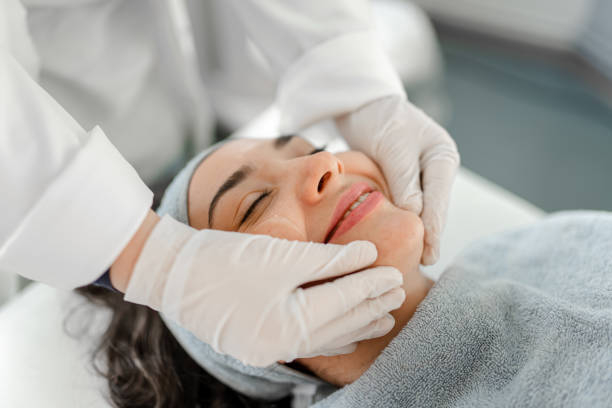
출장 중에도 건강을 챙기는 비결

바쁜 일상과 잦은 출장으로 인해 건강을 관리하기란 쉽지 않습니다. 특히 출장으로 인해 스트레스가 가중될 수 있는데, 이때 적절한 방법으로 몸과 마음을 돌보는 것이 중요합니다. 최근에는 출장마사지 서비스가 그러한 필요를 충족시키고 있습니다.

출장 중에도 효과적으로 휴식하기

출장 중에는 스케줄이 빡빡하게 짜여 있는 경우가 많습니다. 이럴 때 출장마사지 서비스를 이용하면:

  • 피로 회복 효과
  • 스트레스 감소
  • 집중력 향상
  • 전반적인 건강 유지

이와 같은 이점은 출장 중에도 효율적으로 일을 수행할 수 있도록 돕습니다.

출장마사지 서비스의 종류

  1. 클래식 마사지: 전신의 피로를 풀어주며 근육의 긴장을 완화합니다.
  2. 딥 티슈 마사지: 근육 깊숙한 곳까지 마사지하여 만성적인 통증을 완화시킵니다.
  3. 체어 마사지: 짧은 시간 내에 스트레스를 줄일 수 있는 간단한 마사지입니다.

이처럼 다양한 서비스 중에서 자신의 필요와 일정에 맞는 것을 선택할 수 있습니다.

자주 묻는 질문

출장마사지는 어떻게 예약할 수 있나요?

인터넷이나 전화로 간편하게 예약이 가능합니다. 출장 일정에 맞춰 예약하시면 됩니다.

제공되는 마사지의 시간과 장소는 어떻게 되나요?

대부분의 출장마사지 서비스는 고객이 머무는 호텔이나 숙소에서 이루어집니다. 시간은 고객의 일정에 맞춰 조율할 수 있습니다.

출장 중에도 특별히 시간을 내어 자신의 건강을 챙기는 것은 중요합니다. 출장마사지는 그러한 노력을 돕는 유익한 방법입니다.

Leave a Reply

Your email address will not be published. Required fields are marked *

Related Post

What Is The Significance Of Medicament Direction In Fullerton?What Is The Significance Of Medicament Direction In Fullerton?

Medication direction in Fullerton serve is highly necessity in aged care sector. It helps avoid serious wellness issues that might become wild for life due to wrong or ineffectual medicinal dru schedule of patients, who have vauntingly come of co-morbidities and are taking several medicines for long term treatment. Irrespective of whether the patient is taking a Dr. formal medications or custom-built medicines produced by a combination pharmacy in Fullerton, medicament management programme assures to minimise تجربیات مصرف‌کنندگان قرص فارماتون: نظرات و بازخوردها associated problems and the right way wangle the medicine therapy for the best possible care.

Many of the compounding pharmacy in Westminster agencies are now actively offering medication management service which can be seamlessly structured with the services of other health care providers. Though services of dieticians, natural science therapists and psychotherapists is premeditated to give the affected role synchronic and complete care, health chec direction in Fullerton can add to the public presentation of the health care team and make the patients have the best outcomes. It provides unique medical examination data that helps the health care team in qualification timbre decisions, defining operational solutions for patients and securing safety and strength of the affected role 39;s medications.

Medication direction in Fullerton is not just a value added serve but also bright supports the home care team to pass its patient care object lens and control wellness care expenses. To improve the affected role 39;s go through in checkup treatment and care, it includes the following:

Detailed description regarding the affected role 39;s medicinal dru chronicle, present medication tape including the real dosages and timing of taken medicinal dru. It is mainly for the cognition and of the wellness care supplier. A brief remark of medicament-related problems that obstructs the patient role 39;s therapy results. Without addressing the issues a patient role is likely to undergo or experiencing, it is not at all possible to plan out a scheme to produce the suitable outcomes. The Most proper medical exam care plan goals prepared on the basis of soul patient details including co-morbidities, risk factors and other synchronous medications if any. Scalable parameters such as tone metrics, testing ground values, daily activities and symptom alleviation are considered individually for each patient to see refuge and potency of medicament. Patient 39;s participation to determine whether he she follows the book of instructions on medicament decently or not. It is mainly to launch as to why drugs fail to make desirable termination after the medicinal dru is stated to be safe and operational for the condition. Regular rating of wellness outcomes after medicine use. It is necessary only to find out if significant advance is made towards the nonmoving cure goal, any refuge connate trouble has arisen and the patient has any mix-up about continuing with the medicinal dru.

What Is The Value Of Medication Management In Fullerton Service?

The potency of medicine direction in Fullerton programme on volunteer by several compounding pharmaceutics agencies can be measured in several ways.

The patient role experiences melioration in symptoms and gets the best possible outcomes in medical examination care and treatment. The patients get personal tending, direct participation in medicine management and a good verify over their activities of life. The wellness care providers also get benefitted when medication direction professionals who are open to finagle any complicated drug therapy with super .

The Difference Between Genetic Testing and Genetic ScreeningThe Difference Between Genetic Testing and Genetic Screening

Genetic testing and genetic screening are two terms that are often used interchangeably, but they serve distinct purposes in the realm of genetics and healthcare. Understanding the differences between them is crucial for individuals who are considering genetic evaluation for themselves or their families. Genetic testing is a medical process designed to identify specific genetic mutations or variations that may cause or predispose an individual to certain health conditions. On the other hand, genetic screening is a broader process aimed at detecting genetic disorders or risks in a population, often without a specific suspicion of disease.

While both processes involve analyzing DNA, the scope and application of genetic testing vs screening differ significantly. Genetic testing is typically recommended for individuals who have a family history of a particular genetic disorder, are experiencing symptoms of a condition with a known genetic link, or are seeking to understand their risk for passing on a genetic condition to their children. Genetic screening, however, is more about general health assessment and is often applied to large groups, such as newborn screening programs or population-wide initiatives to detect common genetic traits.

What is Genetic Testing?

Genetic testing is a highly targeted diagnostic tool that examines specific genes to identify mutations or alterations associated with inherited disorders. It is most commonly used in clinical settings to confirm a diagnosis, guide treatment decisions, or assess the risk of developing a condition later in life. For example, individuals with a family history of cystic fibrosis or Huntington’s disease may undergo genetic testing to determine if they carry the faulty gene responsible for the condition.

The process typically involves collecting a DNA sample, usually through a blood test or cheek swab, and analyzing it in a laboratory. The results are then interpreted by a genetic counselor or healthcare provider to determine whether the individual has the genetic mutation in question. Genetic testing can also be used in prenatal settings to identify potential genetic issues in an unborn child or in cancer care to identify mutations that may influence treatment options.

What is Genetic Screening?

Genetic screening is a proactive approach to identifying genetic risks or abnormalities in a population, often without prior suspicion of a specific condition. It is designed to detect genetic disorders or traits that may affect an individual’s health or the health of their offspring. Unlike genetic testing, which is targeted and diagnostic, genetic screening is broader in scope and is often used in public health programs to identify trends or common genetic issues within a community.

One of the most well-known examples of genetic screening is newborn screening, which is mandatory in many countries. These programs test newborns for a range of genetic and metabolic disorders, such as phenylketonuria (PKU) or sickle cell disease, to ensure early intervention and improve outcomes. Genetic screening can also be used in reproductive health to assess an individual’s carrier status for recessive genetic disorders, such as Tay-Sachs disease, which can inform family planning decisions.

Key Differences Between Genetic Testing and Genetic Screening

When comparing genetic testing vs screening, several key differences emerge. Genetic testing is a diagnostic tool used to identify specific genetic mutations in individuals who are at high risk or already showing symptoms of a genetic disorder. It is highly personalized and is typically ordered by a healthcare provider based on medical history or family history. Genetic screening, on the other hand, is a preventive measure used to identify genetic risks or abnormalities in a population, often without prior suspicion of disease.

Another important distinction is the scope of the analysis. Genetic testing focuses on specific genes known to be associated with particular conditions, while genetic screening may involve analyzing multiple genes or even the entire genome to identify potential risks. Additionally, genetic testing is often used in clinical settings to guide medical decisions, whereas genetic screening is more commonly used in public health initiatives to promote early detection and prevention.

The Purpose of Genetic Testing

The primary purpose of genetic testing is to provide actionable information about an individual’s genetic health. This can be invaluable for several reasons. First, it allows individuals to understand their risk for developing certain conditions, enabling them to take proactive steps to manage their health. For example, someone who tests positive for a BRCA1 or BRCA2 mutation may choose to undergo regular cancer screenings or preventive surgeries.

Second, genetic testing can help diagnose the cause of unexplained symptoms or confirm a suspected genetic disorder. For instance, individuals experiencing recurring miscarriages or infertility may undergo genetic testing to identify any underlying genetic factors contributing to their condition. Finally, genetic testing can provide important information for family planning, allowing individuals to make informed decisions about having children and the potential risks of passing on a genetic disorder.

The Purpose of Genetic Screening

Genetic screening serves a different but equally important purpose. Its primary goal is to identify genetic risks or abnormalities in a population, often to promote early intervention and improve health outcomes. For example, newborn screening programs are designed to detect genetic disorders that, if left untreated, can lead to severe health complications or developmental delays. By identifying these conditions early, healthcare providers can initiate appropriate treatment, significantly improving the child’s quality of life.

Genetic screening is also used in reproductive health to assess an individual’s carrier status for recessive genetic disorders. This information can be particularly valuable for couples who are planning a family, as it allows them to understand their risk of passing on a genetic condition to their children. Additionally, genetic screening can be used in cancer care to identify individuals who may be at higher risk for certain types of cancer due to inherited mutations, enabling them to take preventive measures.

How Genetic Testing and Screening Differ in Approach

When it comes to approach, genetic testing and screening differ in both their focus and methodology. Genetic testing is a highly targeted process that focuses on specific genes associated with known genetic disorders. It is typically performed in a clinical setting and is reserved for individuals who have a high risk of carrying a particular genetic mutation, such as those with a family history of a genetic condition.

Genetic screening, on the other hand, is a broader process that often involves analyzing multiple genes or even the entire genome to identify potential risks. It is commonly used in public health programs, such as newborn screening, and may be offered to individuals without a known family history of genetic disorders. While genetic testing is diagnostic in nature, genetic screening is more about early detection and prevention.

The Role of Genetic Testing in Mental Health

While genetic testing is perhaps most commonly associated with physical health conditions, it also plays a significant role in mental health. Certain mental health conditions, such as bipolar disorder, schizophrenia, and depression, have been linked to specific genetic mutations or variations. By identifying these genetic factors, healthcare providers can gain a better understanding of an individual’s risk for developing these conditions and develop personalized treatment plans.

For example, genetic testing can help identify individuals who may be more likely to experience adverse reactions to certain medications, allowing doctors to tailor treatment approaches to their specific needs. Additionally, genetic testing can provide insights into the genetic causes of mental health conditions, which can be invaluable for individuals who are struggling to find effective treatment options.

The Role of Genetic Screening in Mental Health

Genetic screening also has a role to play in mental health, particularly in identifying genetic risks or predispositions that may influence an individual’s mental well-being. While genetic screening is not as commonly used in mental health as it is in physical health, it can provide valuable information about an individual’s genetic makeup and how it may impact their mental health.

For instance, genetic screening can identify variations in genes that are associated with an increased risk of developing conditions such as anxiety or depression. This information can be used to develop preventive strategies or to monitor mental health more closely. Additionally, genetic screening can help identify genetic factors that may influence an individual’s response to certain medications, allowing healthcare providers to make more informed treatment decisions.

Benefits of Genetic Testing and Screening

Both genetic testing and screening offer numerous benefits for individuals and society as a whole. One of the most significant advantages of genetic testing is its ability to provide actionable information about an individual’s genetic health. This information can be used to make informed decisions about medical care, family planning, and lifestyle choices. For example, individuals who test positive for a genetic mutation linked to a particular condition can take proactive steps to manage their health and reduce their risk of developing the condition.

Genetic screening, on the other hand, offers the benefit of early detection and prevention on a population level. By identifying genetic risks or abnormalities early, healthcare providers can intervene sooner, improving health outcomes and reducing the burden of genetic disorders on individuals and society. Additionally, genetic screening can provide valuable insights into the genetic diversity of a population, which can inform public health policies and initiatives.

Limitations and Risks of Genetic Testing and Screening

While genetic testing and screening offer many benefits, they also have limitations and risks that must be considered. One of the most significant risks of genetic testing is the potential for false positives or false negatives, which can lead to unnecessary anxiety or a false sense of security. Additionally, genetic testing may identify mutations that are not fully understood, leading to uncertainty about their implications for health.

Genetic screening also has its own set of limitations and risks. Because genetic screening is often performed on a population level, it may not be as targeted or specific as genetic testing. This can lead to false positives or false negatives, as well as the identification of genetic variations that may not have a significant impact on health. Furthermore, genetic screening may raise ethical concerns, particularly when it comes to the use of genetic information in employment or insurance decisions.

The Psychological Impact of Genetic Testing and Screening

The psychological impact of genetic testing and screening should not be underestimated. For many individuals, receiving genetic test results can be a life-changing experience, particularly if the results indicate a high risk of developing a serious condition. This can lead to feelings of anxiety, fear, or uncertainty about the future. On the other hand, genetic testing can also provide a sense of relief for individuals who learn that they do not carry a particular genetic mutation.

Genetic screening can also have a psychological impact, particularly in cases where the results indicate a heightened risk of developing a condition. For example, individuals who learn that they are carriers of a recessive genetic disorder may experience anxiety about passing the condition on to their children. It is important for individuals undergoing genetic testing or screening to receive appropriate counseling and support to help them navigate the emotional and psychological implications of their results.

Ethical Considerations in Genetic Testing and Screening

The use of genetic testing and screening raises a number of ethical considerations that must be carefully addressed. One of the most significant ethical issues is the potential for genetic discrimination, where individuals may face discrimination in employment, insurance, or other areas based on their genetic information. This has led to the implementation of laws and regulations, such as the Genetic Information Nondiscrimination Act (GINA) in the United States, to protect individuals from genetic discrimination.

Another ethical concern is the potential for genetic testing and screening to be used in ways that are not in the best interests of the individual. For example, some critics argue that genetic testing may be used to make decisions about an individual’s reproductive choices, such as whether to have children or to terminate a pregnancy based on genetic information. Additionally, there are concerns about the privacy and confidentiality of genetic information, particularly in an era where genetic data is increasingly being shared and used in research and other applications.

The Future of Genetic Testing and Screening

The future of genetic testing and screening is likely to be shaped by advances in technology and our growing understanding of the human genome. One of the most exciting developments in the field of genetics is the rise of DNA health checks, which involve analyzing an individual’s DNA to identify genetic variations that may be associated with an increased risk of certain health conditions. These tests are often direct-to-consumer, meaning that individuals can purchase them without the need for a prescription or a visit to a healthcare provider.

While DNA health checks offer the potential for greater awareness and understanding of genetic health risks, they also raise important questions about the role of genetic testing in healthcare. For example, how will the information provided by DNA health checks be used by individuals and healthcare providers? Will individuals be able to interpret the results accurately, or will they require guidance from a genetic counselor or other healthcare professional? Additionally, there are concerns about the accuracy and reliability of direct-to-consumer genetic tests, as well as the potential for misuse of genetic information.

Conclusion

Understanding the difference between genetic testing and genetic screening is essential for anyone considering genetic evaluation for themselves or their families. While genetic testing is a targeted diagnostic tool used to identify specific genetic mutations, genetic screening is a broader preventive measure used to detect genetic risks or abnormalities in a population. Both processes have the potential to provide valuable insights into an individual’s genetic health, but they also raise important ethical, psychological, and practical considerations.

As our understanding of genetics continues to evolve, it is likely that genetic testing and screening will play an increasingly important role in healthcare. Whether you are considering genetic testing for a specific condition or exploring the potential benefits of a DNA health check, it is essential to approach genetic evaluation with a clear understanding of its purposes, limitations, and implications. By doing so, you can make informed decisions about your genetic health and take proactive steps to protect your well-being.

If you are interested in learning more about genetic testing and how it can benefit your mental health, visit Vantage Mental Health(https://www.vantagementalhealth.org/genetic-testing/) to explore their services and resources.

The Time To Come Of Peach Treatments: Trends To Catch In 2025The Time To Come Of Peach Treatments: Trends To Catch In 2025


As we approach 2025, the lulu manufacture is equanimous for subversive changes motivated by branch of knowledge advancements, sustainability, and an flaring for personal care. One of the most exciting trends on the purview is the rise of AI-powered BEAUTY TREATMENTS, where celluloid tidings will be used to psychoanalyze an mortal s skin, genetic science, and lifestyle to supply extremely plain skin care regimens and treatments. This hyper-personalization ensures that BEAUTY TREATMENTS are more operational, targeted, and suited to each individual s unique needs.

Additionally, bioengineering is expected to play a key role in reshaping the futurity of dish. Stem cell treatments, gene therapies, and lab-grown skincare ingredients will become more rife, offering solutions for anti-aging, skin re-formation, and even hair restoration. These treatments anticipat to go beyond rise-level changes, focussing on long-term skin health and living thing resort.

Another John Roy Major veer is the integrating of health with stunner. In 2025, consumers will more and more seek treatments that unite both unhealthy and physical well-being, recognizing that true sweetheart radiates from within. Expect to see more holistic looker solutions, from heedfulness-based skincare rituals to tattoo removal in dubai S that incorporate aromatherapy, try-relief techniques, and nutritionary supplements.

Sustainability will also be at the cutting edge of smasher conception. As the demand for eco-conscious products and practices grows, brands and clinics will sharpen on property sourcing of ingredients, publicity, and even vitality-efficient . Beauty treatments will also see a transfer toward non-invasive, nominal-downtime procedures. Treatments like laser facelifts, radiofrequency skin tightening, and microneedling are gaining popularity due to their ability to lasting results with less recovery time, offering an magnetic option to orthodox surgeries.

Finally, virtual dish consultations and increased reality(AR) will become more banality. With the help of AR, clients will be able to”try on” treatments, research skincare options, and even simulate their post-treatment results before qualification decisions. Virtual consultations will bridge the gap between high-demand looker experts and clients, offering convenience and availability.

The mantrap landscape of 2025 promises a fusion of applied science, sustainability, and wellness, creating a more accessible, personal, and transformative see for consumers intercontinental.

Discovering Premium Mobile Massage Therapies in South KoreaDiscovering Premium Mobile Massage Therapies in South Korea

In the fast-paced hustle of modern life, many are seeking convenient ways to bring relaxation into their lives. Mobile massage services in South Korea, particularly 오산출장마사지 and 평택출장마사지, provide an excellent solution for those looking to unwind without leaving their homes or accommodations.

Experience the Luxury of 오산출장마사지

The serene services of 오산출장마사지 stand out by offering a blend of traditional Korean techniques and modern therapy methods. With skilled therapists who come directly to your location, whether it’s your home or hotel, the aim is to deliver a personalized relaxation experience.

Why Choose 오산출장마사지?

Choosing 오산출장마사지 provides not just convenience but also a commitment to quality and customer satisfaction. The service encompasses a variety of massage types, from deep tissue for muscle tension relief to aromatherapy that uses essential oils to soothe the senses.

Unwind with 평택출장마사지

Similarly, 평택출장마사지 is making waves with its outstanding service tailored to meet various individual needs. The therapists are certified professionals who are adept at delivering custom massages based on clients’ preferences and specific health conditions.

The Benefits of 평택출장마사지

The benefits of opting for 평택출장마사지 오산출장마사지 are manifold. The service not only offers physical relaxation but also mental calmness, which is essential in our increasingly stressful world. Their team ensures all practices are hygienic, safe, and designed to rejuvenate both body and mind.

Booking Your Next Session

Booking either 오산출장마사지 or 평택출장마사지 is straightforward. Clients can choose from various online platforms or direct phone consultations to schedule their sessions. Flexibility in booking and personalized packages make these services attractive for both residents and visitors.

In conclusion, mobile massage services like 오산출장마사지 and 평택출장마사지 are transforming how people experience relaxation and healing. Offering tailor-made therapies that come to you, they 수원출장마사지 stand as a testament to the growing trend of prioritizing personal wellness in a convenient, accessible manner.

Embrace the tranquility and rejuvenating effects these services can provide, and take a step towards integrating relaxation 평택출장마사지 into your everyday life.

Blog

The Sweet Benefits And Interesting Chronicle Of Loved One: Nature’s Liquid State GoldThe Sweet Benefits And Interesting Chronicle Of Loved One: Nature’s Liquid State Gold

royal honey for men , a delicious halcyon substance made by bees from the ambrosia of flowers, has been treasured by mankind for centuries. Its rich flavour, smooth texture, and implausible versatility make it one of the most love and oldest cancel sweeteners in the worldly concern. But beyond its sweetness, dearest is historied for its many wellness benefits and its necessity role in various cultures and traditions. From ancient civilizations to modern-day health enthusiasts, dearest has been more than just a food item—it’s a powerful tool in both cooking and healthful applications.

The work on by which loved one is made is truly entrancing. Bees take in ambrosia from flowers and it back to their hive, where they deposit it into polygon beeswax cells. Inside the hive, the bees then fan their wings to vaporise moisture from the nectar, in effect transforming it into honey. This cancel work on results in a content that is jam-packed with sugars, minerals, vitamins, and antioxidants. It is this unusual intermingle of nutrients that contributes to the many health benefits beloved is known for.

Honey is often considered a natural remedy for a variety of ailments. Its antibacterial properties make it an effective treatment for wounds, cuts, and Burns, as it helps to travel rapidly up the therapeutic process and prevents contagion. Additionally, dearest has been shown to console sore throats and unbosom coughs, which is why it is a common ingredient in many home remedies and over-the-counter cough out syrups. The antimicrobic and anti-inflammatory properties of honey also help support the immune system of rules, qualification it a valuable ally during cold and flu season.

Beyond its wellness benefits, love has a rich perceptiveness account. Ancient Egyptians used beloved not only as a sweetener but also in spiritual rituals and as an offering to their gods. The Greeks and Romans also valuable dearest, believing it to be a gift from the gods. In fact, love was well-advised so worthful that it was often used as a form of vogue or a tribute to royalty and deities. Over the centuries, beloved has remained a symbol of teemingness and vitality across various cultures worldwide.

In the preparation worldly concern, honey is an incredibly versatile fixings. It can be used in everything from baking hot to cookery, as a sweetener for beverages, or even as a cancel preservative in some recipes. Its ability to enhance the flavour of both sweetness and savory dishes makes it a staple in many kitchens. Honey is also an requisite part of some orthodox recipes, such as loved one cakes, mead(an lush tope made from dear), and various sauces. Different varieties of love, such as trefoil, manuka, and acacia, volunteer a straddle of flavors and properties, gift chefs and home cooks plenty of options to experiment with.

Despite its long chronicle and enduring popularity, dear production faces significant challenges today. Bee populations around the earth are declining due to factors such as home ground loss, pesticide use, and climate transfer. This is a serious concern, as bees play a vital role in pollenation, which is requirement for the production of many crops, including those that produce dearest. Efforts to protect and preserve bee habitats are life-sustaining to ensuring that loved one continues to be a part of our diet and culture for generations to come.

In conclusion, beloved is more than just a sweet regale. It is a subject matter with a rich history, a wealthiness of health benefits, and an epoch-making role in our ecosystem. Whether enjoyed on pledge, used in a healthful mixture, or integrated into a savoury dish, dear corpse one of nature’s most precious gifts. As we bear on to teach about its many uses and the essential role bees play in its product, it is clear that honey will continue to be valuable and treasured for centuries to come.