
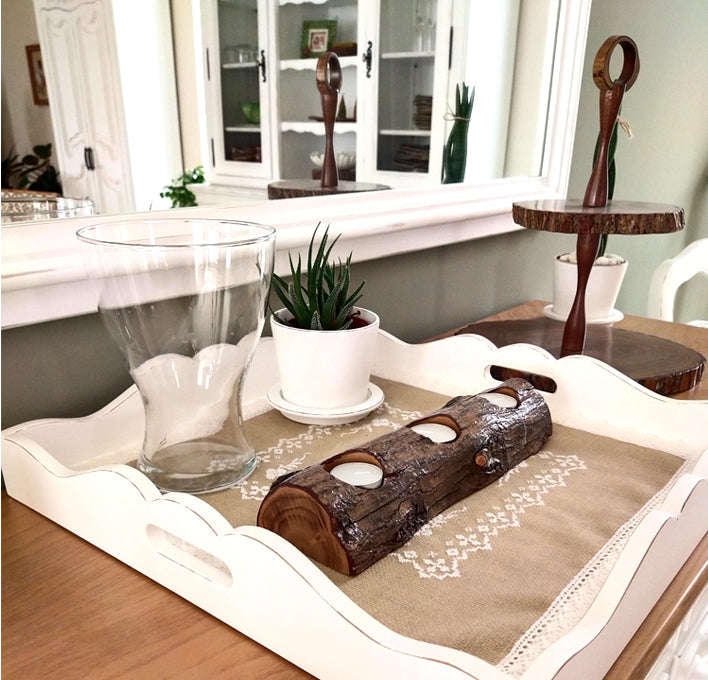
Traditional Ramadan Table Setting Ideas with a Contemporary Twist

Ramadan, the holy month of fasting and spiritual reflection for Muslims, is a time for family, community, and prayer. During this sacred month, Muslims fast from dawn until sunset, dedicating their time to worship, self-discipline, and charitable acts. As the day’s fast comes to an end, the iftar meal becomes a moment of joy and unity. The table where the family gathers to break their fast holds significant meaning, not just as a place to eat but also as a focal point for love, tradition, and celebration.

Ramadan table decoration is more than just an aesthetic choice—it is a way of creating an inviting, peaceful, and spiritually uplifting atmosphere for the family and guests. The decorations set the tone for the evening meal, enhance the spirit of Ramadan, and encourage mindfulness. Whether you’re hosting a grand iftar gathering or a simple family dinner, decorating the table thoughtfully can transform an ordinary meal into a memorable and meaningful experience.

The Significance of Table Decoration in Ramadan

In many cultures, the iftar meal is more than just a time to eat; it is a time for families to come together and share stories, prayers, and laughter. During Ramadan, the iftar table often becomes the centerpiece of the evening, symbolizing both the end of the fast and the unity of the community. A beautifully decorated Ramadan table can enhance the sense of sacredness, making the gathering feel more special and intentional.

Table decorations during Ramadan often reflect themes of spirituality, peace, unity, and gratitude. As the month is filled with devotion and worship, the decor serves as a reminder of the sacredness of the occasion. Whether simple or elaborate, Wedding gift s can be a way to showcase personal faith, express gratitude, and celebrate the beauty of this blessed month.

Key Elements of Ramadan Table Decoration

When considering how to decorate your Ramadan table, there are several key elements to keep in mind. From colors and textiles to centerpieces and lighting, each element contributes to creating a warm, inviting, and serene atmosphere.

1. Color Palette: Soft and Reflective Tones

Colors play a pivotal role in setting the mood for Ramadan. During this holy month, shades that evoke peace, serenity, and spirituality are preferred. Common colors include:

  • Gold and Silver: These colors represent luxury and elegance, and they also symbolize light, which holds significant meaning during Ramadan. Gold accents can add a touch of warmth and richness to the table.
  • Green: Often associated with Islam, green symbolizes growth, renewal, and paradise. It is a color that conveys peace and harmony.
  • White: White is a symbol of purity and simplicity. It represents the essence of Ramadan, which is about purity of soul and closeness to Allah.
  • Blue: Soft, calming shades of blue reflect tranquility and peace, making them an ideal choice for a peaceful dining experience.

By using these colors in your tablecloths, napkins, dishes, and centerpieces, you create a calming and reflective atmosphere for breaking the fast.

2. Lighting: Creating a Soft, Cozy Glow

Lighting plays an essential role in Ramadan table decoration, setting the tone for the meal. As Ramadan occurs during the night, lighting choices should be soft and warm to create an intimate, tranquil environment. Here are some lighting ideas:

  • Candles: The flicker of candles is symbolic of light and guidance, reminding Muslims of the divine light during this holy time. Lantern-style candles or traditional oil lamps can be used to add a touch of elegance and tradition to your table.
  • Fairy Lights: Stringing fairy lights around the table or above it can create a magical, warm atmosphere. They add a sense of joy and celebration, perfect for the spirit of Ramadan.
  • Lanterns: Decorative lanterns, especially those with intricate designs, have deep cultural significance in many Muslim-majority countries. These can be placed as centerpieces or hung around the table to enhance the ambiance.

3. Tableware: Elegant and Practical

The right tableware is crucial in setting a beautiful and functional iftar table. During Ramadan, tableware should reflect both elegance and practicality. Here are some tips:

  • Charger Plates: A charger plate, which is placed underneath the dinner plate, adds a touch of elegance. You can choose metallic plates in gold, silver, or bronze for a luxurious feel.
  • Traditional Glassware: Using glasses that are decorated with Arabic calligraphy or intricate patterns can enhance the table’s aesthetic and add a personal touch. Opt for glassware with elegant lines or colored accents to complement the rest of the decor.
  • Serving Platters and Bowls: Ramadan tables are often filled with a variety of foods, so using decorative platters and bowls can add a sense of grandeur and practicality. Choose platters with intricate designs or traditional motifs to create a festive atmosphere.

4. Table Linens: Soft Fabrics for Comfort

Table linens are an important part of setting the scene. Soft, luxurious fabrics can enhance the comfort of the dining experience and make the table feel more inviting. Consider using:

  • Tablecloths: Opt for a tablecloth that complements the colors and overall theme of the table. Fabrics like linen or cotton work well and offer a clean, polished look.
  • Napkins: Cloth napkins in rich tones like gold, silver, or deep green can be folded into intricate designs or placed in napkin rings to elevate the table's elegance.
  • Table Runners: A table runner in a contrasting color or a material like satin can add texture and depth to the table. It helps break up the solid color of the tablecloth and draws attention to the center of the table.

5. Centerpieces: Meaningful and Beautiful

The centerpiece of a Ramadan table is where all eyes will be drawn. It should reflect the themes of the holy month—spirituality, unity, and gratitude. Here are some ideas for stunning Ramadan centerpieces:

  • Dates and Water: Dates are a symbol of the first food to break the fast, and water is essential to replenish the body. Displaying a beautiful bowl of dates and a water jug can act as a simple yet meaningful centerpiece.
  • Fresh Flowers: Use fresh flowers like white lilies or roses to symbolize purity and beauty. These can be placed in elegant vases or bowls to brighten the table.
  • Islamic Calligraphy: A small piece of Islamic calligraphy or a Quran verse can be placed as the focal point of the table. This adds a spiritual element that reminds everyone of the purpose of Ramadan.
  • Crescent Moon and Stars: These symbols are widely recognized during Ramadan. Using moon and star decorations can represent the lunar calendar and the special significance of the month.

6. Sweets and Desserts: A Sweet Finish

No Ramadan table is complete without a variety of sweets and desserts. In many Muslim cultures, special Ramadan treats are prepared to celebrate the end of the fast. Incorporate these treats into the table design by placing them in beautiful dishes, such as:

  • Baklava: The rich, flaky layers of baklava can be placed in an ornate dish to add both flavor and elegance.
  • Kunafa: This popular dessert can be served in small, individual portions to enhance the table’s aesthetic while offering a delicious end to the meal.
  • Fruit Platters: Fresh fruit, especially melons, berries, and pomegranates, offer a refreshing end to the meal. Arrange them artfully on a large platter.

7. Personal Touches: Creating a Welcoming Atmosphere

Personalizing your Ramadan table is a wonderful way to make guests feel special and appreciated. Simple touches like:

  • Place Cards: Place cards with the names of your guests can add an intimate and thoughtful element to your table. You can write a short prayer or a Quran verse on each card to add a spiritual touch.
  • Gift Bags: Small gift bags or favors containing items like prayer beads, miniature Qurans, or even a few dates are a thoughtful gesture to send guests home with a keepsake of the evening.

Conclusion

Ramadan table decoration is an expression of love, gratitude, and faith. By thoughtfully selecting colors, lighting, tableware, and meaningful decorations, you can create a warm, inviting, and spiritually uplifting atmosphere for family and friends to enjoy. Whether you choose a simple, elegant style or an elaborate, festive design, the goal is to enhance the feeling of togetherness, unity, and reflection that defines the holy month of Ramadan.


Leave a Reply

Your email address will not be published. Required fields are marked *

Related Post

The French Connection Hello – A Musical Greeting That Transcends BordersThe French Connection Hello – A Musical Greeting That Transcends Borders

“The the french connection hello Connection Hello” represents a timeless invitation into the world of rhythm, emotion, and culture that defines the creative spirit of France. More than just a title, it’s a symbolic greeting from one of the most influential musical collectives of the modern era. The French Connection is known for its fusion of electronic beats, soulful harmonies, and cinematic soundscapes that echo the nation’s rich artistic heritage. “Hello” captures the warmth and sophistication that this group has consistently delivered throughout their career, welcoming listeners into an immersive experience of melody and message.

The track and its concept celebrate the universal language of music—one that transcends borders, uniting people through shared emotions and energy. The French Connection’s artistry often blends retro influences with modern production, creating sounds that are both nostalgic and refreshingly new. Their work bridges the gap between the traditional and the futuristic, reflecting France’s dynamic evolution in the global music scene.

Fans often describe “The French Connection Hello” as an anthem of introduction—an entry point into the collective’s world of layered beats and heartfelt lyrics. It’s not just a song; it’s a statement of connection. Through this project, The French Connection reminds us that music is a form of communication that goes beyond language, expressing warmth, curiosity, and creative unity.

Soda Music Download最新版全面解析:如何安全高效获取Soda音乐下载资源并畅享高品质音乐体验的完整指南Soda Music Download最新版全面解析:如何安全高效获取Soda音乐下载资源并畅享高品质音乐体验的完整指南


在当今数字音乐快速发展的时代,越来越多的用户开始依赖各种音乐应用来满足日常娱乐需求,其中Soda Music凭借简洁的界面设计与丰富的曲库资源,逐渐成为不少音乐爱好者关注的热门工具。Soda Music Download这一关键词也因此频繁出现在搜索引擎中,代表着用户希望快速、安全地获取该应用或其音乐内容的需求。无论是用于离线收听还是提升音乐体验,了解正确的下载方式都显得尤为重要。

Soda Music通常被视为一种集在线播放与本地缓存功能于一体的音乐平台,它允许用户在网络条件良好的情况下在线收听,同时也支持将喜欢的歌曲下载到本地设备,以便在无网络环境下继续享受音乐。这种功能对于经常通勤、旅行或网络不稳定的用户来说尤为实用。通过合理使用Soda Music Download功能,用户可以有效节省流量,同时获得更加流畅的播放体验。

在进行Soda Music下载时,用户需要特别注意来源的安全性。目前网络上存在大量第三方下载渠道,但并非所有渠道都具备安全保障。一些非官方来源可能存在广告过多、版本不稳定甚至潜在安全风险的问题。因此,建议用户优先选择官方应用商店或可信平台进行下载,以确保软件的完整性与安全性。同时,定期更新应用版本也有助于提升性能与修复潜在问题。

从使用体验角度来看, 汽水音乐下载 的优势不仅在于下载功能,还体现在其智能推荐系统与个性化歌单功能上。系统会根据用户的播放历史和喜好,自动推荐相关音乐内容,使用户能够不断发现新的音乐风格与艺术家。这种个性化体验大大提升了用户粘性,也让音乐探索变得更加有趣和高效。对于喜欢收藏音乐的用户来说,下载功能则进一步增强了平台的实用价值。

此外,在使用Soda Music Download功能时,还需要关注存储空间管理问题。由于高音质音乐文件通常占用较大空间,用户应合理规划手机或设备的存储资源,定期清理不必要的缓存文件,以保持设备运行流畅。同时,选择合适的音质等级进行下载,也可以在音质与空间占用之间取得平衡,从而获得更优的使用体验。

总体而言,Soda Music Download不仅仅是一个简单的下载行为,更是一种提升音乐生活质量的方式。通过安全渠道获取应用、合理使用下载功能以及优化存储管理,用户可以充分发挥Soda Music的全部潜力。在未来,随着数字音乐技术的不断进步,这类音乐平台也将继续优化用户体验,为全球音乐爱好者带来更加便捷与丰富的听觉享受。

10 Necessity Construction Materials You Need To Know10 Necessity Construction Materials You Need To Know

When it comes to edifice anything, whether it 39;s a house, a bridge, or a skyscraper, the materials used play a crucial role in determinative the strength, strength, and overall tone of the social system. As engineering advances, so does the range of twist materials available, making it requirement for builders and construction companies to be well-informed about the up-to-the-minute options. In this clause, we will talk over the top 10 requirement construction materials that you need to know about.

1. learn more Concrete is one of the most usually used twist materials, and for a good reason. Its versatility, potency, and low cost make it a popular choice for a wide straddle of projects. It is composed of , irrigate, and aggregates such as sand, stupefy, and rough pit, making it hardline and durable for edifice structures.

2. Brick Brick is another wide used construction stuff that has been around for centuries. It is made from clay or concrete and is known for its enduringness and power to stand firm extreme brave conditions. Bricks come in different sizes, textures, and colors, giving builders options to create unusual and magnetic structures.

3. Steel Steel is an requirement construction stuff used for its strong, malleable, and versatile properties. It is used to reward structures made of concrete, as well as for edifice Bridges, high-rise buildings, and other vauntingly structures. Its power to resist high pressure and its fire-resistant nature make it a staple in the construction industry.

4. Wood Wood has been used in construction for centuries and clay a nonclassical stuff even in Bodoni font multiplication. Its natural warmth, peach, and sustainability make it a great choice for both aesthetic and functional purposes. Wood is normally used for framing, floor, and interior plan elements in buildings.

5. Glass Glass may not be the first material that comes to mind when we think of construction, but it plays an requisite role in modern font architecture. Its transparence and power to reflect get off make it nonsuch for use in windows and skylights, allowing natural get off to enter buildings. It is also used for ornamental purposes, such as in facades and inside plan .

6. Asphalt Asphalt is a pop construction stuff used for roads, parking lots, and other outdoor surfaces. It is a commixture of aggregates such as sand, pose, and crushed pit, held together by a dressing agent. Its tractability, lastingness, and underground to brave and heavy dealings make it an nonpareil pick for outdoor pavement.

7. Plaster Plaster is a edifice stuff made of , sand, and water, used for walls and ceilings. It provides a smooth over and even come up, making it an requirement component part in interior finish. It is also used for nonfunctional purposes, such as creating complex designs on walls and ceilings.

8. Ceramic Tiles Ceramic tiles are a nonclassical option for floor, walls, and other surfaces in both act and commercial buildings. They are serviceable, easy to clean, and come in a variety of colors, patterns, and designs. Ceramic tiles are made from clay, burned by heat and coated with a glaze for added tribute.

9. Insulation Materials Insulation materials are requisite for maintaining comfortable temperatures and reducing vitality in buildings. Materials such as fiberglass, foam, and are used to provide thermal underground and vocalize absorption. They are commonly used in walls, ceilings, and attics.

10. Roofing Materials Last but certainly not least, roofing materials are crucial for providing protection to buildings from elements such as rain, wind, and sun. Materials commonly used for roofing include zoster, metallic element, and clay tiles, each with their own advantages and drawbacks. The option of roofing material depends on factors such as budget, climate, and design.

In ending, construction materials are the edifice blocks of any structure, and getting to know them is requirement for any construction picture. From the foundations to the finish touches, each material serves its purpose in creating safe, durable, and visually sympathetic buildings. As applied science and invention continue to throw out, we can expect to see new and cleared construction materials in the hereafter.

주소타운: Enhancing Privacy and Security in Location Sharing주소타운: Enhancing Privacy and Security in Location Sharing

In a digital age where personal information is increasingly vulnerable, privacy and security have become central concerns. 주소타운 (Address Town) provides an innovative solution that not only improves location accuracy but also protects users' privacy by offering a secure platform for sharing addresses.

The Privacy Concerns of Traditional Addressing Systems

Traditional physical addressing systems involve sharing personal information, which can sometimes lead to security risks. From data breaches to unwanted solicitations, sharing your address can sometimes be a hassle. However, with 주소타운, users are given the option to share a digital address that only contains necessary location information without compromising their privacy.

How 주소타운 Ensures Security

Address security is a major feature of 주소타운. Since 주소타운 addresses can be encrypted and shared selectively, users are in full control of who sees their information. This addresses concerns over data theft and privacy violations that have become more prevalent with the rise of online services. Moreover, by integrating with blockchain technology, 주소타운 could offer even more secure ways to protect users' locations.

Future Potential of Secure Address Sharing

As the world continues to embrace smart technologies, privacy will remain a key concern. The future of 주소타운 includes further advancements in security protocols, ensuring that users can safely share their location without worrying about data leaks or misuse.

The Hijri Calendar: Understanding The Islamic Lunar SystemThe Hijri Calendar: Understanding The Islamic Lunar System

The Hijri calendar, also known as the Islamic calendar, is one of the most important timekeeping systems in the Muslim world. It serves not only as a guide for religious observances but also as a reflection of the Islamic connection to nature, spirituality, and the lunar cycle. Unlike the Gregorian calendar, which is based on the movement of the sun, the Hijri calendar follows the phases of the moon, making it a purely lunar calendar. This distinction means that Islamic months move through the seasons over time, creating a unique rhythm that ties Muslim life closely to the cosmos.

The origin of the Hijri calendar dates back to the time of Caliph Umar ibn al-Khattab, the second caliph of Islam. It was during his rule, in the year 638 CE, that the calendar was officially established. The starting point, or the first year of the Hijri era, corresponds to the Hijrah, or the migration of the Prophet Muhammad (peace be upon him) from Mecca to Medina in 622 CE. This event marks a turning point in Islamic history, symbolizing the transition from persecution to the establishment of a strong, united Muslim community. Therefore, the calendar does not simply measure time—it represents the beginning of a new era of faith, perseverance, and brotherhood.

The Hijri التاريخ اليوم consists of 12 lunar months, each with either 29 or 30 days, depending on the sighting of the crescent moon. This results in a year that is approximately 354 days long, which is about 11 days shorter than the solar Gregorian year. Because of this difference, Islamic months move backward through the seasons every year. For example, Ramadan, the month of fasting, may fall in the summer one decade and in the winter a few decades later. This rotation emphasizes that Islamic rituals are not tied to specific climates or agricultural cycles, but rather to a divine rhythm determined by the moon’s movement.

Each month of the Hijri calendar carries deep spiritual and historical significance. The first month, Muharram, is one of the four sacred months in Islam when warfare is traditionally forbidden. The tenth day of Muharram, known as Ashura, is a day of fasting and remembrance that holds different meanings for various Muslim communities. The following month, Safar, is historically viewed as a time of challenges and trials. Rabi al-Awwal is particularly special because it is believed to be the month in which the Prophet Muhammad (PBUH) was born. Rabi al-Thani, Jumada al-Ula, and Jumada al-Thani are mid-year months often used for social and economic activities in historical Islamic societies.

Then comes Rajab, another sacred month, known as a time of increased devotion and spiritual reflection. It precedes Sha’ban, which prepares Muslims for Ramadan, the holiest month of all. Ramadan is the ninth month and holds immense significance, as it is when the Qur’an was revealed to the Prophet Muhammad (PBUH). During Ramadan, Muslims fast from dawn to sunset, engage in extra prayers, and deepen their connection with Allah. Following Ramadan is Shawwal, the month that begins with Eid al-Fitr, a joyous celebration marking the end of fasting. Dhul-Qa’dah is another sacred month, often seen as a time of peace and preparation, followed by Dhul-Hijjah, the final and most sacred month, during which Muslims from around the world perform the Hajj pilgrimage in Mecca. The tenth day of Dhul-Hijjah is Eid al-Adha, a festival commemorating the willingness of Prophet Ibrahim (Abraham) to sacrifice his son in obedience to Allah.

Because the Hijri calendar relies on the lunar sighting, it often brings communities together to observe the sky and declare the beginning of a new month. The practice of moon sighting holds cultural and spiritual value across Muslim countries. While modern technology has introduced astronomical calculations that can predict lunar phases accurately, many Muslims still prefer to rely on traditional methods to maintain the spirit of unity and authenticity. This interaction between tradition and science shows how the Hijri calendar continues to evolve while preserving its sacred essence.

In today’s world, the Hijri calendar remains vital for Muslims worldwide. It determines the timing of key religious observances such as Ramadan, Hajj, Eid al-Fitr, and Eid al-Adha. Many Islamic countries, including Saudi Arabia, use the Hijri calendar officially for religious and administrative purposes. Other nations use it alongside the Gregorian calendar to ensure alignment with global systems while maintaining religious identity. Mobile applications and websites now make it easy for Muslims everywhere to convert between Hijri and Gregorian dates, reminding people of the calendar’s continued relevance in a modern, digital age.

Beyond its practical uses, the Hijri calendar symbolizes the Islamic worldview—one that connects human life to divine order. Its lunar nature reminds Muslims of the finiteness of time, the importance of renewal, and the cycle of life and death. Observing the moon each month fosters mindfulness and patience, qualities deeply valued in Islam. The ever-shifting months serve as a reminder that worldly life is temporary, and that faith and good deeds are what endure.

The Hijri calendar is therefore more than just a system for marking days; it is a spiritual compass guiding Muslims through time. It reflects history, devotion, and identity, uniting the global Muslim community under one divine rhythm. Whether used for planning religious events, recording historical milestones, or simply connecting with the moonlit sky, the Hijri calendar remains a timeless symbol of Islam’s deep respect for nature and faith.

In conclusion, the Hijri calendar stands as a profound expression of Islamic culture, history, and spirituality. It teaches Muslims the value of patience, reflection, and unity. From the migration of the Prophet Muhammad (PBUH) to the celebration of Eid, each date within this calendar carries meaning and purpose. In a fast-paced, modern world dominated by solar timekeeping, the Hijri calendar continues to shine as a lunar light of guidance, reminding believers of their roots, their faith, and the eternal cycles that govern both the heavens and the heart.