
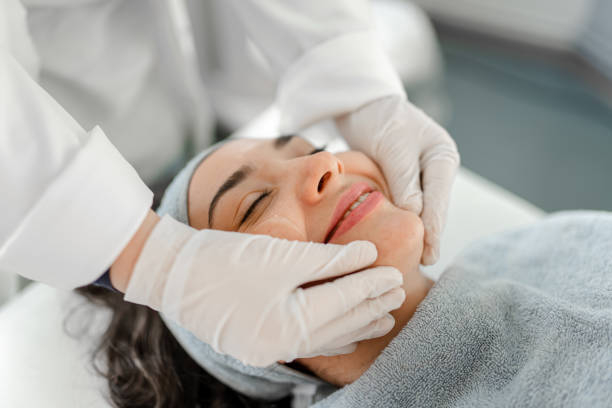
The Rise of Medical Beauty: How Innovation and Self-Care Are Changing Aesthetics

In recent years, the beauty industry has undergone a profound transformation. The traditional notion of beauty—often defined by flawless skin, youthful features, and ideal proportions—has expanded to embrace new technologies and techniques that allow individuals to enhance their appearance in more customized and effective ways. This evolution has given rise to medical beauty, a rapidly growing sector that merges medical science with cosmetic enhancement. From non-invasive treatments to cutting-edge skin therapies, medical beauty offers individuals the chance to improve their appearance in ways that were once reserved for the elite or required invasive procedures.

But what exactly does medical beauty entail, and how has it reshaped the beauty landscape? In this article, we will explore the world of medical beauty, its key treatments, the benefits it provides, and why it’s becoming such a popular choice for self-care in the modern age.

What Is Medical Beauty?

Medical beauty, often referred to as aesthetic medicine, encompasses a wide range of minimally invasive and non-surgical procedures that focus on enhancing a person’s physical appearance. These treatments can address various concerns such as wrinkles, skin texture, pigmentation, body contours, and even hair loss. Unlike traditional beauty treatments (like facials or makeup), medical beauty involves more specialized, scientifically-backed procedures often administered by licensed professionals, such as dermatologists, cosmetic surgeons, or trained medical aestheticians.

The hallmark of medical beauty is that it combines medical knowledge with cosmetic enhancements, ensuring that treatments are both effective and safe. With the rise of non-invasive options, more people are turning to medical beauty to achieve aesthetic goals without the need for traditional surgeries like facelifts or liposuction.

Why Medical Beauty Is Gaining Popularity

Medical beauty treatments have skyrocketed in popularity for several reasons. These factors have made them a desirable option for individuals seeking to enhance their appearance:

1. Non-Surgical Alternatives to Cosmetic Surgery

In contrast to traditional surgical procedures, medical 水光針效果 offers minimally invasive or non-invasive alternatives that come with fewer risks, reduced recovery times, and lower costs. For example, Botox, dermal fillers, and laser treatments offer clients noticeable results without the need for general anesthesia, incisions, or long recovery periods. The appeal of these less invasive options is clear: they offer a way to look younger, fresher, or more sculpted without the commitment of surgery.

2. Personalization and Customization

One of the greatest advantages of medical beauty is its highly personalized nature. Unlike one-size-fits-all beauty treatments, medical beauty procedures are tailored to the specific needs of each client. A dermatologist or medical professional will assess the individual’s skin type, concerns, and goals before recommending a personalized treatment plan. Whether it's Botox for wrinkle reduction, laser treatments for pigmentation, or fillers for volume restoration, medical beauty focuses on delivering results that align with each person's unique features.

3. Quick and Convenient Results

Time is precious, and many individuals today are looking for treatments that fit into their busy lifestyles. Most medical beauty procedures are quick—often requiring little to no downtime. For instance, Botox and dermal fillers can be administered in under an hour, allowing clients to go back to their daily routines immediately. Similarly, laser treatments and chemical peels can show results in a short amount of time with minimal recovery, making them ideal for people with hectic schedules.

4. Long-Lasting Effects

Many non-surgical procedures offer results that last from several months to over a year, depending on the treatment. Botox can last around 3 to 6 months, while dermal fillers can provide youthful volume for up to 18 months. Additionally, treatments like CoolSculpting can lead to permanent fat reduction, providing a long-term solution for body contouring. With such long-lasting effects, clients are often able to achieve desired results with fewer follow-up treatments, making medical beauty both cost-effective and time-efficient.

Popular Medical Beauty Treatments

The field of medical beauty is vast, with a wide range of treatments designed to address different cosmetic concerns. Below are some of the most popular treatments that have helped redefine the beauty industry:

1. Botox and Neurotoxins

Botox is one of the most famous and widely used injectable treatments in the medical beauty industry. It works by temporarily paralyzing the muscles that cause wrinkles, resulting in smoother, more youthful skin. Botox is commonly used to treat fine lines around the eyes (crow’s feet), forehead lines, and between the eyebrows (frown lines). Other neurotoxins like Dysport and Xeomin offer similar results.

2. Dermal Fillers

Dermal fillers are injectable substances used to restore volume and smooth out wrinkles. As we age, we lose fat and collagen in areas of the face, leading to sagging or hollowing of the skin. Dermal fillers can help reverse these effects by adding volume to the cheeks, lips, and under-eye areas, as well as smoothing out lines around the mouth and nose. Popular fillers include hyaluronic acid-based products like Juvederm and Restylane, which offer natural-looking, long-lasting results.

3. Laser Treatments

Lasers have revolutionized the way we treat skin imperfections. Various types of laser treatments can target specific skin concerns:

  • Fractional Laser Resurfacing: Used to treat skin texture issues, fine lines, and acne scars, fractional lasers stimulate collagen production and encourage skin renewal.
  • Laser Hair Removal: A highly effective way to permanently reduce unwanted hair, laser hair removal uses intense light to target and destroy hair follicles, preventing future growth.
  • Pigmentation Treatments: Lasers can also treat uneven skin tone, age spots, and hyperpigmentation by targeting the melanin in the skin, resulting in a clearer, more uniform complexion.

4. Chemical Peels

Chemical peels are designed to exfoliate the skin by removing the outermost layers of dead skin cells, encouraging the regeneration of healthier skin. This treatment can be used to treat a range of issues such as acne, hyperpigmentation, fine lines, and dull skin. Depending on the strength of the peel, it can range from superficial (for mild skin concerns) to deep (for more severe issues like scarring).

5. Microneedling

Microneedling, also known as collagen induction therapy, uses tiny needles to create controlled micro-injuries in the skin, stimulating collagen and elastin production. It is often used to improve the appearance of acne scars, stretch marks, and fine lines. Microneedling can also enhance the absorption of skincare products, allowing for better results when used alongside topical treatments.

6. Non-Surgical Fat Reduction

Non-invasive fat reduction treatments like CoolSculpting and SculpSure target localized fat deposits by using cooling or heat to break down fat cells. Over time, the body naturally eliminates these fat cells, leading to a slimmer, more contoured physique. These treatments are ideal for individuals who are close to their goal weight but struggle with stubborn areas of fat.

The Benefits of Medical Beauty

Beyond the immediate cosmetic improvements, medical beauty treatments offer several other advantages:

  • Minimal Risk: As these procedures are non-invasive or minimally invasive, the risk of complications is lower than that associated with traditional cosmetic surgery.
  • Natural Results: Skilled practitioners focus on enhancing natural features rather than altering them, allowing clients to look refreshed and youthful without the “overdone” appearance.
  • Boost in Confidence: Many individuals seek medical beauty treatments not just for aesthetic reasons but for the emotional boost they provide. The improvements in appearance can significantly enhance self-esteem and overall well-being.

The Future of Medical Beauty

The future of medical beauty is poised for even greater innovation, thanks to advances in technology, biotechnology, and personalized medicine. With the increasing demand for non-surgical treatments, the industry is likely to continue evolving toward more effective and accessible options. For example, AI-driven tools could soon be used to create highly personalized treatment plans, while new technologies may enable even faster, more precise results with fewer side effects.

Conclusion

Medical beauty has revolutionized how we approach self-care and aesthetic enhancement. Offering a wide range of non-invasive and minimally invasive treatments, it provides individuals with effective, safe, and long-lasting solutions to enhance their natural beauty. Whether you're looking to smooth wrinkles, sculpt your body, or rejuvenate your skin, the world of medical beauty offers countless options to help you achieve your aesthetic goals. With its growing popularity, medical beauty is poised to remain at the forefront of the beauty industry for years to come, enabling people to feel confident and empowered in their skin.

Leave a Reply

Your email address will not be published. Required fields are marked *

Related Post

Revolutionizing Sleep and ENT Solutions in Modern HealthcareRevolutionizing Sleep and ENT Solutions in Modern Healthcare

Sleep disorders such as insomnia and sleep apnea pose significant challenges to millions globally. Addressing these issues can improve quality of life and overall health. Recent trends have revealed innovative methods for tackling insomnia and sleep apnea, with one intriguing concept being How to cure insomnia in 12 minutes, a popular concept that’s gaining traction.

Tackling Sleep Apnea and Its Implications

Many people are left wondering, Is sleep apnea a disability? The implications of this condition are vast, affecting a person’s physical health and cognitive function. Treatment often involves lifestyle changes and medical devices like CPAP machines, which maintain an open airway during sleep.

The Role of ENT Specialists

An ENT (Ear, Nose, and Throat) specialist plays a crucial role in diagnosing and treating conditions like sleep apnea, allergies, and hearing loss. If you’re searching for an ENT near me, it’s essential to choose a reliable and experienced professional who can provide comprehensive care.

Addressing Sleep and ENT Disorders

Conditions such as allergy and hearing loss can significantly impact daily life, and their management often requires a multidisciplinary approach. An ENT specialist may recommend hearing aids or other interventions for hearing loss, while allergy treatments may involve medications or lifestyle adjustments.

Specialized Care for All Ages

Among the various specialties, Pedia ENT specialists cater specifically to children, addressing unique issues related to ear infections, nasal congestion, and more. Their expertise ensures that even the youngest patients receive the care they need to maintain healthy ears, noses, and throats.

For a comprehensive range of services and expert care in addressing these conditions, you can find more information at ENT, where a team of skilled professionals is dedicated to helping patients achieve better sleep and manage ENT-related health concerns effectively.

Therapie Bei Depression: Was Sie Wissen MüssenTherapie Bei Depression: Was Sie Wissen Müssen


Depressionen sind eine ernstzunehmende Erkrankung, die das Denken, Fühlen und Verhalten stark beeinflussen kann. Eine gezielte psychotherapeutische Behandlung hilft, diese Auswirkungen zu mindern und neue Strategien zur Bewältigung zu erlernen.

Zu den gängigsten Therapieformen bei Depressionen zählen die kognitive Verhaltenstherapie, die tiefenpsychologisch fundierte Psychotherapie und die interpersonelle Therapie. Jede dieser Methoden verfolgt unterschiedliche Ansätze, die auf verschiedene Aspekte der Erkrankung eingehen.

Eine der Herausforderungen bei der Behandlung von Depressionen ist die Motivation der Patienten, denn die Erkrankung selbst kann zu Antriebslosigkeit und Pessimismus führen. Hier setzt die Coaching vs. Psychotherapie an, um Schritt für Schritt neue Perspektiven und Handlungsmöglichkeiten zu eröffnen.

Online-Therapieformen haben sich in den letzten Jahren als flexible und niedrigschwellige Alternative etabliert, die gerade in Zeiten von Distanz und Isolation hilfreich sein können.

Die Dauer einer psychotherapeutischen Behandlung bei Depressionen variiert stark. Während einige Patienten bereits nach wenigen Wochen deutliche Verbesserungen spüren, benötigen andere eine langfristige Begleitung, um Rückfälle zu vermeiden.

Die Kombination von Psychotherapie und medikamentöser Behandlung wird häufig empfohlen, um die Symptome der Depression umfassend zu behandeln und den Therapieerfolg zu sichern.

Eine offene Diskussion über psychische Gesundheit trägt dazu bei, das Stigma rund um Depressionen abzubauen und den Zugang zu Therapieangeboten zu erleichtern.

Zusammenfassend ist die Psychotherapie ein wesentlicher Baustein in der Behandlung von Depressionen, der individuell angepasst werden muss, um den bestmöglichen Erfolg zu erzielen.

From Surviving to Thriving A Mental Wellness ResetFrom Surviving to Thriving A Mental Wellness Reset

In today’s fast-paced world, many of us move through life on autopilot—handling responsibilities, checking boxes, and pushing through stress. But there comes a moment when simply surviving no longer feels sustainable. What we truly crave is something deeper: the ability to thrive. A mental wellness reset is not about perfection or pretending everything is fine. It’s about giving yourself permission to slow down, reassess, and rebuild habits that support a healthier, more fulfilling life Luxury Rehab Marketing.

Understanding the Shift from Surviving to Thriving

Survival mode is not a flaw; it’s a natural response to overwhelm. When you’re juggling work, relationships, finances, or personal challenges, your mind and body prioritize short-term coping over long-term growth. The problem is that staying in survival mode for too long drains your energy, dims your motivation, and blurs your sense of purpose.

Thriving, on the other hand, means living with intention. It is about creating space for joy, clarity, creativity, and balance. A mental wellness reset helps bridge the gap—guiding you out of chronic stress and into a healthier, more empowered mindset.

Why a Mental Wellness Reset Matters

1. It Restores Emotional Balance

A reset allows you to take inventory of your emotional state. Instead of ignoring inner tension, you begin to acknowledge it. Emotional awareness is the first step toward healing and growth.

2. It Rebuilds Your Energy

When you’re constantly in survival mode, even simple tasks feel exhausting. Resetting your habits—sleep, nutrition, boundaries, routines—helps replenish your physical and mental energy.

3. It Creates Space for Clarity

A clear mind is powerful. When you reset mentally, you begin to see what’s truly important to you, and what you’ve been holding onto out of habit, fear, or pressure.

4. It Strengthens Resilience

Thriving isn’t about avoiding challenges; it’s about facing them with confidence. A wellness reset equips you with healthier coping mechanisms and a stronger mindset.

Steps to Begin Your Mental Wellness Reset

1. Slow Down and Breathe

A reset starts with stillness. Set aside a few quiet minutes each day to breathe deeply and reconnect with your body. Deep breathing activates the parasympathetic nervous system, helping you break out of stress mode.

2. Cleanse Your Mental Space

Just like decluttering a room, clearing mental clutter brings relief. Let go of negative self-talk, overthinking, or unrealistic expectations. Journaling or speaking to someone you trust can help lighten the load.

3. Set Boundaries That Protect Your Peace

Boundaries are an act of self-respect. Saying no, limiting toxic interactions, and managing your time better all help preserve your mental energy.

4. Rebuild Daily Rituals

Small, consistent habits create powerful transformations. Consider adding:

  • Morning check-ins with yourself

  • A nightly wind-down routine

  • Short walks or stretches during the day

  • Time for hobbies that spark joy

These rituals help shift your brain from survival to stability.

5. Practice Self-Compassion

Growth is not a straight line. Some days will be harder than others, and that’s okay. Treat yourself with the same kindness you would offer a loved one.

6. Surround Yourself with Uplifting Energy

Community matters. Spend time with people who encourage you, inspire you, and truly understand your journey. Positive environments nurture positive mindsets.

Signs Your Reset Is Working

As your mental wellness improves, you’ll begin to notice subtle but powerful changes:

  • You feel more present and grounded.

  • Stress becomes easier to manage.

  • You wake up with more energy.

  • You begin looking forward to things again.

  • You make decisions based on your values, not pressure.

These shifts are signs of inner alignment—and proof that you’re moving from merely surviving to truly thriving.

Final Thoughts: Give Yourself Permission to Begin

A mental wellness reset is not selfish; it’s essential. When you take care of your mind, you inspire others to do the same. You show up stronger, calmer, and more authentically in every area of life.

Your journey from surviving to thriving starts with one simple choice: deciding that your well-being matters. And it does—more than you know.

Trauma-informed Eft: Creating Safe Spaces For Emotional HealingTrauma-informed Eft: Creating Safe Spaces For Emotional Healing


In the earth of emotional remedial, refuge is not a opulence it’s a requirement. For individuals bread and butter with the aftereffects of trauma, healthful requires more than tools and techniques; it calls for bank, compassion, and an where one feels and physically procure. Trauma-Informed Emotional Freedom Techniques(EFT) offer just that a placate, venerating set about to tapping that prioritizes refuge, self-sufficiency, and emotional resilience Trauma-Informed EFT.

This clause explores how Trauma-Informed EFT helps make safe spaces where true sanative can begin.

What is EFT?

Emotional Freedom Techniques(EFT), often referred to as tapping, is a curative method acting that combines cognitive sharpen on emotional challenges with the physical act of tapping on specific Meridian points on the body. It s supported on principles from both modern font psychological science and antediluvian Chinese medicine, aiming to balance the body s vim system and reduce .

While EFT is effective for many issues including anxiousness, phobias, and physical pain it requires specialized care when used with individuals who have knowledgeable trauma.

Why Trauma-Informed EFT?

Trauma is not just an event it s an emotional injure that can shape how a someone experiences safety, connection, and self-worth. For trauma survivors, even well-intentioned interventions can touch off memories, drown, or if not handled with sensitiveness.

Trauma-Informed EFT ensures that the tapping work is conducted in a way that:

Recognizes the signs of trauma

Respects emotional boundaries

Prioritizes safety and empowerment

Promotes gradual, client-led healing

Principles of Creating a Safe Space in Trauma-Informed EFT

Safety Comes First Trauma survivors need to feel safe in their environment and within themselves. This includes natural science solace, emotional predictability, and a clear sense that they are in verify of the seance.

Empowerment Through Choice Clients are never unexpected to tap on painful memories or talk about past events unless they take to. They are underslung in qualification decisions about the pace, focus, and depth of the work.

Gentle, Present-Focused Tapping Instead of diving event into deep emotional wounds straightaway, Trauma-Informed EFT often starts with submit-moment feelings such as tension, fear, or uncomfortableness before coming past psychic trauma, if at all.

Grounding and Regulation Grounding techniques are organic into sessions to keep clients connected to the submit second. These may include respiration exercises, body awareness, and pausing tapping when needful.

Non-Judgment and Compassion A psychic trauma-informed approach is stacked on and sympathy. The goal isn t to fix someone, but to walk with them through their sanative journey with kindness and care.

What a Trauma-Informed EFT Session Looks Like

A psychic trauma-informed EFT sitting often begins with:

Checking in and physically

Setting an intention for the session

Using assuage setup phrases like, Even though I feel uncomfortable, I respect my feelings,

Tapping easy and intentionally, while watching for signs of overwhelm

Encouraging rest and self-care after the session

Practitioners also cue clients they can stop, break, or transfer sharpen at any time further reinforcing a feel of refuge and delegacy.

The Role of the Practitioner

For practitioners, being psychic trauma-informed substance:

Educating themselves on the touch on of trauma

Practicing deep listening and emotional attunement

Avoiding assumptions about what a node needs to do to heal

Creating a welcoming space physically, , and energetically

Even self-practitioners can take a trauma-informed set about by treating themselves with the same care and patience.

Why Safe Spaces Matter in Emotional Healing

Healing cannot come about in a put forward of fear or feeling distress. Safe spaces ply a container for vulnerability, allowing individuals to utter and free emotions without judgement or harm.

In psychic trauma-informed EFT, the focus on isn t just on tapping away symptoms it s on creating a pity where alterative becomes possible, property, and empowering.

Final Thoughts

Trauma-Informed EFT is more than a technique it s a philosophical system of care. It teaches us that sanative is not about forcing get along but about merging ourselves(or others) with solitaire, presence, and compassion. By creating safe spaces for emotional healthful, Trauma-Informed EFT honors the deep bravery it takes to heal and offers a placate path toward peace.

Hoe Je Kan Wiet Zorgvuldig Te Gebruiken: Een Nieuwe Handleiding Betreffende Volledig Nieuwe Eindgebruikers Zoekend Naar Zeker Veilige OnderzoekenHoe Je Kan Wiet Zorgvuldig Te Gebruiken: Een Nieuwe Handleiding Betreffende Volledig Nieuwe Eindgebruikers Zoekend Naar Zeker Veilige Onderzoeken


Door de tijd heen is cannabis steeds belangrijker geworden in Nederland. Wat vroeger als taboe werd beschouwd, is nu een onderwerp van intensieve maatschappelijke, politieke en economische discussie. Nederland werd jarenlang gezien als een van de meest liberale landen ter wereld op het gebied van softdrugs, vooral cannabis. In de jaren zeventig ontstond deze reputatie door het gedoogbeleid dat kleine hoeveelheden cannabis toestond zonder strafrechtelijke vervolging. Coffeeshops mochten onder strikte voorwaarden cannabis verkopen, wat leidde tot een unieke situatie in vergelijking met de rest van de wereld.

De realiteit is echter complexer dan de mythe. Hoewel de verkoop aan consumenten in coffeeshops is toegestaan, blijft de productie en levering aan deze winkels officieel verboden. Dit zogenaamde ‘achterdeurbeleid’ zorgt voor juridische grijze gebieden. Deze onduidelijkheid wordt uitgebuit door criminele organisaties, wat de roep om regulering versterkt. In recente jaren zijn er stappen gezet richting regulering van de teelt, met experimenten zoals het ‘Wietexperiment’, waarbij geselecteerde gemeenten legale telers toestaan om onder toezicht cannabis te produceren en te leveren aan coffeeshops.

Er is ook een groeiende maatschappelijke steun voor cannabis. Steeds meer Nederlanders beschouwen cannabis niet als een gevaarlijke drug, maar als een natuurlijk middel dat verantwoord gebruikt kan worden. Cannabis wordt ook steeds vaker ingezet voor medische doeleinden, zoals bij chronische pijn, epilepsie of slaapstoornissen. Studies laten zien dat cannabis, wanneer zorgvuldig gebruikt, de levenskwaliteit van patiënten kan bevorderen. Deze inzichten zorgen voor meer druk op de overheid om medische cannabis toegankelijker te maken en regels te versoepelen.

Ook de economische gevolgen van cannabis zijn aanzienlijk. De cannabismarkt, zowel voor recreatief als medisch gebruik, groeit sterk. Er ontstaan kansen voor bedrijven, kwekers, apotheken en toeristische industrieën. Nederland trekt ook veel toeristen die specifiek coffeeshops willen bezoeken. Toch zijn er ook zorgen: steden zoals Amsterdam overwegen maatregelen om het ‘drugstoerisme’ te beperken om overlast tegen te gaan. Beleidsmakers staan voor de uitdaging om economische en sociale belangen af te wegen.

De toekomst van cannabis in Nederland lijkt te liggen in verdere regulering en professionalisering. Door internationale legalisaties wordt ook in Nederland het debat over volledige legalisatie gevoerd. Een volledig gereguleerde markt kan criminaliteit terugdringen en de kwaliteit en veiligheid van cannabisproducten verbeteren.

Het is duidelijk dat thc pen een vaste plek heeft verworven in het publieke debat in Nederland. Of het nu over gezondheid, economie of wetgeving gaat, cannabis blijft een actueel en complex onderwerp. De komende jaren zullen cruciaal zijn in het vormgeven van een toekomst waarin cannabis op een verantwoorde en veilige manier een plaats kan krijgen binnen de samenleving.