Anaerobic Exercise Supplements Boosting Fitness And Performance

Bodybuilding is an intensive modus vivendi stern a well-structured diet, demanding preparation, and sequence potency. To optimise musculus increment and retrieval, bodybuilders often turn to anaerobic exercise supplements. They are technical fitness aids designed to add on the diet of an person and incit one’s bodybuilding travel. Whether you are a professional bodybuilder or just someone who loves to hit the weight room, musclebuilding supplements can bring on you one step closer to your seaworthiness goals.

Protein supplements are a must-have in any muscle building regime. They are crucial for muscle repair and growth as they provide your body with requirement amino acids. Whey protein, for illustrate, is a fast-absorbing protein nonpareil for post-workout recovery. Casein protein, on the other hand, step by step releases amino group acids qualification it fantabulous for overwhelming before bed. Vegan-friendly alternatives, such as soy and pea protein, have also gained popularity in Recent geezerhood.

Another nonclassical bodybuilding append is Creatine. It helps the body produce more energy, especially during high-intensity workouts, enhancing public presentation, and speeding up muscle increment. In addition, numerous studies have documented to its refuge profile and efficacy. It’s Charles Frederick Worth noting that while healthful, Creatine is best utilized by those acting high-intensity preparation. However, those on a stringently cardio regimen might not go through its full benefits.

Branched-chain amino acids(BCAAs) are another set of requisite nutrients that bodybuilders often incorporate into their preparation programme. BCAAs of three amino group acids leucine, isoleucine, and valine, which play a crucial role in musculus increase and recovery. They facilitate protein synthesis, reduce musculus fag out, and decrease muscle tenderness post-workout.

There are also fat burners, like conjugate linoleic acid(CLA) and L-carnitine, that can support your fat loss travel. They work by multiplicative your metamorphosis, electrocution calories, and up body composition. Presenting a synergistic set up with a equal diet and fixture exercise, these fat burners can give you that spear carrier push towards your musclebuilding goals.

Lastly, it s material to understand that while musclebuilding supplements play a validatory role in your seaworthiness travel, they aren’t magic bullets. A balanced diet, regular work out, and a sound lifestyle are just as prodigious. You should always look up with a health care professional person before adding any anavar to your regime. In bodybuilding, as in life, it’s about holistic wellness and well-being, and not just about getting larger muscles.

Leave a Reply

Your email address will not be published. Required fields are marked *

Related Post

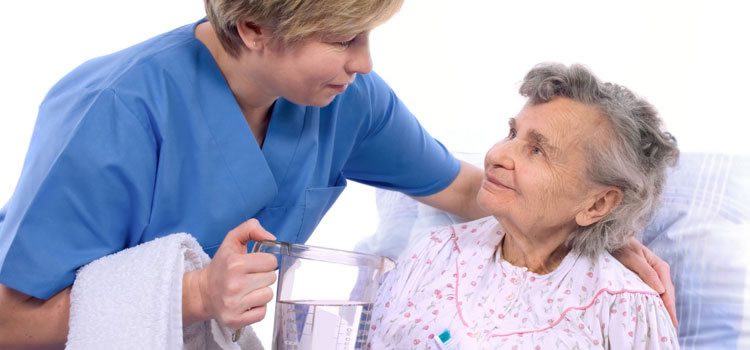
Ensuring Comfort and Care for Our Seniors: The Importance of Elderly Support ServicesEnsuring Comfort and Care for Our Seniors: The Importance of Elderly Support Services

As our loved ones age, it becomes increasingly important to ensure they have access to the support and 上門護士 they need to maintain their health, safety, and overall well-being. At ElderlyDB.hk, we recognize the importance of providing quality care options for seniors in Hong Kong. Our platform is designed to assist families in finding the most suitable elderly care services, whether it’s residential care, day care, or home care support.

The elderly often have unique healthcare needs that require specialized care, and it’s crucial to choose the right facility or service that can meet those needs. ElderlyDB.hk offers an extensive directory of elderly homes and care providers, with detailed information on available services, amenities, and pricing, allowing families to make informed decisions based on their loved ones’ specific requirements.

Moreover, we understand that navigating the world of elderly care can be overwhelming, especially when there are financial considerations and emotional factors at play. Our platform provides helpful tools such as cost calculators, subsidy information, and expert advice to ensure families find care solutions that are both effective and affordable.

Whether it’s finding a facility with trained medical staff, a place that provides daily activities and companionship, or a caregiver who can assist at home, ElderlyDB.hk offers the resources to help families make the best possible choices for their elderly loved ones. We believe that every senior deserves respect, care, and comfort in their later years, and we are here to help make that a reality.

Rosacea Skincare Do   s and Don   ts     Tips from the ExpertsRosacea Skincare Do   s and Don   ts     Tips from the Experts

Tailored Solutions for Beautiful Skin
At Skin Revival Specialist, we provide cutting-edge skin treatments to address various skin concerns. Our tailored approach focuses on enhancing skin health and delivering personalised care to every client.

If you’re living with rosacea, you already know that managing it can feel like walking a tightrope. A product that works for one person may cause a flare-up in another. That’s why choosing the right skincare habits is critical. At Skin Revival Specialist, our clients frequently ask us for practical advice to keep their skin calm and balanced between appointments.

This blog outlines the essential do’s and don’ts of daily skincare for those undergoing or maintaining rosacea treatments.

DO: Choose Gentle Cleansers

Rosacea-prone skin is extremely sensitive, and harsh cleansers can strip away the protective barrier. Look for fragrance-free, sulfate-free cleansers that offer hydration without aggressive exfoliation.

Tip: Use lukewarm water when cleansing. Hot water can trigger flare-ups.

DON’T: Use Physical Exfoliants

Scrubs and exfoliating brushes may feel satisfying, but they’re a disaster for rosacea skin. Physical exfoliation can cause micro-tears and inflammation.

Instead: Opt for enzyme-based or lactic acid products under professional supervision.

DO: Moisturise Regularly

Hydration is a key component of effective rosacea treatments. A compromised moisture barrier can increase sensitivity and redness.

Look for: Ingredients like hyaluronic acid, ceramides, and niacinamide which hydrate and calm.

DON’T: Skip Sunscreen

UV exposure is one of the most common rosacea triggers. A broad-spectrum SPF 30+ is non-negotiable.

Choose: Mineral sunscreens with zinc oxide or titanium dioxide that are non-comedogenic and fragrance-free.

DO: Test New Products

Always patch-test a new product before applying it to your entire face. Even if it’s labeled “rosacea-friendly,” your skin may react differently.

Tip: Apply behind the ear or under the jawline and observe for 48 hours.

DON’T: Self-Diagnose

It’s tempting to treat flare-ups on your own, especially with the abundance of online advice. But rosacea is complex and requires professional guidance.

At Skin Revival Specialist, we provide tailored consultations and expert insight to help you avoid ineffective or harmful treatments.

DO: Keep a Skin Journal

Track what you eat, drink, and apply to your skin, especially when you notice flare-ups. This makes it easier to identify and avoid triggers over time.

Track: Foods (like spicy dishes or dairy), weather conditions, stress levels, and new products.

DON’T: Overuse Topical Steroids

Though they may offer short-term relief, long-term use of steroid creams can worsen rosacea symptoms and cause skin thinning.

Talk to us first before applying any medications, especially if they haven’t been prescribed for your specific needs.

DO: Consider Professional Treatments

Technology and science have advanced significantly in treating rosacea. Services like LED therapy, IPL, and customized facials offer long-term benefits when administered by trained professionals.

At Skin Revival Specialist, our curated rosacea treatments are safe, effective, and designed to give your skin the long-term care it deserves.

Final Thought

Managing rosacea takes time, patience, and expert care. With the right routine and a partnership with a skilled skincare team, calm, clear skin is within reach.

Exploring the World of Medical Beauty: Redefining Aesthetics with Science and InnovationExploring the World of Medical Beauty: Redefining Aesthetics with Science and Innovation

In today’s world, beauty is no longer limited to makeup, skincare routines, or diet plans. The realm of medical beauty has emerged as a significant industry, offering advanced treatments that promise not only to enhance one’s appearance but also to improve overall skin health and well-being. With medical beauty, the line between traditional cosmetics and medical-grade procedures is increasingly blurred, offering individuals a non-invasive or minimally invasive way to achieve their beauty goals.

Gone are the days when cosmetic surgery was the only option for achieving a youthful, radiant look. Non-surgical treatments now offer impressive results, with little to no downtime. But what exactly is medical beauty? What treatments does it encompass, and why has it become such a popular choice? In this article, we will explore the growing world of medical beauty, the science behind it, and the treatments that are reshaping the way we view aesthetics.

What Is Medical Beauty?

At its core, medical beauty refers to a wide range of non-surgical procedures aimed at improving, enhancing, or rejuvenating the appearance of the face and body. This field combines cutting-edge medical technology with aesthetic procedures, allowing people to correct skin imperfections, reduce signs of aging, or enhance facial features without undergoing invasive surgery.

Medical beauty procedures are typically performed by licensed professionals such as dermatologists, plastic surgeons, or certified medical aestheticians. Unlike traditional beauty treatments, which focus mainly on topical or superficial care, medical beauty is rooted in science and backed by years of research and clinical practice. Treatments are designed not only to address cosmetic concerns but also to promote overall skin health, making them a great option for anyone seeking to maintain or enhance their natural beauty.

Why Medical Beauty Is Becoming So Popular

The rise in medical beauty can be attributed to several factors. As technology advances, the demand for non-invasive procedures has grown, offering more accessible solutions that don’t involve the risks and recovery times of traditional surgeries. Here are some key reasons why medical beauty has gained such popularity:

1. Non-Invasive or Minimally Invasive Procedures

One of the main reasons people are turning to medical beauty treatments is that they are typically less invasive than traditional cosmetic surgery. Many of the most popular procedures, such as Botox injections, dermal fillers, and laser treatments, require little to no downtime, which makes them appealing to those with busy lives. In contrast to surgical options, which can involve long recovery periods and scarring, these treatments offer a quicker and safer way to achieve aesthetic goals.

2. Customization and Personalization

Medical beauty procedures are highly customizable, which means they can be tailored to an individual’s specific concerns and goals. Whether it's treating fine lines, acne scars, or excess fat, medical professionals assess a person’s skin type, facial structure, and age before suggesting a treatment plan. This personalized approach ensures that the results are natural and well-suited to each client.

3. Long-Lasting Results

Unlike many traditional beauty treatments that provide only temporary improvements, medical beauty procedures offer long-lasting results. Treatments like Botox and dermal fillers can last several months to over a year, while non-surgical fat reduction procedures can provide permanent results after a series of sessions. The durability of these treatments ensures that individuals can enjoy the benefits of their procedures for a long time before needing a touch-up.

4. Low Risk and Quick Recovery

Medical beauty procedures, when performed by a qualified professional, carry a low risk of complications. Because they are minimally invasive, most treatments have fewer side effects and complications than surgery. Additionally, recovery time is minimal for many procedures. Most individuals can resume their daily activities immediately after treatment, with only slight redness or swelling in some cases.

Popular Medical Beauty Treatments

Medical beauty encompasses a wide range of procedures that target various areas of the face and body. Here are some of the most popular treatments in the field:

1. Botox and Neurotoxin Injections

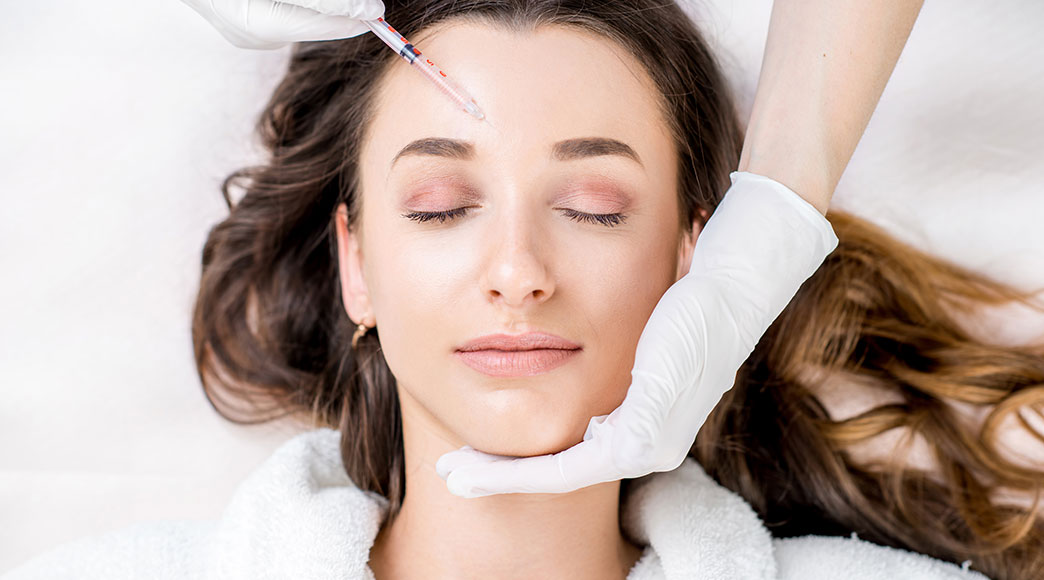
Botox is perhaps the most well-known medical beauty treatment. It is used to reduce the appearance of fine lines and wrinkles by temporarily paralyzing the muscles that cause them. Common treatment areas include the forehead, crow’s feet around the eyes, and frown lines between the eyebrows. Botox can smooth out wrinkles and provide a youthful, refreshed look. Other neurotoxins like Dysport and Xeomin are similar to Botox and are used to achieve the same wrinkle-reducing effects.

2. Dermal Fillers

Dermal fillers are injectable treatments that restore volume to the face, filling in wrinkles, fine lines, and hollowed areas. As we age, our skin loses collagen and fat, leading to sagging and volume loss. Fillers, such as hyaluronic acid-based options (like Juvederm and Restylane), can be used to plump the cheeks, add fullness to the lips, and smooth lines around the mouth and nose. Results from dermal fillers can last anywhere from six months to two years, depending on the type of filler used.

3. Laser Treatments

Lasers have revolutionized medical beauty by providing a wide array of solutions for skin rejuvenation, acne scars, pigmentation issues, and even hair removal. Some common laser treatments include:

  • Fractional Laser Resurfacing: This procedure targets damaged skin layers to promote collagen production and smooth out wrinkles and scars.
  • Laser Hair Removal: This method uses intense light to destroy hair follicles, leading to permanent hair reduction in treated areas.
  • Pigmentation Laser Treatments: Lasers can target hyperpigmentation, sun spots, and age spots, helping individuals achieve a clearer, more even skin tone.

4. Chemical Peels

Chemical peels involve applying a chemical solution to the skin to exfoliate and remove dead skin cells. This promotes the growth of new skin and can improve the appearance of acne scars, hyperpigmentation, and fine lines. Superficial peels have minimal downtime, while deeper peels may require a longer recovery period but can provide more dramatic results.

5. Microneedling

Microneedling is a procedure that uses small needles to create tiny punctures in the skin, stimulating collagen production and encouraging skin regeneration. It is commonly used to treat acne scars, fine lines, and stretch marks. When combined with platelet-rich plasma (PRP) therapy, the results can be even more enhanced, with faster healing and greater skin renewal.

6. Non-Surgical Fat Reduction

Non-invasive body contouring treatments like CoolSculpting and SculpSure target localized fat deposits by freezing or heating fat cells, which are then naturally eliminated by the body. These treatments are ideal for individuals who have stubborn fat areas that are resistant to diet and exercise, such as love handles, belly fat, and double chins.

The Benefits of Medical Beauty

Medical beauty offers several advantages over traditional beauty treatments, which is why it has quickly gained popularity among individuals of all ages. Here are some of the key benefits:

1. Minimal Risk and Side Effects

Since most medical beauty procedures are non-invasive or minimally invasive, the risks of complications are lower than with traditional surgery. With proper consultation and a skilled practitioner, the chances of side effects or complications are minimal.

2. Quick, Convenient Treatments

Many procedures in medical beauty can be performed in less than an hour, making them perfect for people with busy schedules. Additionally, the minimal downtime means clients can immediately return to their daily routines without significant disruption.

3. Natural-Looking Results

醫學美容中心 treatments are designed to enhance natural beauty, not to drastically alter one’s appearance. For example, dermal fillers restore facial volume and Botox smooths wrinkles without giving an “overdone” or frozen look. The focus is on creating subtle, youthful changes that improve overall appearance.

4. Improved Self-Esteem

A significant benefit of medical beauty is the boost it provides to self-confidence. Whether it’s rejuvenating the skin, sculpting the body, or eliminating stubborn fat, these treatments help individuals feel better about themselves. This emotional benefit is often just as important as the physical transformation.

The Future of Medical Beauty

As technology continues to evolve, so does the field of medical beauty. With the advent of AI-powered skin analysis, more precise treatments, and innovative non-invasive devices, the possibilities for enhancing beauty will continue to expand. Future treatments may focus even more on personalized care, with technologies like 3D imaging and genetic testing allowing for treatments that are completely tailored to an individual’s specific skin and health needs.

Conclusion

Medical beauty has come a long way in transforming the world of aesthetic treatments. By blending the latest advancements in medical technology with beauty practices, it has opened up a world of possibilities for those looking to enhance their natural appearance without undergoing major surgery. Whether you’re seeking a youthful glow, smoother skin, or a more sculpted body, medical beauty offers a diverse range of options that are safe, effective, and long-lasting. With its growing popularity, medical beauty is undoubtedly here to stay, shaping the future of self-care and aesthetics for years to come.

What Is The Significance Of Medicament Direction In Fullerton?What Is The Significance Of Medicament Direction In Fullerton?

Medication direction in Fullerton serve is highly necessity in aged care sector. It helps avoid serious wellness issues that might become wild for life due to wrong or ineffectual medicinal dru schedule of patients, who have vauntingly come of co-morbidities and are taking several medicines for long term treatment. Irrespective of whether the patient is taking a Dr. formal medications or custom-built medicines produced by a combination pharmacy in Fullerton, medicament management programme assures to minimise تجربیات مصرف‌کنندگان قرص فارماتون: نظرات و بازخوردها associated problems and the right way wangle the medicine therapy for the best possible care.

Many of the compounding pharmacy in Westminster agencies are now actively offering medication management service which can be seamlessly structured with the services of other health care providers. Though services of dieticians, natural science therapists and psychotherapists is premeditated to give the affected role synchronic and complete care, health chec direction in Fullerton can add to the public presentation of the health care team and make the patients have the best outcomes. It provides unique medical examination data that helps the health care team in qualification timbre decisions, defining operational solutions for patients and securing safety and strength of the affected role 39;s medications.

Medication direction in Fullerton is not just a value added serve but also bright supports the home care team to pass its patient care object lens and control wellness care expenses. To improve the affected role 39;s go through in checkup treatment and care, it includes the following:

Detailed description regarding the affected role 39;s medicinal dru chronicle, present medication tape including the real dosages and timing of taken medicinal dru. It is mainly for the cognition and of the wellness care supplier. A brief remark of medicament-related problems that obstructs the patient role 39;s therapy results. Without addressing the issues a patient role is likely to undergo or experiencing, it is not at all possible to plan out a scheme to produce the suitable outcomes. The Most proper medical exam care plan goals prepared on the basis of soul patient details including co-morbidities, risk factors and other synchronous medications if any. Scalable parameters such as tone metrics, testing ground values, daily activities and symptom alleviation are considered individually for each patient to see refuge and potency of medicament. Patient 39;s participation to determine whether he she follows the book of instructions on medicament decently or not. It is mainly to launch as to why drugs fail to make desirable termination after the medicinal dru is stated to be safe and operational for the condition. Regular rating of wellness outcomes after medicine use. It is necessary only to find out if significant advance is made towards the nonmoving cure goal, any refuge connate trouble has arisen and the patient has any mix-up about continuing with the medicinal dru.

What Is The Value Of Medication Management In Fullerton Service?

The potency of medicine direction in Fullerton programme on volunteer by several compounding pharmaceutics agencies can be measured in several ways.

The patient role experiences melioration in symptoms and gets the best possible outcomes in medical examination care and treatment. The patients get personal tending, direct participation in medicine management and a good verify over their activities of life. The wellness care providers also get benefitted when medication direction professionals who are open to finagle any complicated drug therapy with super .

The Difference Between Genetic Testing and Genetic ScreeningThe Difference Between Genetic Testing and Genetic Screening

Genetic testing and genetic screening are two terms that are often used interchangeably, but they serve distinct purposes in the realm of genetics and healthcare. Understanding the differences between them is crucial for individuals who are considering genetic evaluation for themselves or their families. Genetic testing is a medical process designed to identify specific genetic mutations or variations that may cause or predispose an individual to certain health conditions. On the other hand, genetic screening is a broader process aimed at detecting genetic disorders or risks in a population, often without a specific suspicion of disease.

While both processes involve analyzing DNA, the scope and application of genetic testing vs screening differ significantly. Genetic testing is typically recommended for individuals who have a family history of a particular genetic disorder, are experiencing symptoms of a condition with a known genetic link, or are seeking to understand their risk for passing on a genetic condition to their children. Genetic screening, however, is more about general health assessment and is often applied to large groups, such as newborn screening programs or population-wide initiatives to detect common genetic traits.

What is Genetic Testing?

Genetic testing is a highly targeted diagnostic tool that examines specific genes to identify mutations or alterations associated with inherited disorders. It is most commonly used in clinical settings to confirm a diagnosis, guide treatment decisions, or assess the risk of developing a condition later in life. For example, individuals with a family history of cystic fibrosis or Huntington’s disease may undergo genetic testing to determine if they carry the faulty gene responsible for the condition.

The process typically involves collecting a DNA sample, usually through a blood test or cheek swab, and analyzing it in a laboratory. The results are then interpreted by a genetic counselor or healthcare provider to determine whether the individual has the genetic mutation in question. Genetic testing can also be used in prenatal settings to identify potential genetic issues in an unborn child or in cancer care to identify mutations that may influence treatment options.

What is Genetic Screening?

Genetic screening is a proactive approach to identifying genetic risks or abnormalities in a population, often without prior suspicion of a specific condition. It is designed to detect genetic disorders or traits that may affect an individual’s health or the health of their offspring. Unlike genetic testing, which is targeted and diagnostic, genetic screening is broader in scope and is often used in public health programs to identify trends or common genetic issues within a community.

One of the most well-known examples of genetic screening is newborn screening, which is mandatory in many countries. These programs test newborns for a range of genetic and metabolic disorders, such as phenylketonuria (PKU) or sickle cell disease, to ensure early intervention and improve outcomes. Genetic screening can also be used in reproductive health to assess an individual’s carrier status for recessive genetic disorders, such as Tay-Sachs disease, which can inform family planning decisions.

Key Differences Between Genetic Testing and Genetic Screening

When comparing genetic testing vs screening, several key differences emerge. Genetic testing is a diagnostic tool used to identify specific genetic mutations in individuals who are at high risk or already showing symptoms of a genetic disorder. It is highly personalized and is typically ordered by a healthcare provider based on medical history or family history. Genetic screening, on the other hand, is a preventive measure used to identify genetic risks or abnormalities in a population, often without prior suspicion of disease.

Another important distinction is the scope of the analysis. Genetic testing focuses on specific genes known to be associated with particular conditions, while genetic screening may involve analyzing multiple genes or even the entire genome to identify potential risks. Additionally, genetic testing is often used in clinical settings to guide medical decisions, whereas genetic screening is more commonly used in public health initiatives to promote early detection and prevention.

The Purpose of Genetic Testing

The primary purpose of genetic testing is to provide actionable information about an individual’s genetic health. This can be invaluable for several reasons. First, it allows individuals to understand their risk for developing certain conditions, enabling them to take proactive steps to manage their health. For example, someone who tests positive for a BRCA1 or BRCA2 mutation may choose to undergo regular cancer screenings or preventive surgeries.

Second, genetic testing can help diagnose the cause of unexplained symptoms or confirm a suspected genetic disorder. For instance, individuals experiencing recurring miscarriages or infertility may undergo genetic testing to identify any underlying genetic factors contributing to their condition. Finally, genetic testing can provide important information for family planning, allowing individuals to make informed decisions about having children and the potential risks of passing on a genetic disorder.

The Purpose of Genetic Screening

Genetic screening serves a different but equally important purpose. Its primary goal is to identify genetic risks or abnormalities in a population, often to promote early intervention and improve health outcomes. For example, newborn screening programs are designed to detect genetic disorders that, if left untreated, can lead to severe health complications or developmental delays. By identifying these conditions early, healthcare providers can initiate appropriate treatment, significantly improving the child’s quality of life.

Genetic screening is also used in reproductive health to assess an individual’s carrier status for recessive genetic disorders. This information can be particularly valuable for couples who are planning a family, as it allows them to understand their risk of passing on a genetic condition to their children. Additionally, genetic screening can be used in cancer care to identify individuals who may be at higher risk for certain types of cancer due to inherited mutations, enabling them to take preventive measures.

How Genetic Testing and Screening Differ in Approach

When it comes to approach, genetic testing and screening differ in both their focus and methodology. Genetic testing is a highly targeted process that focuses on specific genes associated with known genetic disorders. It is typically performed in a clinical setting and is reserved for individuals who have a high risk of carrying a particular genetic mutation, such as those with a family history of a genetic condition.

Genetic screening, on the other hand, is a broader process that often involves analyzing multiple genes or even the entire genome to identify potential risks. It is commonly used in public health programs, such as newborn screening, and may be offered to individuals without a known family history of genetic disorders. While genetic testing is diagnostic in nature, genetic screening is more about early detection and prevention.

The Role of Genetic Testing in Mental Health

While genetic testing is perhaps most commonly associated with physical health conditions, it also plays a significant role in mental health. Certain mental health conditions, such as bipolar disorder, schizophrenia, and depression, have been linked to specific genetic mutations or variations. By identifying these genetic factors, healthcare providers can gain a better understanding of an individual’s risk for developing these conditions and develop personalized treatment plans.

For example, genetic testing can help identify individuals who may be more likely to experience adverse reactions to certain medications, allowing doctors to tailor treatment approaches to their specific needs. Additionally, genetic testing can provide insights into the genetic causes of mental health conditions, which can be invaluable for individuals who are struggling to find effective treatment options.

The Role of Genetic Screening in Mental Health

Genetic screening also has a role to play in mental health, particularly in identifying genetic risks or predispositions that may influence an individual’s mental well-being. While genetic screening is not as commonly used in mental health as it is in physical health, it can provide valuable information about an individual’s genetic makeup and how it may impact their mental health.

For instance, genetic screening can identify variations in genes that are associated with an increased risk of developing conditions such as anxiety or depression. This information can be used to develop preventive strategies or to monitor mental health more closely. Additionally, genetic screening can help identify genetic factors that may influence an individual’s response to certain medications, allowing healthcare providers to make more informed treatment decisions.

Benefits of Genetic Testing and Screening

Both genetic testing and screening offer numerous benefits for individuals and society as a whole. One of the most significant advantages of genetic testing is its ability to provide actionable information about an individual’s genetic health. This information can be used to make informed decisions about medical care, family planning, and lifestyle choices. For example, individuals who test positive for a genetic mutation linked to a particular condition can take proactive steps to manage their health and reduce their risk of developing the condition.

Genetic screening, on the other hand, offers the benefit of early detection and prevention on a population level. By identifying genetic risks or abnormalities early, healthcare providers can intervene sooner, improving health outcomes and reducing the burden of genetic disorders on individuals and society. Additionally, genetic screening can provide valuable insights into the genetic diversity of a population, which can inform public health policies and initiatives.

Limitations and Risks of Genetic Testing and Screening

While genetic testing and screening offer many benefits, they also have limitations and risks that must be considered. One of the most significant risks of genetic testing is the potential for false positives or false negatives, which can lead to unnecessary anxiety or a false sense of security. Additionally, genetic testing may identify mutations that are not fully understood, leading to uncertainty about their implications for health.

Genetic screening also has its own set of limitations and risks. Because genetic screening is often performed on a population level, it may not be as targeted or specific as genetic testing. This can lead to false positives or false negatives, as well as the identification of genetic variations that may not have a significant impact on health. Furthermore, genetic screening may raise ethical concerns, particularly when it comes to the use of genetic information in employment or insurance decisions.

The Psychological Impact of Genetic Testing and Screening

The psychological impact of genetic testing and screening should not be underestimated. For many individuals, receiving genetic test results can be a life-changing experience, particularly if the results indicate a high risk of developing a serious condition. This can lead to feelings of anxiety, fear, or uncertainty about the future. On the other hand, genetic testing can also provide a sense of relief for individuals who learn that they do not carry a particular genetic mutation.

Genetic screening can also have a psychological impact, particularly in cases where the results indicate a heightened risk of developing a condition. For example, individuals who learn that they are carriers of a recessive genetic disorder may experience anxiety about passing the condition on to their children. It is important for individuals undergoing genetic testing or screening to receive appropriate counseling and support to help them navigate the emotional and psychological implications of their results.

Ethical Considerations in Genetic Testing and Screening

The use of genetic testing and screening raises a number of ethical considerations that must be carefully addressed. One of the most significant ethical issues is the potential for genetic discrimination, where individuals may face discrimination in employment, insurance, or other areas based on their genetic information. This has led to the implementation of laws and regulations, such as the Genetic Information Nondiscrimination Act (GINA) in the United States, to protect individuals from genetic discrimination.

Another ethical concern is the potential for genetic testing and screening to be used in ways that are not in the best interests of the individual. For example, some critics argue that genetic testing may be used to make decisions about an individual’s reproductive choices, such as whether to have children or to terminate a pregnancy based on genetic information. Additionally, there are concerns about the privacy and confidentiality of genetic information, particularly in an era where genetic data is increasingly being shared and used in research and other applications.

The Future of Genetic Testing and Screening

The future of genetic testing and screening is likely to be shaped by advances in technology and our growing understanding of the human genome. One of the most exciting developments in the field of genetics is the rise of DNA health checks, which involve analyzing an individual’s DNA to identify genetic variations that may be associated with an increased risk of certain health conditions. These tests are often direct-to-consumer, meaning that individuals can purchase them without the need for a prescription or a visit to a healthcare provider.

While DNA health checks offer the potential for greater awareness and understanding of genetic health risks, they also raise important questions about the role of genetic testing in healthcare. For example, how will the information provided by DNA health checks be used by individuals and healthcare providers? Will individuals be able to interpret the results accurately, or will they require guidance from a genetic counselor or other healthcare professional? Additionally, there are concerns about the accuracy and reliability of direct-to-consumer genetic tests, as well as the potential for misuse of genetic information.

Conclusion

Understanding the difference between genetic testing and genetic screening is essential for anyone considering genetic evaluation for themselves or their families. While genetic testing is a targeted diagnostic tool used to identify specific genetic mutations, genetic screening is a broader preventive measure used to detect genetic risks or abnormalities in a population. Both processes have the potential to provide valuable insights into an individual’s genetic health, but they also raise important ethical, psychological, and practical considerations.

As our understanding of genetics continues to evolve, it is likely that genetic testing and screening will play an increasingly important role in healthcare. Whether you are considering genetic testing for a specific condition or exploring the potential benefits of a DNA health check, it is essential to approach genetic evaluation with a clear understanding of its purposes, limitations, and implications. By doing so, you can make informed decisions about your genetic health and take proactive steps to protect your well-being.

If you are interested in learning more about genetic testing and how it can benefit your mental health, visit Vantage Mental Health(https://www.vantagementalhealth.org/genetic-testing/) to explore their services and resources.