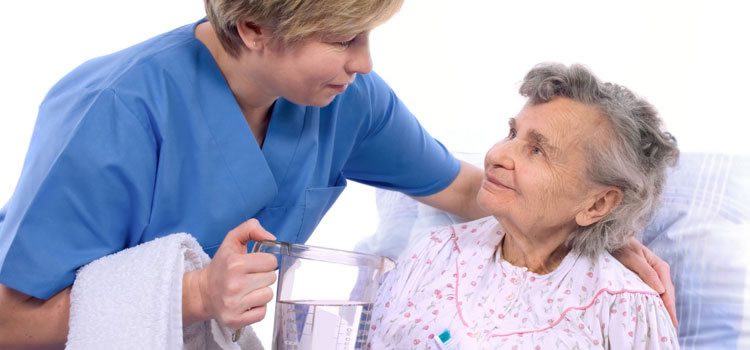
Senior home care, often seen as a sympathize with alternative to power-assisted sustenance facilities, plays a considerable role in today s aging bon ton. Providing older adults with the power to age within the soothe of their homes this type of care creates a formal touch on on their wellness and quality of life. This clause will explore the various aspects and benefits of elder home care.
Senior home care services usually wrap up a wide straddle of assistance, from personal care to menag sustenance. Personal care includes help with livelihood activities like bathing, stuffing, and eating. Respite care provides short-term relief for primary feather caregivers, while expert breast feeding care caters to seniors with medical conditions requiring professional person help. Meanwhile, keep company care covers feeling and mixer subscribe, fosterage purposeful relationships through fellowship and sociable activities.
Furthermore, implementing senior home care givers near me provides a feel of closeness and console. Aging in a familiar environment plays a material role in a elder’s unhealthy health it can tighten feelings of confusion and anxiousness often associated with unacquainted with surroundings. This results in an increased feel of independency and verify over their lives, supporting them to enjoy their happy eld to the fullest.
Notably, elder home care services are also pliant, ensuring that each client receives care plain to their someone needs and preferences. Constant assessments allow care plans to be qualified as needs transfer over time. Integrated care between healthcare providers, caregivers, and families ensures a holistic set about to the elder’s wellness and well-being.
Communication is another vital view of senior home care. It keeps families enlightened and busy in the decision-making work on of their wanted one’s care plan. An open line of communication fosters swear and trust, which are life-sustaining in achieving the best possible care.
The benefits of senior home care broaden beyond the seniors themselves. Family members also profit from peace of mind wise to that their adored ones are in safe and subject work force. Furthermore, it relieves them of the full-time responsibleness of care, providing them more time to focus on their roles, aspirations, and relationships.
In ending, senior home care embodies a intermingle of pity, professionalism, and adaptability that provides seniors the necessary aid to sail their advanced age. Its unusual intermix of personal and professional person care allows all parties involved the reassurance that every need is catered to. Structured and well-coordinated, elder home care not only ensures optimum health and well-being for seniors but also provides public security of mind for their families.
As our loved ones age, it becomes increasingly important to ensure they have access to the support and 上門護士 they need to maintain their health, safety, and overall well-being. At ElderlyDB.hk, we recognize the importance of providing quality care options for seniors in Hong Kong. Our platform is designed to assist families in finding the most suitable elderly care services, whether it’s residential care, day care, or home care support.
The elderly often have unique healthcare needs that require specialized care, and it’s crucial to choose the right facility or service that can meet those needs. ElderlyDB.hk offers an extensive directory of elderly homes and care providers, with detailed information on available services, amenities, and pricing, allowing families to make informed decisions based on their loved ones’ specific requirements.
Moreover, we understand that navigating the world of elderly care can be overwhelming, especially when there are financial considerations and emotional factors at play. Our platform provides helpful tools such as cost calculators, subsidy information, and expert advice to ensure families find care solutions that are both effective and affordable.
Whether it’s finding a facility with trained medical staff, a place that provides daily activities and companionship, or a caregiver who can assist at home, ElderlyDB.hk offers the resources to help families make the best possible choices for their elderly loved ones. We believe that every senior deserves respect, care, and comfort in their later years, and we are here to help make that a reality.
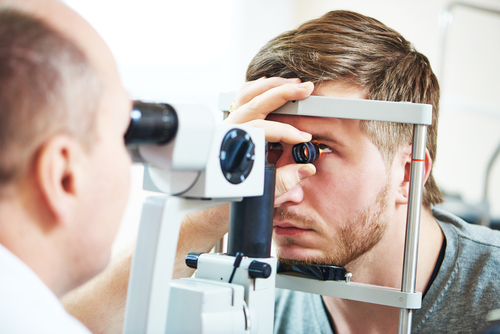
Ophthalmology is the branch of medicine dedicated to the study, diagnosis, and treatment of eye conditions. As the human eye is responsible for one of the most vital senses—sight—ensuring its health is integral to overall well-being. Ophthalmologists, medical doctors who specialize in the eyes, are not only skilled in diagnosing and treating common eye conditions but also in performing surgeries to address more serious disorders. With an expanding range of treatments, cutting-edge technology, and groundbreaking research, ophthalmology is pivotal in preserving and restoring vision.
This article explores the breadth of ophthalmology, the most prevalent eye conditions, treatment options, and emerging innovations shaping the future of eye care.
The Importance of Ophthalmology
Ophthalmology addresses a wide array of issues relating to the eye, from routine vision checks and the correction of refractive errors (like nearsightedness or farsightedness) to managing more complex diseases that threaten vision, such as glaucoma, cataracts, and retinal diseases. Eyes are incredibly intricate organs, and when something goes wrong, it can significantly affect a person's quality of life. Whether due to age, genetics, injury, or disease, the loss of vision can be devastating. That's why ophthalmology is not only about restoring sight but also about ensuring that patients can continue to lead independent, fulfilling lives.
Ophthalmologists receive extensive training to become experts in the diagnosis and treatment of eye diseases. Their work encompasses both medical and surgical solutions, which sets ophthalmology apart from other fields like optometry or opticianry, which focus on vision correction.
While the eye is a complex organ, several eye conditions are more common than others. Here are some of the leading diseases and disorders that ophthalmologists frequently manage:
1. Cataracts
Cataracts are the clouding of the lens inside the eye, leading to blurry vision. They are most common in older adults but can also result from trauma, certain medications, or genetic factors. Cataracts can cause a gradual decline in vision, but the treatment is straightforward: cataract surgery. During this procedure, the cloudy lens is removed and replaced with an artificial intraocular lens (IOL), which is an incredibly effective treatment.
2. Glaucoma
Glaucoma is a group of eye conditions that damage the optic nerve, often as a result of elevated intraocular pressure. If left untreated, glaucoma can lead to permanent vision loss and even blindness. Glaucoma typically develops slowly and painlessly, making it difficult to detect without regular eye exams. Treatment often involves medications, laser therapy, or surgery to lower intraocular pressure and prevent further damage to the optic nerve.
3. Age-Related Macular Degeneration (AMD)
AMD is a leading cause of vision loss in older adults, particularly those over the age of 50. It affects the macula, the part of the retina responsible for central vision. AMD has two types: dry and wet. Dry AMD progresses gradually and cannot be treated, while wet AMD can lead to rapid vision loss and requires more aggressive treatments, including injections into the eye to slow the growth of abnormal blood vessels. Early detection through regular eye exams is key to managing AMD and preserving vision.
4. Diabetic Retinopathy
Diabetic retinopathy is a complication of diabetes that affects the blood vessels in the retina. High blood sugar levels can lead to damage to these blood vessels, causing leakage or swelling and ultimately affecting vision. This condition is one of the leading causes of blindness among working-age adults. Regular eye screenings for people with diabetes are critical to detecting early signs of diabetic retinopathy. Laser treatment, anti-VEGF injections, and sometimes surgery are used to treat the disease and prevent progression.
5. Refractive Errors
Refractive errors are the most common vision problems and occur when the eye does not bend light properly. They include conditions like:
Myopia (Nearsightedness): Objects up close are clear, while distant objects appear blurry.
Hyperopia (Farsightedness): Objects at a distance are clear, while close-up objects appear blurry.
Astigmatism: Irregular shape of the cornea or lens causes blurry or distorted vision.
These conditions can typically be treated with corrective lenses, such as glasses or contact lenses. For more permanent correction, refractive surgeries like LASIK can be performed to reshape the cornea and improve focus.
6. Dry Eye Syndrome
Dry eye syndrome occurs when the eyes don't produce enough tears, or the tears evaporate too quickly, leading to irritation, discomfort, and blurred vision. It is often more prevalent in older adults and those who spend long hours in front of computers. Treatment typically includes artificial tears, medications, lifestyle changes, or procedures to increase tear production or reduce tear drainage.
The Role of Technology in Modern Ophthalmology
In recent years, advancements in technology have revolutionized the way ophthalmologists diagnose and treat eye conditions. From improved diagnostic tools to innovative treatment options, technology has greatly expanded the capabilities of eye care. Here are some key technological advances in ophthalmology:
1. Optical Coherence Tomography (OCT)
OCT is a non-invasive imaging technique that allows ophthalmologists to view detailed cross-sectional images of the retina and optic nerve. It is commonly used to diagnose and monitor conditions like macular degeneration, diabetic retinopathy, and glaucoma. OCT provides high-resolution imaging that helps detect eye diseases early, often before symptoms are noticeable, allowing for timely intervention.
2. Femtosecond Laser Technology
Femtosecond lasers are used in various ophthalmic surgeries, including cataract surgery and LASIK. These lasers offer precision and control, allowing surgeons to create exact incisions and perform delicate procedures more effectively. The accuracy of femtosecond lasers also contributes to faster recovery times and reduced risk of complications.
3. Artificial Intelligence (AI) in Diagnosis
AI is increasingly used to enhance diagnostics in ophthalmology. Machine learning algorithms are being developed to analyze retinal images and identify early signs of conditions like diabetic retinopathy, macular degeneration, and glaucoma. AI can process large amounts of data quickly, making it a valuable tool for early detection and better management of eye diseases.
4. Robotic Surgery
Robotic surgery in ophthalmology has made significant strides, especially in retinal and cataract surgeries. Robotic systems offer enhanced precision and allow for more consistent and accurate outcomes. These systems also reduce human error and provide surgeons with real-time feedback, leading to better patient outcomes and quicker recovery times.
Preventive Care and the Future of Ophthalmology
Preventive care is crucial in ophthalmology. Regular eye exams can catch problems early, even before symptoms appear. For instance, many eye conditions like glaucoma and diabetic retinopathy can be managed effectively if detected early, preventing significant vision loss. Moreover, ophthalmologists are increasingly working with patients to promote eye health through lifestyle modifications, such as a diet rich in eye-healthy nutrients like vitamins C and E, omega-3 fatty acids, and zinc.
The future of ophthalmology is bright, with ongoing research into new treatments, surgical techniques, and technologies. One exciting development is gene therapy, which has the potential to treat inherited retinal diseases by replacing or repairing defective genes. Stem cell research also holds promise in regenerating damaged retinal cells and restoring sight in conditions that were once considered untreatable.
Moreover, advancements in wearable technologies, such as smart contact lenses and augmented reality, could transform how ophthalmologists manage and monitor eye diseases. These technologies have the potential to provide real-time data on a patient’s eye health and enable more personalized treatments.
Conclusion
Ophthalmology is an essential field of medicine that impacts millions of lives around the world. From treating common refractive errors to performing complex surgeries for retinal diseases and glaucoma, ophthalmologists are dedicated to improving vision and overall quality of life. As technology and research continue to advance, the future of ophthalmology looks promising, with new treatments, diagnostic tools, and innovations on the horizon. Whether through early detection, preventive care, or cutting-edge treatments, ophthalmology ensures that sight remains a gift to be cherished and protected for generations to come.
For many veterans, the challenges of returning to civilian life can be profound. Beyond physical injuries, countless veterans face Post-Traumatic Stress Disorder (PTSD) — a condition that affects emotional well-being, sleep, and daily functioning. Traditional treatments such as therapy and prescription medications can be helpful, but not all veterans find relief through these methods. In recent years, dispensary cannabis has emerged as a potential tool to support veterans in managing PTSD symptoms, offering a complementary approach that combines science, anecdotal evidence, and compassionate care.
Understanding PTSD and Its Challenges
PTSD is a mental health condition triggered by experiencing or witnessing traumatic events. For veterans, combat exposure, life-threatening situations, and other stressors can leave lasting psychological scars. Common symptoms include:
Nightmares and flashbacks
Anxiety and hypervigilance
Depression and mood swings
Sleep disturbances
Difficulty focusing or connecting socially
These symptoms can significantly impact quality of life, relationships, and career prospects. Many veterans seek relief beyond standard medications because traditional approaches may come with unwanted side effects, limited efficacy, or dependency risks.
How Cannabis Interacts with the Brain
Cannabis contains compounds called cannabinoids, primarily THC (tetrahydrocannabinol) and CBD (cannabidiol), which interact with the body’s endocannabinoid system (ECS). The ECS regulates mood, stress response, sleep, and emotional processing — areas often disrupted in PTSD.
THC can help reduce hyperarousal and ease anxiety, offering temporary relief from flashbacks or panic.
CBD is non-psychoactive and has been studied for its calming, anti-anxiety, and neuroprotective effects.
Together, these cannabinoids may help veterans achieve emotional balance, improve sleep quality, and reduce the intensity of PTSD symptoms when used responsibly and under guidance.
Dispensary Cannabis vs. Traditional Medications
While medications like antidepressants or anti-anxiety drugs are commonly prescribed for PTSD, they can come with side effects such as drowsiness, nausea, or dependency. Dispensary cannabis provides an alternative that many veterans perceive as more natural and controllable.
Cannabis allows for:
Personalized dosing: Veterans can choose products with varying THC-to-CBD ratios to match their tolerance and symptom needs.
Flexible consumption methods: Oils, tinctures, edibles, and vaping provide options depending on lifestyle and preference.
Rapid symptom relief: Sublingual oils or vaping can act faster than oral medications, helping in acute anxiety or insomnia episodes.
These advantages make cannabis a complementary option rather than a replacement for traditional therapy.
Supporting Mental Health Holistically
Dispensary cannabis is most effective when integrated into a holistic approach to PTSD management. Many veterans combine cannabis use with:
Cognitive-behavioral therapy (CBT)
Exposure therapy or EMDR (Eye Movement Desensitization and Reprocessing)
Mindfulness practices and meditation
Support groups and peer networks
Cannabis can enhance these therapies by reducing hyperarousal, easing anxiety, and improving sleep, allowing veterans to engage more fully in their healing process.
Accessing Lab-Tested Cannabis Safely
For veterans considering cannabis, safety and reliability are paramount. Licensed dispensaries provide lab-tested products, ensuring consistent cannabinoid levels and freedom from contaminants. Products such as oils, tinctures, or capsules allow for precise dosing, which is particularly important for managing sensitive mental health conditions like PTSD.
Many dispensaries also offer staff guidance, helping veterans choose the right strains and formulations for their needs. Veterans may also qualify for medical cannabis programs, which provide legal protection and access to higher-quality products.
Veteran Experiences and Emerging Research
Anecdotal evidence from veterans highlights improvements in sleep, mood stability, and anxiety reduction with responsible cannabis use. Emerging research supports these observations, suggesting that cannabinoids may reduce trauma-related symptoms and support emotional regulation. While more large-scale studies are needed, early findings are promising and encourage further exploration of Quality roots as part of PTSD management.
Final Thoughts
For veterans living with PTSD, dispensary cannabis offers hope, relief, and a sense of control over their symptoms. It is not a cure-all, but when used responsibly alongside therapy and holistic care, it can significantly improve quality of life.
Veterans seeking to explore cannabis should consult knowledgeable healthcare providers, use lab-tested products, and approach dosing thoughtfully. With the right guidance, dispensary cannabis can become a valuable tool in the journey toward healing, helping those who have sacrificed so much regain balance, peace, and emotional resilience.
Cannabis, also known as marijuana, has been a moot topic for many age. While it has been used for various medicinal purposes throughout story, it has also bald-faced much unfavorable judgment and stain. However, as more and more explore is being conducted, the remedial great power of ganja is gaining realization. From managing pain to treating anxiety, the potentiality benefits of ganja are vast. Let’s research more about this right natural remedy.
Before diving event into the medicative benefits of marihuana, it’s requirement to empathise what it is and how it works. Cannabis is a set that contains compounds called cannabinoids, with the most well-known being THC(THC) and cannabidiol(CBD). These compounds interact with the body’s endocannabinoid system, a complex web of receptors that help regularise many natural object functions, including mood, pain, and catch some Z’s.
One of the most wide established uses of cannabis is for pain management. Research has shown that both THC and CBD have painkiller properties, qualification them effective in reducing pain and inflammation. This is especially good for prolonged pain conditions such as arthritis, multiplex sclerosis, and malignant neoplastic disease. Unlike traditional pain-relieving medications, ganja does not the risk of dependence or o.d., qualification it a safer alternative for long-term use.
Cannabis has also shown forebode in the treatment of mental wellness disorders such as anxiety and slump. THC, in particular, has been found to have a calming set up on the mind and body, helping to reduce feelings of anxiousness and strain. Additionally, CBD has been shown to have antidepressant effects, qualification it a potentiality alternative to traditional antidepressants with fewer side personal effects. More explore is still needed, but marijuana could potentially transfer the way mental wellness disorders are toughened.
Another gain of cannabis is its use in managing symptoms and side personal effects of various medical exam conditions and treatments. For cancer patients undergoing , cannabis can help relieve sickness and ameliorate appetite, which can be greatly artificial by the harsh treatments. Additionally, ganja has been base to be salutary in managing symptoms of reaction diseases, , and even post-traumatic try disquiet(PTSD).
Aside from its healthful benefits, marijuana also has various virtual uses. Hemp, a strain of the ganja set, is used to make products such as paper, vesture, and even edifice materials. Furthermore, it support service london plants are known for their power to absorb pollutants from the soil, qualification them salutary in phytoremediation projects to strip up impure areas.
As with any medicine or cancel remedy, there are potentiality risks and side effects of using marijuana. Some people may see dry verbalize, red eyes, and somnolence when using marihuana, while others may have more wicked reactions or blackbal interactions with other medications. It’s essential to refer with a healthcare professional person before incorporating cannabis into your handling plan.
In ending, the alterative power of ganja is gaining realisation as a natural remedy for various health conditions. From managing pain to treating unhealthy wellness disorders, the potential benefits of this plant are endless. However, more search is still necessary to to the full understand its personal effects and potency risks. If you are considering using ganja for medicinal purposes, always consult with a healthcare professional and make well-read decisions regarding your wellness.
Whether you subscribe or react the use of ganja, one affair is for sure- it is a plant with huge potential and should not be ignored. With further research and breeding, we can bear on to unlock the therapeutic major power of marihuana and provide succor to those in need.