
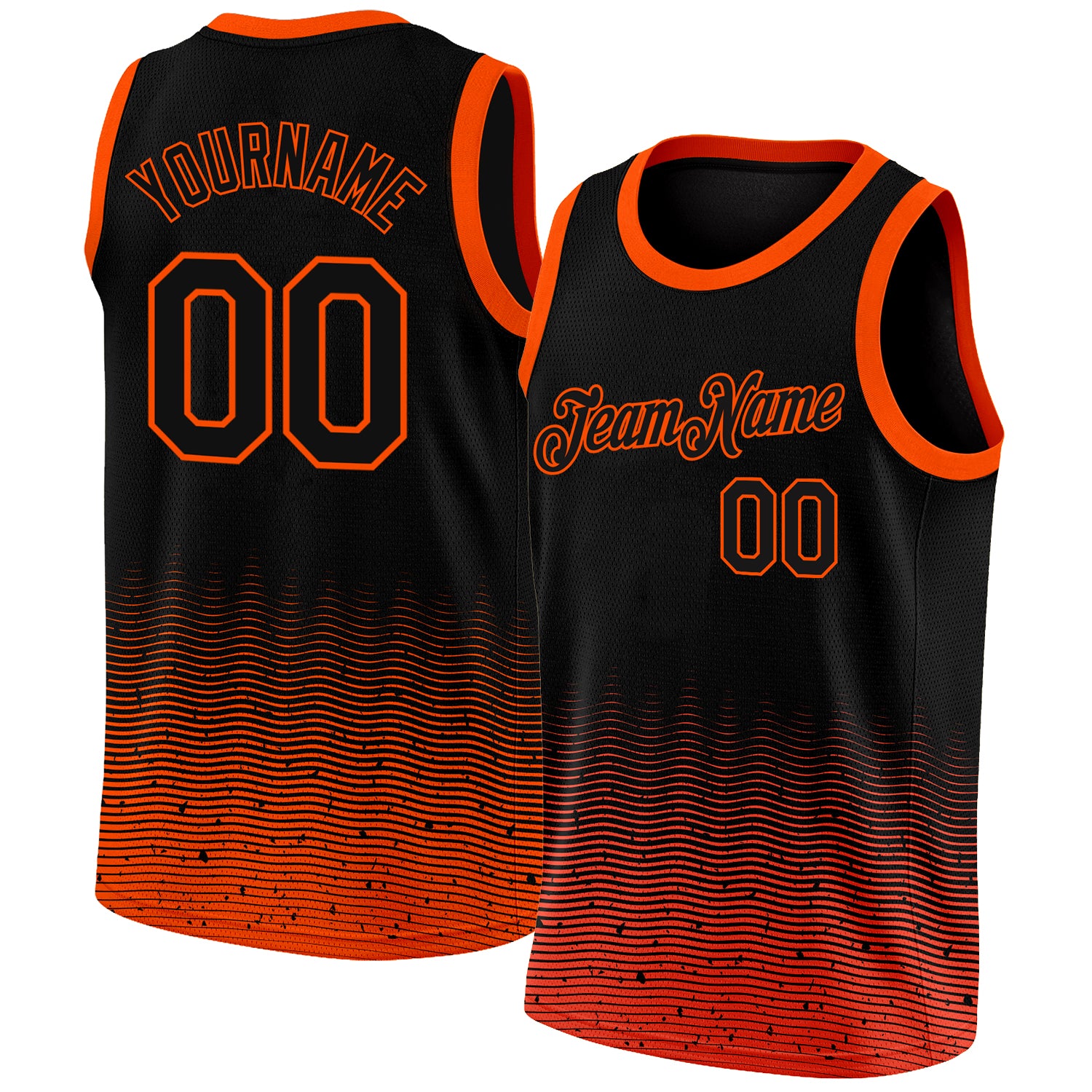
The Art and Science of Jersey Design: Crafting Identity, Performance, and Style

Jersey design is a fascinating intersection of creativity, functionality, and cultural representation. Once a simple piece of athletic gear, the modern jersey has evolved into an iconic symbol that represents not only a team’s identity but also the aspirations and emotions of athletes and fans alike. Whether for professional athletes or passionate supporters, jerseys have become cultural artifacts that hold significant value in sports and fashion alike. In this article, we’ll explore the intricate art and science behind jersey design, examining how creativity, technology, and branding merge to create a timeless and functional garment.

The Origin and Evolution of Jersey Design

In its earliest days, the jersey was a simple garment designed to serve as a uniform for athletes. Early jerseys were typically made from cotton or wool, serving purely practical purposes—providing coverage, comfort, and ease of movement. These early designs were rudimentary, consisting of basic colors, numbers, and sometimes the name of the team.

As the popularity of sports grew in the 20th century, jerseys began to evolve beyond mere functionality. They became tools for team branding, representing the unique identity of each franchise or organization. Over time, colors, logos, and patterns started to hold deeper meanings—embodying the history, culture, and aspirations of the teams and communities they represented.

By the 1980s and 1990s, jerseys transitioned from mere utilitarian items into key elements of fan culture, transcending the field of play to become cherished possessions worn proudly by supporters. Today, jersey design has grown into an art form, with intricate designs that balance functionality, aesthetics, and cultural significance.

The Intersection of Performance and Design

A jersey is primarily an article of performance gear, and its design must serve the practical needs of athletes. A good jersey must optimize comfort, freedom of movement, and durability—ensuring that athletes can perform at their highest level without being hindered by their clothing. This delicate balance between performance and aesthetics is what makes modern jersey design so complex.

  1. Materials and Innovation Modern jerseys are crafted from high-tech fabrics designed to enhance performance. Materials like polyester, spandex, and Lycra are lightweight, durable, and moisture-wicking, ensuring that athletes stay dry and comfortable even during the most intense physical activity. These materials are also flexible, allowing athletes to move freely and without restriction.

    The innovation of fabrics has also led to the development of specialized jerseys, such as those designed for extreme weather conditions. For example, jerseys may feature cooling technology to regulate body temperature in hot climates or insulation to provide warmth in colder weather. These performance-driven innovations are crucial in optimizing an athlete’s capabilities, offering a functional advantage on the field.

  2. Fit and Functionality In addition to the fabric, the cut and fit of a jersey are also crucial to its performance. A tight-fitting jersey reduces air resistance, making it ideal for sports like cycling, running, or swimming. However, the fit varies depending on the sport and the desired functionality. For team sports like basketball or soccer, jerseys tend to be slightly looser to allow for greater range of motion, while still maintaining a streamlined look.

    The design of a jersey must also accommodate factors like breathability, moisture control, and durability. Mesh panels, for instance, are often incorporated into jerseys to increase airflow and prevent overheating. At the same time, jerseys need to be durable enough to withstand the physical wear and tear that comes with competitive sports.

The Cultural Impact of Jerseys

Jersey design is not just about creating functional gear—it's also about representing identity, unity, and culture. A jersey serves as a visual representation of a team’s history, its community, and its values. The design of a jersey can evoke strong emotional connections and create a sense of belonging among fans and athletes alike.

  1. Team Identity and Pride The color scheme and logos of a jersey are powerful symbols of team identity. Every team’s jersey tells a story, often deeply connected to its city, region, or cultural roots. For instance, the New York Yankees’ iconic navy blue and white colors evoke a sense of tradition, history, and pride. Similarly, the green jerseys of the Boston Celtics symbolize the team’s legacy in basketball and its deep ties to the city’s Irish heritage.

    These elements of team identity go beyond aesthetics—they create a bond between players and fans. Fans often feel a deep emotional connection to the team they support, and wearing a jersey allows them to demonstrate their loyalty. The jersey becomes more than just a piece of clothing—it becomes a symbol of shared experiences, triumphs, and struggles.

  2. Fashion Influence While jerseys were once seen primarily as functional athletic wear, today they are also considered fashion statements. This shift has been especially noticeable in the world of streetwear, where jerseys are often worn outside the context of sports. From hip-hop culture to high-fashion runways, jerseys have become a staple of casual wear, with oversized fits and bold designs becoming popular in mainstream fashion.

    Designers and brands are increasingly using jersey-inspired elements in their collections, reflecting the fusion of sports and style. Jerseys, particularly from famous teams or iconic players, are now seen as collectible items—symbolic pieces of fashion history. In this way, jerseys have moved far beyond the field to become cultural symbols that transcend sport itself.

The Role of Branding and Sponsorship in Jersey Design

One of the most significant changes in modern jersey design is the increasing importance of branding and sponsorship. Jerseys are no longer just for players—they are valuable marketing tools for teams, sponsors, and corporations. The placement of logos, sponsor names, and brand identities on jerseys has become a strategic part of the design process.

  1. Sponsor Integration Sponsors play a crucial role in the financial landscape of modern sports. As a result, their logos are often prominently featured on jerseys, sometimes on the chest, sleeves, or even the shorts. Balancing the visibility of these logos while maintaining the integrity of the team’s design is an important aspect of the designer’s job.

    The challenge lies in integrating sponsor logos in a way that enhances, rather than detracts from, the overall design of the jersey. Many teams work closely with their sponsors to ensure that their logos are aligned with the team's identity and aesthetic. The result is a jersey that not only represents the team but also promotes the companies that support them.

  2. Creating Iconic Logos and Graphics One of the key elements of jersey design is the creation of a strong, memorable logo. The logo is the focal point of the design, and it must be instantly recognizable, whether it’s on a team’s home jersey or a fan’s shirt. Designers often work to incorporate elements of the team’s history, geography, or values into the logo, creating a lasting visual identity.

    In addition to logos, graphic design elements such as stripes, patterns, and color gradients are often used to enhance the jersey’s overall aesthetic. These elements must be chosen carefully to ensure that they align with the team’s branding and culture, while also remaining visually appealing and functional for the athlete.

The Future of Jersey Design: Innovation and Sustainability

As we look toward the future of jersey design, several exciting trends are emerging, driven by technological advancements and growing environmental awareness.

  1. Smart Jerseys The integration of technology into jerseys is poised to revolutionize the industry. Smart jerseys, embedded with sensors, could provide real-time performance data such as heart rate, body temperature, and muscle strain. This data could be used by athletes and coaches to optimize performance and reduce injury. Additionally, smart fabrics that adjust to environmental conditions—such as regulating body temperature—could enhance the comfort and performance of athletes in extreme conditions.

  2. Sustainability and Eco-Friendly Materials As the world becomes more conscious of the environmental impact of fast fashion, the demand for sustainable jerseys is growing. Many brands are exploring eco-friendly materials such as recycled polyester, organic cotton, and biodegradable fabrics. These sustainable options not only reduce the environmental footprint of production but also appeal to consumers who prioritize eco-conscious choices.

    The future of jersey design will likely see more brands turning to innovative, sustainable practices that ensure jerseys are both high-performance and environmentally responsible.

Conclusion

Jersey design is a unique blend of artistry, science, and culture. From the very beginning as a piece of functional athletic gear to its current role as a cultural icon and fashion statement, the jersey continues to evolve. Modern 熱昇華印刷 goes beyond performance, incorporating elements of identity, history, and emotional connection. With technological innovations on the horizon, jerseys will only continue to enhance the athlete’s experience while remaining a vital part of global fan culture and fashion. As we look ahead, it’s clear that the future of jersey design will be shaped by innovation, sustainability, and the enduring passion of fans and athletes worldwide.
Leave a Reply

Your email address will not be published. Required fields are marked *

Related Post

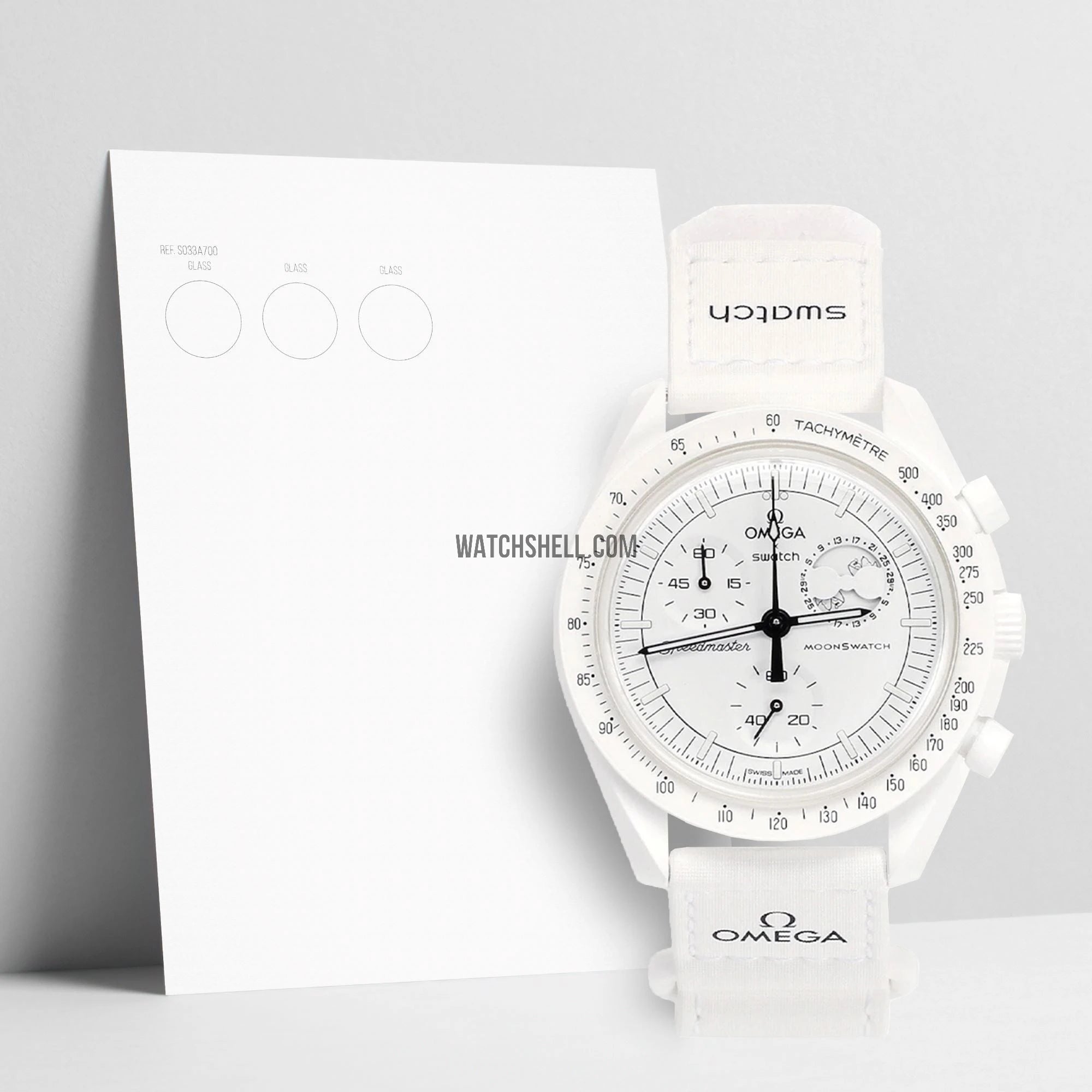
Is It Convention For A Rolex To Get Scratched?Is It Convention For A Rolex To Get Scratched?


Rolex is one of the most prestigious names in opulence watches. Known for their preciseness, strength, and dateless designs, these watches are often viewed as not just accessories but also investments. However, one green bear on among Rolex owners and prospective buyers is whether scratches on such a high-value timekeeper are convention. After all, when you vest in a luxuriousness catch, you course want it to stay on pristine.

The short-circuit suffice is: yes, it is rule for a Rolex to get damaged. Despite their reputation for enduringness and the use of insurance premium materials, Rolex Scratch watches are not runproof to unremarkable wear and tear. Let s break apart down why scratches materialise, what materials are most susceptible, and how you can deal with or even prevent them.

Why Rolex Watches Get Scratched

A Rolex is engineered for longevity and performance. However, like any fine patch of jewelry or preciseness instrumentate, it s exposed to the environment and activities. Here are the main reasons scratches take plac:

Contact with Hard Surfaces Brushing against walls, desks, or metallic element objects can lead shaver scratches on the case or watchstrap. Even careful wearers often find desk-diving scratches from typewriting or resting their wrist joint on a hard come up.

Material Characteristics Rolex uses 904L chromium steel nerve(branded as Oystersteel), which is more corrosion-resistant and shinier than the monetary standard 316L nerve used in most watches. However, this also makes it somewhat softer, substance scratches show more conspicuously.

Polished vs. Brushed Finishes Polished areas like the bezel, lugs, and watch bracelet center golf links are especially prone to scratches because they shine get down and spotlight imperfections. Brushed finishes, on the other hand, tend to mask scratches better.

Everyday Activities Something as simpleton as setting your take in on a postpone, wear it while cooking, or brush against door handles can create tiny Marks. Over time, these collect and give the take in a lived-in look.

Are Scratches a Sign of Poor Quality?

Not at all. The front of scratches does not mean your Rolex is badly made or flimsy. In fact, scratches are evidence that the see is being worn as motivated. Rolex designs its watches to be durable, raincoat, and susceptible of withstanding active voice lifestyles. While scratches regard esthetics, they do not compromise public presentation.

Collectors often consider light scratches and wear Simon Marks as part of the see s story. In the time of origin Rolex market, a well-worn patina can even increase desirability and value. This shows that a few scratches are not only rule but sometimes add .

Should You Polish Out Scratches?

Polishing is a park method acting to restitute the manufacturing plant reflect of a Rolex. However, it s a -edged blade:

Professional Polishing When performed by Rolex or a skilful watchmaker, shining can safely remove scratches while maintaining the master copy lines and end up of the see.

Over-Polishing Risks Too much shining over the years can relent edges, tighten metal heaviness, and negatively bear upon both aesthetics and value, especially for vintage models.

For most Rolex owners, occasional professional shining every few old age is enough. Between services, it s often best to hug tyke scratches as part of wear.

Tips to Minimize Scratches

While you can t completely keep scratches, you can tighten their relative frequency and visibility:

Be Mindful of Surfaces Avoid resting your Rolex on rough in or metallike surfaces. Consider using a soft material or watch stand up.

Avoid Wearing During High-Risk Activities If you re playing sports, workings with tools, or doing heavily lifting, it may be wise to take your see off.

Protect with Accessories Some owners use protective films or obvious wraps on polished parts, especially on stigmatise-new watches.

Regular Cleaning Wiping your Rolex with a microfiber fabric helps keep dirt particles from causing little-scratches.

When Scratches Matter

For unremarkable owners, scratches are usually just a cosmetic pertain. However, in certain situations, condition plays a big role:

Resale Value Collectors and buyers typically favor watches in mint or unpolished condition. Heavy scratches may reduce resale value unless they can be sophisticated out.

Vintage Collecting Ironically, some time of origin buyers appreciate original scratches and patina, as they show legitimacy and chronicle.

Thus, whether scratches are an make out for the most part depends on your view and how you plan to use your Rolex.

Final Thoughts

So, is it pattern for a Rolex to get damaged? Absolutely. Even though Rolex watches are stacked with some of the toughest and most high-tech materials in the industry, they are still subject to the realities of daily wear. Scratches don t lessen the see s functionality or bequest; instead, they often do as reminders of the life experiences you ve had while wearing it.

If you favour your Rolex to look perfect, infrequent professional polishing can restore its shine. On the other hand, if you see scratches as a badge of genuineness, you may take to result them as they are. Either way, owning a Rolex is about more than just holding it strike-free it s about enjoying the craft, custom, and prestigiousness that come with every tick of the movement.

Unlock the Past  Stock the Future Your Guide to the Thriving Vintage Wholesale MarketUnlock the Past  Stock the Future Your Guide to the Thriving Vintage Wholesale Market

The Unstoppable Economic and Cultural Power of Vintage

The fashion landscape is undergoing a profound transformation. No longer confined to thrift stores and niche boutiques, vintage and second-hand clothing have exploded into the mainstream, becoming a dominant force in the global apparel industry. This isn’t just a fleeting trend; it’s a fundamental shift in consumer consciousness. Driven by a powerful combination of sustainability concerns, the desire for unique self-expression, and the allure of high-quality craftsmanship, shoppers are actively seeking out pieces with a history. For retailers, this presents an unparalleled opportunity. Tapping into the wholesale vintage clothing market means offering customers something they genuinely crave: individuality, quality, and an eco-conscious narrative that fast fashion cannot replicate.

Building a business on this demand requires a reliable and high-quality vintage clothing supplier. The right partner provides more than just inventory; they provide a curated gateway to the past. They understand the nuances of different eras, from the rugged workwear of the 1940s to the vibrant psychedelic prints of the 1970s and the bold logos of the 90s. Sourcing bulk vintage clothes is an art form, requiring expertise in grading, sorting, and authenticating pieces to ensure retailers receive a sellable and profitable collection. This meticulous process transforms a simple transaction into a strategic partnership aimed at captivating a discerning market.

The economic argument is equally compelling. The circular economy model, where goods are kept in use for as long as possible, is not just environmentally sound—it’s financially lucrative. Investing in second hand clothing wholesale allows for significant markup potential, as unique vintage items are inherently scarce and cannot be reproduced. This scarcity creates value, allowing boutique owners, online sellers, and even large-scale retailers to differentiate themselves in a crowded marketplace. By integrating vintage, businesses aren’t just selling clothes; they are selling a story, a piece of history, and a commitment to a more sustainable future, all of which resonate powerfully with today’s consumer.

Mastering the Art of Sourcing: From Volume to Value

Entering the world of used clothes in bulk requires a strategic approach. The goal is not merely to acquire volume but to secure volume with inherent value. This begins with understanding the different tiers of vintage clothing. Grade A or “deadstock” vintage represents items in pristine, often unworn condition, typically commanding the highest prices. Grade B consists of excellent, lightly worn pieces with minimal flaws, forming the backbone of most retail inventories. A professional retro clothing supplier will have a rigorous grading system in place, providing transparency and ensuring you know exactly what you are purchasing. This is crucial for managing inventory expectations and pricing strategies accurately.

For businesses targeting a global or Spanish-speaking clientele, understanding the market under terms like ropa vintage al por mayor is essential. The appeal of American vintage, in particular, is universal. Iconic band tees, vintage denim jackets, and sports memorabilia from the US have a massive international following. Partnering with a supplier who can navigate the complexities of international shipping and provide consistent quality is key to unlocking these lucrative markets. Whether you are supplying stores in Madrid or Los Angeles, the core principle remains the same: consistency, quality, and authenticity are non-negotiable.

The most critical step for any business is finding the right partner. This is where a distinguished vintage clothing supplier becomes invaluable. The ideal supplier acts as an extension of your business, offering curated selections, reliable volume, and expert knowledge. They handle the immense logistical challenges of sourcing, from sorting through thousands of pounds of material to cleaning and preparing garments for retail. This allows you, the retailer, to focus on what you do best: marketing, sales, and building a brand that customers love. A strong supplier relationship is the cornerstone of a successful vintage clothing enterprise, transforming the challenge of sourcing into a competitive advantage.

The Premium Appeal of Branded Vintage Wholesale

Within the vast vintage market, one category stands out for its consistently high demand and profitability: vintage branded clothing. This segment focuses on recognizable labels from decades past, including defunct sports teams, iconic entertainment logos, and high-fashion houses. The power of branding is timeless, and vintage pieces offer a authenticity that modern reproductions lack. A genuine vintage Levi’s tab, a 1990s Nike sweatshirt, or a concert tee from a legendary tour carries a cultural weight that transcends its fabric. Consumers are not just buying a shirt; they are buying a token of nostalgia, a symbol of cultural literacy, and a connection to a specific moment in time.

Sourcing true branded vintage wholesale requires a highly specialized approach. It involves deep knowledge of brand histories, label changes, and manufacturing techniques to accurately date and authenticate pieces. This expertise prevents the acquisition of modern reprints or counterfeit goods, protecting your business’s reputation and ensuring customer trust. The market for these items is incredibly robust, spanning online marketplaces like Etsy and Depop, physical vintage stores, and even high-end fashion resellers. The investment in verified, high-quality wholesale second hand clothes from trusted brands guarantees a faster inventory turnover and a higher return on investment.

The business model for selling branded vintage is exceptionally versatile. It can form the entire foundation of a retail operation or serve as a high-margin supplement to a broader apparel offering. For example, a modern streetwear store can elevate its cachet by offering a selection of rare vintage graphic tees alongside new releases. The key is presentation—marketing these items not as used goods, but as rare finds and collectibles. By emphasizing their story, rarity, and condition, retailers can justify premium pricing and cultivate a dedicated customer base that actively seeks out their curated selection of authentic, branded history.

Blog

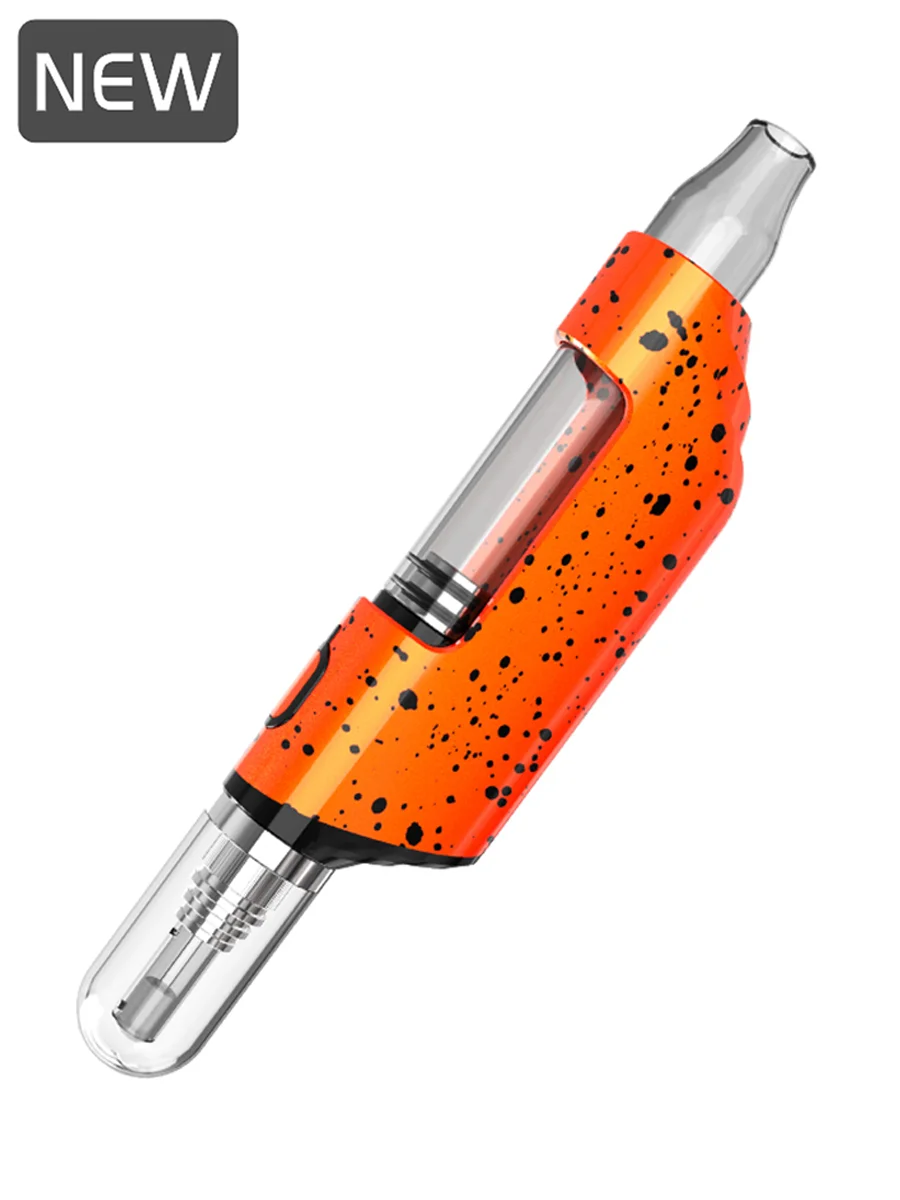
How Vape Shops Choose What Products To StockHow Vape Shops Choose What Products To Stock

When it comes to stocking their shelves, nectar collector shops face a touchy reconciliation act between client , production timber, brand repute, pricing, and sound regulations. These retailers must voyage a apace evolving landscape painting shaped by preferences, manufacture design, and political science supervision. The process of selecting which products to offer is not plainly about choosing the most nonclassical brands; it requires a strategical set about that blends commercialize search, supplier relationships, and an sympathy of the shop s unique client base.

One of the primary quill considerations vape shop owners make is client demand. By staying in tune with their local market, either through aim feedback, sales data, or online trends, shops can better determine which e-liquids, devices, and accessories are likely to sell. Many vape shop owners maintain close relationships with regular customers, often asking for stimulation on what flavors or new hardware they would like to see. This set about not only builds customer trueness but also helps tighten the risk of overstocking items that may not sell.

Equally profound is production timbre. Vape shops are especially troubled to avoid stocking items that could pose refuge risks or reflect poorly on their stigmatize. They often choose to work with prestigious manufacturers and distributors that can warrant production legitimacy and submission with refuge standards. Authenticity is crucial in an industry where fake or low-grade products can be degrading and trust. Product testing, certifications, and fixings transparence all play into a vape shop’s -making work when evaluating new stock.

Pricing is another major factor. Vape shop owners must weigh the cost of products against their potency markup and how they equate to competitors. They aim to strike a balance between affordability and quality, ensuring customers feel they are getting value for money without vulnerable on refuge or performance. This often involves negotiating bulk discounts or scoop deals with distributors, especially when introducing new products or brands.

Brand reputation and popularity within the vaping community also influence stocking decisions. Some products, such as Juul or GeekVape, carry considerable stigmatize realisation and can pull customers based on name alone. Vape shops supervise online reviews, forums, and sociable media platforms to stay updated on what s trending. If a particular season or device is gaining adhesive friction on platforms like Reddit or YouTube, chances are that customers will soon start asking for it in-store.

Finally, shops must voyage complex restrictive requirements, which vary widely by region. In some areas, flavored e-liquids may be qualified, or certain nicotine strengths may be limited. Vape shop owners need to control all furnished products meet local anaesthetic and Federal regulations to avoid valid penalties and keep their byplay tractable. This sometimes means having to lay off nonclassical products or correct offerings rapidly in response to changes in the law.

In essence, choosing what to sprout is a constant work on of valuation and adaptation. Vape shops that thrive are those that continue nimble, hep, and customer-focused, making serious choices that reflect both commercialize trends and a to quality and safety.

Le Information Suprême Des Déodorants: Bénéfices, Éléments, Et Les Meilleurs RecommandationsLe Information Suprême Des Déodorants: Bénéfices, Éléments, Et Les Meilleurs Recommandations


De nos jours, de plus en plus de personnes se tournent d’opter pour des solutions naturelles et plus écologiques pour leurs produits de soins quotidiens, et les déodorants ne font pas exception. Le déodorant naturel gagne en intérêt en raison de ses bénéfices multiples, tant pour la peau que pour l’environnement. Contrairement aux déodorants traditionnels qui contiennent souvent des ingrédients chimiques tels que des parabènes, des sels d’aluminium, des colorants artificiels ou encore des parfums synthétiques, les déodorants naturels font appel à des ingrédients d’origine végétale ou minérale pour neutraliser les mauvaises odeurs et apporter un soin doux à la peau.

L’une des principales raisons pour lesquelles les consommateurs choisissent des déodorants naturels est qu’ils sont plus sûrs pour la santé. Les déodorants classiques peuvent contenir des produits chimiques qui, bien qu’efficaces, peuvent causer des irritations cutanées, des allergies ou d’autres effets indésirables à long terme. Par exemple, les sels d’aluminium, qui sont couramment utilisés dans les déodorants antitranspirants, ont été mis en cause pour leur lien potentiel avec des troubles comme le cancer du sein et la maladie d’Alzheimer. En revanche, les déodorants naturels utilisent des ingrédients comme le bicarbonate de soude, l’argile, les huiles essentielles, ou l’amidon de maïs, qui sont non seulement plus doux pour la peau, mais également moins enclin à causer des réactions négatives.

Un autre facteur qui attire de plus en plus de consommateurs vers les déodorants naturels est leur respect de l’environnement. De nombreuses marques de déodorants naturels adoptent une approche éco-responsable en proposant des produits sans emballages plastiques ou en utilisant des matériaux recyclés et recyclables. De plus, en choisissant des déodorant oud s fabriqués à partir d’ingrédients biologiques et durables, on participe activement à la réduction de notre empreinte carbone et à la préservation de la planète. C’est un geste simple mais puissant qui peut avoir un impact positif à long terme.

Les déodorants naturels ne sont pas seulement meilleurs pour la santé et l’environnement, ils sont également tout aussi efficaces que leurs homologues chimiques. Bien que l’idée de ne pas utiliser de produits chimiques puissants pour arrêter la transpiration puisse sembler inquiétante, il faut savoir que la transpiration est un processus naturel du corps humain, et que empêcher totalement ce phénomène n’est ni sain ni nécessaire. Les déodorants naturels ne bloquent pas la transpiration, mais ils neutralisent les odeurs, offrant une protection performante pendant toute la journée. Des ingrédients comme le beurre de karité ou l’huile de coco, par exemple, ont également des propriétés nourrissantes qui aident à maintenir la peau douce et hydratée, ce qui est un atout non négligeable pour ceux qui ont la peau sensible.

Il est important de noter que l’adoption d’un déodorant naturel peut demander une période d’adaptation. Le corps, habitué à des déodorants chimiques, peut avoir besoin de temps pour se rééquilibrer. De plus, la sensibilité des peaux peut varier d’une personne à l’autre, et certaines personnes peuvent éprouver des désagréments lors des premières utilisations. Toutefois, une fois cette phase de transition passée, les utilisateurs constatent généralement des bienfaits sur leur peau et leur bien-être général.

En conclusion, les déodorants naturels représentent une alternative saine et écologique aux produits conventionnels. En offrant une protection efficace tout en respectant la peau et l’environnement, ces produits sont un choix judicieux pour ceux qui cherchent à adopter un mode de vie plus responsable et plus respectueux de la nature.

Sympathy Instagram A Dynamic And Spirited Social Media Weapons PlatformSympathy Instagram A Dynamic And Spirited Social Media Weapons Platform

Instagram, an American sociable media practical application owned by Facebook Inc., is a platform that primarily focuses on exposure and video recording sharing. Originating in October 2010, it apace gained popularity world-wide, amassing over a one thousand million users in just ten age. Its interface is user-friendly and promotes seeable expression, enabling users to share their life’s precious moments, capturing and immortalizing them for the earth to see.

The primary feature that sets Instagram apart from other mixer media applications is its see-centric approach, portion users to pass visually with their following. This unique focalize encourages creativeness, and as a leave, Comprar Visualizações Reels has become a platform not just for social fundamental interaction, but also for art, photography, and publicizing. Moreover, it features a variety show of filters and editing tools, providing users with an increased dismantle of control over their posts’ appearance.

Instagram’s other prod features put up to its popularity, including Instagram Stories and IGTV. Instagram Stories allow users to partake in photos and short videos that disappear after 24 hours, offer a platform for more intuitive and less svelte . IGTV, on the other hand, caters to long-form videos, providing a space corresponding to YouTube but within the Instagram ecosystem.

The social media hulk also professionally caters to businesses. It offers a range of selling tools to help businesses of all sizes strive wanted demographics, increase participation and drive sales. This includes sponsored posts, shoppable posts, ads in Stories, and analytics tools. It has thus become a valuable plus in integer merchandising strategies.

Moreover, the platform has publicized substantial developments in the kingdom of sociable media influence. With the talkative growth of influencer , Instagram offers a weapons platform where individuals can monetize their personal mar through sponsored partnerships and collaborations with companies. This phenomenon has given rise to a new wave of merchandising influencer merchandising, which has influenced consumer conduct.

Additionally, Instagram is constantly rolling out features that put up to the refuge and wellbeing of its users. With various privacy settings and features intended to reduce cyberbullying, Instagram ensures that the platform clay a safe space for its user base. It’s also well-tried to be an operational tool during crises, with many users and organizations using the weapons platform to spread out sentience and court aid during emergencies and world-wide events.

In ending, Instagram is much more than a photo-sharing app. It s a varied and original platform where individuals and businesses can utter themselves, connect with others, and even monetize their activities. Its rapid growth and phylogeny make it one of the most powerful social media platforms of the 21st .