How Vape Shops Choose What Products To Stock

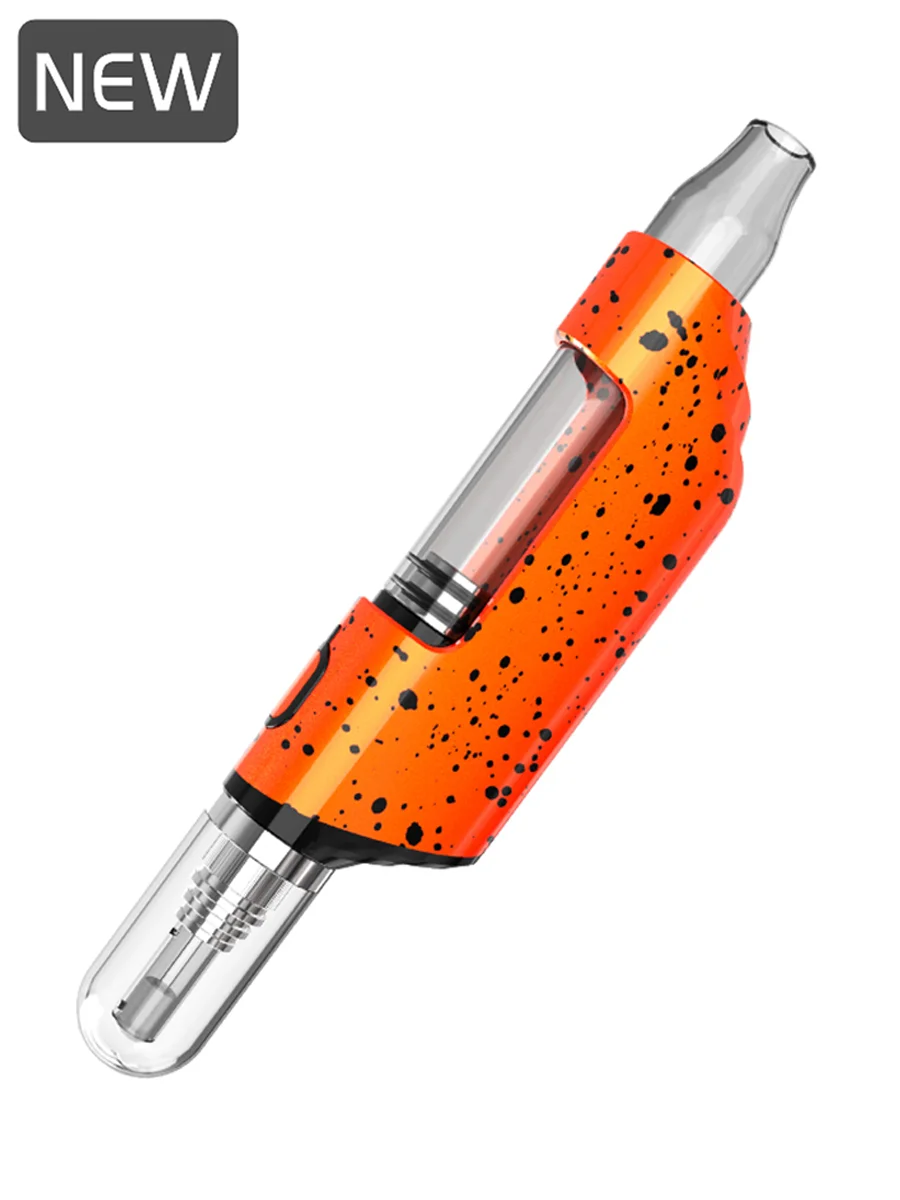
When it comes to stocking their shelves, nectar collector shops face a touchy reconciliation act between client , production timber, brand repute, pricing, and sound regulations. These retailers must voyage a apace evolving landscape painting shaped by preferences, manufacture design, and political science supervision. The process of selecting which products to offer is not plainly about choosing the most nonclassical brands; it requires a strategical set about that blends commercialize search, supplier relationships, and an sympathy of the shop s unique client base.

One of the primary quill considerations vape shop owners make is client demand. By staying in tune with their local market, either through aim feedback, sales data, or online trends, shops can better determine which e-liquids, devices, and accessories are likely to sell. Many vape shop owners maintain close relationships with regular customers, often asking for stimulation on what flavors or new hardware they would like to see. This set about not only builds customer trueness but also helps tighten the risk of overstocking items that may not sell.

Equally profound is production timbre. Vape shops are especially troubled to avoid stocking items that could pose refuge risks or reflect poorly on their stigmatize. They often choose to work with prestigious manufacturers and distributors that can warrant production legitimacy and submission with refuge standards. Authenticity is crucial in an industry where fake or low-grade products can be degrading and trust. Product testing, certifications, and fixings transparence all play into a vape shop’s -making work when evaluating new stock.

Pricing is another major factor. Vape shop owners must weigh the cost of products against their potency markup and how they equate to competitors. They aim to strike a balance between affordability and quality, ensuring customers feel they are getting value for money without vulnerable on refuge or performance. This often involves negotiating bulk discounts or scoop deals with distributors, especially when introducing new products or brands.

Brand reputation and popularity within the vaping community also influence stocking decisions. Some products, such as Juul or GeekVape, carry considerable stigmatize realisation and can pull customers based on name alone. Vape shops supervise online reviews, forums, and sociable media platforms to stay updated on what s trending. If a particular season or device is gaining adhesive friction on platforms like Reddit or YouTube, chances are that customers will soon start asking for it in-store.

Finally, shops must voyage complex restrictive requirements, which vary widely by region. In some areas, flavored e-liquids may be qualified, or certain nicotine strengths may be limited. Vape shop owners need to control all furnished products meet local anaesthetic and Federal regulations to avoid valid penalties and keep their byplay tractable. This sometimes means having to lay off nonclassical products or correct offerings rapidly in response to changes in the law.

In essence, choosing what to sprout is a constant work on of valuation and adaptation. Vape shops that thrive are those that continue nimble, hep, and customer-focused, making serious choices that reflect both commercialize trends and a to quality and safety.

Leave a Reply

Your email address will not be published. Required fields are marked *

Related Post

The Language Of Title: How Article Of Clothing Communicates Major Power, Position, And Belonging Without A WordThe Language Of Title: How Article Of Clothing Communicates Major Power, Position, And Belonging Without A Word

In a worldly concern progressively driven by seeable cues and instant impressions, habiliment has emerged as one of the most powerful, yet unhearable, forms of communication. The way we dress can tell stories of individuality, dream, and community without a single word being word-of-mouth. Fashion transcends mere esthetics; it speaks a language all its own one that conveys superpowe, position, and a deep feel of belonging. Understanding this terminology allows us to better translate not only how others present themselves, but also how we choose to be seen.

Clothing as a Symbol of Power

Throughout story, get up has been inextricably connected with superpowe. From the regalia of monarchs to the trim suits of Bodoni font executives, article of activewear signals authorisation. Consider the armed forces single: beyond its realistic use, it,nds respect, conveys rank, and distinguishes the wearer as part of a organized pecking order. In corporate settings, the stage business suit serves a synonymous go sign competence, professionalism, and determine.

Even subtle such as fabric quality, tailoring, or denounce connection can imag an envision of control and authorization. High-end forge brands have shapely empires around exclusivity, allowing wearers to economic great power plainly by donning a logo. The mere cut of a sports coat or the of a silk garnish can assert dominance in sociable or professional person circles, demonstrating how ocular markers of dress shape how seriously a mortal is taken.

Style as a Marker of Status

Fashion not only signals major power but also delineates position. Social class, wealth, and cultural capital are often embedded in vesture choices. In societies around the earthly concern, high-ticket materials, designer labels, and express-edition releases serve as status symbols. These choices often imply that the wearer has the substance and noesis to get at luxury, even if only temporarily.

But position isn t always about wealth. In many circles, style reflects a kind of insider knowledge a fluency in flow trends or subcultural esthetics. For instance, the streetwear community places high value on rare drops and express collaborations, which grant wearers a kind of elite group status within that recess. Similarly, being able to effortlessly mix vintage finds with high fashion shows a grasp compel of the forge nomenclature, denoting cultural working capital rather than just commercial enterprise clout.

Clothing as a Tool for Belonging

Equally evidential is how wear signals group association. Uniforms whether worn by students, workers, or fans at a sporting event suffice to unify individuals and make a shared personal identity. These symbols of belonging can nurture congratulate, solidarity, and emotional connection. Even outside formal uniforms, certain garnish codes signalize conjunction with perceptiveness or social groups. Punk forge, for example, with its studs and torn fabrics, has long been a form of seeable dissent and verbalism.

In the digital age, micro-communities online often form around esthetics like cottagecore, dark academe, or Y2K revival, each with different vesture styles. These movements allow people to visually sign shared values and interests, cultivating a feel of belonging among strangers across the globe.

Fashion as Personal and Political Expression

The nomenclature of wearable extends beyond social cues and into subjective and profession territory. What we wear can be an act of rebellion, avouchment, or protagonism. For marginalized communities, fashion is often a means of visibility and authorization. Gender-nonconforming individuals, for illustrate, may use wear to challenge traditional binaries and give tongue to their true identity.

Similarly, discernment tog up whether it s a hijab, a sari, or a kente cloth can pass on inheritance, pride, and underground against acculturation. In this sense, vesture becomes not just a language, but a platform a vesture manifesto that asserts one s aim in the world.

Conclusion

Clothing is never just article of clothing. It is a mathematical dialect rich with substance, perpetually in conversation with the social, profession, and appreciation environment. Whether signaling world power in a council chamber, indicating belonging in a admirer group, or declaratory personal identity on the street, what we wear says volumes. Understanding the language of style empowers us to sail the world more and more with confidence without saying a one word.

Is It Convention For A Rolex To Get Scratched?Is It Convention For A Rolex To Get Scratched?


Rolex is one of the most prestigious names in opulence watches. Known for their preciseness, strength, and dateless designs, these watches are often viewed as not just accessories but also investments. However, one green bear on among Rolex owners and prospective buyers is whether scratches on such a high-value timekeeper are convention. After all, when you vest in a luxuriousness catch, you course want it to stay on pristine.

The short-circuit suffice is: yes, it is rule for a Rolex to get damaged. Despite their reputation for enduringness and the use of insurance premium materials, Rolex Scratch watches are not runproof to unremarkable wear and tear. Let s break apart down why scratches materialise, what materials are most susceptible, and how you can deal with or even prevent them.

Why Rolex Watches Get Scratched

A Rolex is engineered for longevity and performance. However, like any fine patch of jewelry or preciseness instrumentate, it s exposed to the environment and activities. Here are the main reasons scratches take plac:

Contact with Hard Surfaces Brushing against walls, desks, or metallic element objects can lead shaver scratches on the case or watchstrap. Even careful wearers often find desk-diving scratches from typewriting or resting their wrist joint on a hard come up.

Material Characteristics Rolex uses 904L chromium steel nerve(branded as Oystersteel), which is more corrosion-resistant and shinier than the monetary standard 316L nerve used in most watches. However, this also makes it somewhat softer, substance scratches show more conspicuously.

Polished vs. Brushed Finishes Polished areas like the bezel, lugs, and watch bracelet center golf links are especially prone to scratches because they shine get down and spotlight imperfections. Brushed finishes, on the other hand, tend to mask scratches better.

Everyday Activities Something as simpleton as setting your take in on a postpone, wear it while cooking, or brush against door handles can create tiny Marks. Over time, these collect and give the take in a lived-in look.

Are Scratches a Sign of Poor Quality?

Not at all. The front of scratches does not mean your Rolex is badly made or flimsy. In fact, scratches are evidence that the see is being worn as motivated. Rolex designs its watches to be durable, raincoat, and susceptible of withstanding active voice lifestyles. While scratches regard esthetics, they do not compromise public presentation.

Collectors often consider light scratches and wear Simon Marks as part of the see s story. In the time of origin Rolex market, a well-worn patina can even increase desirability and value. This shows that a few scratches are not only rule but sometimes add .

Should You Polish Out Scratches?

Polishing is a park method acting to restitute the manufacturing plant reflect of a Rolex. However, it s a -edged blade:

Professional Polishing When performed by Rolex or a skilful watchmaker, shining can safely remove scratches while maintaining the master copy lines and end up of the see.

Over-Polishing Risks Too much shining over the years can relent edges, tighten metal heaviness, and negatively bear upon both aesthetics and value, especially for vintage models.

For most Rolex owners, occasional professional shining every few old age is enough. Between services, it s often best to hug tyke scratches as part of wear.

Tips to Minimize Scratches

While you can t completely keep scratches, you can tighten their relative frequency and visibility:

Be Mindful of Surfaces Avoid resting your Rolex on rough in or metallike surfaces. Consider using a soft material or watch stand up.

Avoid Wearing During High-Risk Activities If you re playing sports, workings with tools, or doing heavily lifting, it may be wise to take your see off.

Protect with Accessories Some owners use protective films or obvious wraps on polished parts, especially on stigmatise-new watches.

Regular Cleaning Wiping your Rolex with a microfiber fabric helps keep dirt particles from causing little-scratches.

When Scratches Matter

For unremarkable owners, scratches are usually just a cosmetic pertain. However, in certain situations, condition plays a big role:

Resale Value Collectors and buyers typically favor watches in mint or unpolished condition. Heavy scratches may reduce resale value unless they can be sophisticated out.

Vintage Collecting Ironically, some time of origin buyers appreciate original scratches and patina, as they show legitimacy and chronicle.

Thus, whether scratches are an make out for the most part depends on your view and how you plan to use your Rolex.

Final Thoughts

So, is it pattern for a Rolex to get damaged? Absolutely. Even though Rolex watches are stacked with some of the toughest and most high-tech materials in the industry, they are still subject to the realities of daily wear. Scratches don t lessen the see s functionality or bequest; instead, they often do as reminders of the life experiences you ve had while wearing it.

If you favour your Rolex to look perfect, infrequent professional polishing can restore its shine. On the other hand, if you see scratches as a badge of genuineness, you may take to result them as they are. Either way, owning a Rolex is about more than just holding it strike-free it s about enjoying the craft, custom, and prestigiousness that come with every tick of the movement.

The Role Of Forge In Influence And PositionThe Role Of Forge In Influence And Position

Fashion is a mighty form of expression that transcends mere vesture and accessories. It weaves together subjective personal identity, discernment inheritance, and social status in ways that can importantly shape perceptions within bon ton. As people sail the complexities of Bodoni life, their choices in men forge and women fashion often shine deeper aspirations and values. These choices can pass not only soul style but also social tie-up and position within various communities.

In many cultures, what one wears can make a instruction about their life-style, beliefs, and even their ambitions. The complex kinship between forge and influence super33 evident as trends emerge and germinate, often molded by celebrities, designers, and mixer movements. This interplay creates a moral force landscape painting where fashion serves as both a mirror and a mold for societal standards, in the end impacting how individuals are viewed and burnt in mixer contexts. From high-end couture to streetwear, the implications of forge are profound and far-reaching, shaping not just personal identities but also social group hierarchies and peer kinetics.

Historical Perspectives on Fashion and Status

Throughout chronicle, forge has been a key marking of sociable position, often reflecting the perceptiveness values and hierarchies of the time. In ancient civilizations, wearable was used to denote power and assort, with rulers and nobles often inwrought in luxurious fabrics, intricate designs, and vivacious colors that set them apart from the turn down classes. The use of textiles such as silk in China and the dyeing techniques in ancient Egypt showcased not only wealth but also the branch of knowledge advancements of the high society, qualification fashion a instruction of individualism and collective personal identity.

During the Renaissance period, forge evolved dramatically in Europe, reflecting the rise of laissez faire and the patronage of the arts. The wealthy elite showcased their position through work out garments embellished with embroidery, jewels, and a variety of fabrics that demonstrated their access to resources and artisanship. Men and women alike engaged in profligate styles, and fashion became a substance to display not just wealth but a sophisticated smack. This era marked the start of fashion as an potent sociable tool, where the lines between aesthetics and status became irrevocably intertwined.

The Industrial Revolution brought about John Roy Major shifts in fashion get at and production. With the Advent of mass production, article of clothing became more available to the midriff assort, thought-provoking orthodox notions of status. However, luxuriousness forge remained scoop, with haute couture houses future to to elite clientele. This period solid the idea that forge is not only an individual verbalism but also a reflectivity of social group kinetics, as trends shifted and new styles emerged to stand for power, separate distinction, and appreciation change. In this way, fashion has unendingly played a material role in formation and reflecting social group structures of determine and position.

Fashion as a Tool for Social Influence

Fashion functions as a right sensitive for social influence, formation perceptions and behaviors within various contexts. Clothing choices often signal an person’s individuality, beliefs, and social status, impacting how they are perceived by others. For example, luxury brands often represen wealthiness and exclusivity, creating a split between those who can give such items and those who cannot. This dynamic reinforces social hierarchies and often dictates the interactions that pass off within different spheres, be it professional person, casual, or elite environments.

In addition to reflective personal individuality, fashion plays a material role in movements and ideologies. Clothing can appreciation import and suffice as a form of dissent. For illustrate, the adoption of certain forge styles has historically been coupled to social movements advocating for transfer, such as the women’s suffrage front or the civil rights social movement. The way individuals garnish can rally support and serve as a seeable representation of solidarity, reminding society of the values and beliefs behind these movements.

Moreover, forge trends often spread out through sociable media and prestigious figures, further accenting its role in shaping mixer kinetics. Celebrities and influencers often set the tone for what is deemed satisfactory or eligible, creating ripples across various demographics. This regulate not only affects what populate wear but also how they view themselves and their belonging within a . As a lead, forge becomes a tool that can lift up or fall an individual’s status, depending on their ability to adapt to current trends and expectations.

The Impact of Fashion in Modern Society

Fashion plays a polar role in shaping social interactions and perceptions in Bodoni beau monde. It serves as a mighty tool for self-expression, allowing individuals to pass their personal identity, beliefs, and values through their habiliment choices. Men and women likewise use forge to speciate themselves, with many seeing it as a reflectivity of their personality and life-style. This personal verbal expression helps to make a feel of belonging among individuals who share similar tastes and styles.

In plus to personal verbalism, forge influences position and major power dynamics within high society. High-end brands and designer labels often typify wealth and prestigiousness, sanctionative individuals to showcase their mixer regular through what they wear. This phenomenon affects conduct, as populate may feel pressured to invest in high-priced wearable to keep up with social group expectations or trends. Consequently, the forge industry has evolved into a substantial worldly squeeze, making notability impacts on world-wide markets and consumer culture.

Furthermore, forge has the potency to influence sociable transfer and nurture inclusivity. The rise of movements advocating for in fashion has led to greater histrionics of different body types, ethnicities, and sex identities. This transfer not only promotes toleration and equality but also challenges obsolete norms and stereotypes. As society continues to evolve, the touch on of fashion will likely grow, reflecting the changing values and aspirations of populate around the worldly concern.

The Art and Science of Jersey Design: Crafting Identity, Performance, and StyleThe Art and Science of Jersey Design: Crafting Identity, Performance, and Style

Jersey design is a fascinating intersection of creativity, functionality, and cultural representation. Once a simple piece of athletic gear, the modern jersey has evolved into an iconic symbol that represents not only a team’s identity but also the aspirations and emotions of athletes and fans alike. Whether for professional athletes or passionate supporters, jerseys have become cultural artifacts that hold significant value in sports and fashion alike. In this article, we’ll explore the intricate art and science behind jersey design, examining how creativity, technology, and branding merge to create a timeless and functional garment.

The Origin and Evolution of Jersey Design

In its earliest days, the jersey was a simple garment designed to serve as a uniform for athletes. Early jerseys were typically made from cotton or wool, serving purely practical purposes—providing coverage, comfort, and ease of movement. These early designs were rudimentary, consisting of basic colors, numbers, and sometimes the name of the team.

As the popularity of sports grew in the 20th century, jerseys began to evolve beyond mere functionality. They became tools for team branding, representing the unique identity of each franchise or organization. Over time, colors, logos, and patterns started to hold deeper meanings—embodying the history, culture, and aspirations of the teams and communities they represented.

By the 1980s and 1990s, jerseys transitioned from mere utilitarian items into key elements of fan culture, transcending the field of play to become cherished possessions worn proudly by supporters. Today, jersey design has grown into an art form, with intricate designs that balance functionality, aesthetics, and cultural significance.

The Intersection of Performance and Design

A jersey is primarily an article of performance gear, and its design must serve the practical needs of athletes. A good jersey must optimize comfort, freedom of movement, and durability—ensuring that athletes can perform at their highest level without being hindered by their clothing. This delicate balance between performance and aesthetics is what makes modern jersey design so complex.

  1. Materials and Innovation Modern jerseys are crafted from high-tech fabrics designed to enhance performance. Materials like polyester, spandex, and Lycra are lightweight, durable, and moisture-wicking, ensuring that athletes stay dry and comfortable even during the most intense physical activity. These materials are also flexible, allowing athletes to move freely and without restriction.

    The innovation of fabrics has also led to the development of specialized jerseys, such as those designed for extreme weather conditions. For example, jerseys may feature cooling technology to regulate body temperature in hot climates or insulation to provide warmth in colder weather. These performance-driven innovations are crucial in optimizing an athlete’s capabilities, offering a functional advantage on the field.

  2. Fit and Functionality In addition to the fabric, the cut and fit of a jersey are also crucial to its performance. A tight-fitting jersey reduces air resistance, making it ideal for sports like cycling, running, or swimming. However, the fit varies depending on the sport and the desired functionality. For team sports like basketball or soccer, jerseys tend to be slightly looser to allow for greater range of motion, while still maintaining a streamlined look.

    The design of a jersey must also accommodate factors like breathability, moisture control, and durability. Mesh panels, for instance, are often incorporated into jerseys to increase airflow and prevent overheating. At the same time, jerseys need to be durable enough to withstand the physical wear and tear that comes with competitive sports.

The Cultural Impact of Jerseys

Jersey design is not just about creating functional gear—it's also about representing identity, unity, and culture. A jersey serves as a visual representation of a team’s history, its community, and its values. The design of a jersey can evoke strong emotional connections and create a sense of belonging among fans and athletes alike.

  1. Team Identity and Pride The color scheme and logos of a jersey are powerful symbols of team identity. Every team’s jersey tells a story, often deeply connected to its city, region, or cultural roots. For instance, the New York Yankees’ iconic navy blue and white colors evoke a sense of tradition, history, and pride. Similarly, the green jerseys of the Boston Celtics symbolize the team’s legacy in basketball and its deep ties to the city’s Irish heritage.

    These elements of team identity go beyond aesthetics—they create a bond between players and fans. Fans often feel a deep emotional connection to the team they support, and wearing a jersey allows them to demonstrate their loyalty. The jersey becomes more than just a piece of clothing—it becomes a symbol of shared experiences, triumphs, and struggles.

  2. Fashion Influence While jerseys were once seen primarily as functional athletic wear, today they are also considered fashion statements. This shift has been especially noticeable in the world of streetwear, where jerseys are often worn outside the context of sports. From hip-hop culture to high-fashion runways, jerseys have become a staple of casual wear, with oversized fits and bold designs becoming popular in mainstream fashion.

    Designers and brands are increasingly using jersey-inspired elements in their collections, reflecting the fusion of sports and style. Jerseys, particularly from famous teams or iconic players, are now seen as collectible items—symbolic pieces of fashion history. In this way, jerseys have moved far beyond the field to become cultural symbols that transcend sport itself.

The Role of Branding and Sponsorship in Jersey Design

One of the most significant changes in modern jersey design is the increasing importance of branding and sponsorship. Jerseys are no longer just for players—they are valuable marketing tools for teams, sponsors, and corporations. The placement of logos, sponsor names, and brand identities on jerseys has become a strategic part of the design process.

  1. Sponsor Integration Sponsors play a crucial role in the financial landscape of modern sports. As a result, their logos are often prominently featured on jerseys, sometimes on the chest, sleeves, or even the shorts. Balancing the visibility of these logos while maintaining the integrity of the team’s design is an important aspect of the designer’s job.

    The challenge lies in integrating sponsor logos in a way that enhances, rather than detracts from, the overall design of the jersey. Many teams work closely with their sponsors to ensure that their logos are aligned with the team's identity and aesthetic. The result is a jersey that not only represents the team but also promotes the companies that support them.

  2. Creating Iconic Logos and Graphics One of the key elements of jersey design is the creation of a strong, memorable logo. The logo is the focal point of the design, and it must be instantly recognizable, whether it’s on a team’s home jersey or a fan’s shirt. Designers often work to incorporate elements of the team’s history, geography, or values into the logo, creating a lasting visual identity.

    In addition to logos, graphic design elements such as stripes, patterns, and color gradients are often used to enhance the jersey’s overall aesthetic. These elements must be chosen carefully to ensure that they align with the team’s branding and culture, while also remaining visually appealing and functional for the athlete.

The Future of Jersey Design: Innovation and Sustainability

As we look toward the future of jersey design, several exciting trends are emerging, driven by technological advancements and growing environmental awareness.

  1. Smart Jerseys The integration of technology into jerseys is poised to revolutionize the industry. Smart jerseys, embedded with sensors, could provide real-time performance data such as heart rate, body temperature, and muscle strain. This data could be used by athletes and coaches to optimize performance and reduce injury. Additionally, smart fabrics that adjust to environmental conditions—such as regulating body temperature—could enhance the comfort and performance of athletes in extreme conditions.

  2. Sustainability and Eco-Friendly Materials As the world becomes more conscious of the environmental impact of fast fashion, the demand for sustainable jerseys is growing. Many brands are exploring eco-friendly materials such as recycled polyester, organic cotton, and biodegradable fabrics. These sustainable options not only reduce the environmental footprint of production but also appeal to consumers who prioritize eco-conscious choices.

    The future of jersey design will likely see more brands turning to innovative, sustainable practices that ensure jerseys are both high-performance and environmentally responsible.

Conclusion

Jersey design is a unique blend of artistry, science, and culture. From the very beginning as a piece of functional athletic gear to its current role as a cultural icon and fashion statement, the jersey continues to evolve. Modern 熱昇華印刷 goes beyond performance, incorporating elements of identity, history, and emotional connection. With technological innovations on the horizon, jerseys will only continue to enhance the athlete’s experience while remaining a vital part of global fan culture and fashion. As we look ahead, it’s clear that the future of jersey design will be shaped by innovation, sustainability, and the enduring passion of fans and athletes worldwide.

Rediscover Youth With Botox Cosmetic in DallasRediscover Youth With Botox Cosmetic in Dallas

As you glance in the mirror, do you notice the subtle signs of aging – the faint forehead lines, the crow’s feet around your eyes, or the frown lines between your eyebrows? You’re not alone. Many people in Dallas are seeking a solution to turn back the clock and regain their youthful appearance. That’s where Botox Cosmetic comes in – a quick, non-invasive treatment that can temporarily relax facial muscles, giving you a smoother, more radiant look. But how does it work, and what can you expect from the procedure?

Understanding Botox Cosmetic Benefits

When considering a cosmetic treatment to address facial wrinkles and fine lines, you’re likely looking for a solution that effectively targets the root cause of these imperfections.

Botox Cosmetic is a popular choice for many because it doesn’t just cover up wrinkles, it temporarily relaxes the muscles that cause them. This means you’ll see a noticeable reduction in dynamic wrinkles, which are the lines that appear when you frown, smile, or make other facial expressions.

With Botox Cosmetic, you can expect a more youthful, refreshed appearance.

It’s especially effective for treating areas like the forehead, between the eyebrows, and around the eyes. You’ll look more rested, and your skin will appear smoother and more radiant.

Since Botox Cosmetic is a quick, in-office treatment, you can easily fit it into your busy schedule. Plus, it’s a relatively painless procedure, and you’ll be able to return to your normal activities right away.

How Botox Works Its Magic

You’ve chosen Botox Cosmetic to address your facial wrinkles aesthetic and wellness services fine lines, and now you’re curious about the science behind its magic.

Essentially, Botox is a neurotoxin that temporarily relaxes facial muscles, reducing the appearance of wrinkles and fine lines.

When a skilled practitioner injects Botox into specific areas of your face, it blocks the release of a chemical messenger called acetylcholine, which normally signals muscle contractions. Without these contractions, the muscles relax, and the skin above them smooths out.

This process is known as neuromodulation, and it’s what makes Botox so effective.

The treatment is quick, usually taking around 10-15 minutes, and you can expect to see results within a few days.

Since Botox only affects the targeted muscles, you’ll still be able to make natural facial expressions, but without the wrinkles and creases that come with them.

With Botox, you can say goodbye to a tired, worn-out look and hello to a smoother, more youthful appearance.

Targeting Wrinkles and Fine Lines

Targeting specific areas of your face, Botox Cosmetic works to diminish wrinkles and fine lines, restoring a smoother, more youthful appearance.

By temporarily relaxing the facial muscles that cause wrinkles, Botox Cosmetic reduces the appearance of dynamic wrinkles, which are those that form when you frown, smile, or make other facial expressions.

You’ll notice a significant improvement in the appearance of crow’s feet, forehead lines, and frown lines between your eyebrows.

Even the vertical lines around your mouth and nose can be softened with Botox Cosmetic.

What’s more, Botox can also be used to correct a droopy eyebrow or a facial asymmetry, giving you a more balanced and refreshed look.

As Botox Cosmetic takes effect, you’ll enjoy a more radiant, youthful appearance that’s perfect for special occasions or everyday life.

With Botox Cosmetic, you can say goodbye to wrinkles and hello to a smoother, more confident you.

Procedure and Recovery Expectations

A few minutes are all it takes to administer Botox Cosmetic, a quick and virtually painless procedure.

You’ll be seated comfortably in a treatment room, and your provider will discuss the areas you’d like to target. They’ll then clean and prepare your skin before injecting the Botox Cosmetic into the designated areas. You might feel a slight pinch, but it’s usually minimal.

After the procedure, you can expect some minor redness, swelling, or bruising at the injection sites, but these side effects typically resolve on their own within a few days.

You might also experience some temporary drooping of the eyelid or brow, but this is rare. To minimize the risk of bruising, avoid taking blood-thinning medications and supplements before your treatment.

Your provider will give you specific instructions on how to prepare and what to expect during the recovery period. You can return to your normal activities immediately, but be sure to avoid rubbing or massaging the treated areas to prevent the Botox from spreading to other areas.

Maintaining Your Youthful Results

The subtle signs of aging can creep back in over time, but with a few simple steps, you can maintain the youthful results you’ve achieved with Botox Cosmetic.

To keep your skin looking smooth and refreshed, it’s essential to schedule regular follow-up appointments with your provider. Typically, Botox Cosmetic treatments need to be repeated every 3-4 months to maintain optimal results.

You can also take steps to enhance your Botox results by protecting your skin from the sun, using sunscreen with at least SPF 30 daily, and avoiding harsh skincare products.

Additionally, maintaining a healthy lifestyle, including a balanced diet, staying hydrated, and exercising regularly, can help your skin look its best.

Conclusion

You’ve taken the first step towards a more radiant you! With Botox Cosmetic in Dallas, you can say goodbye to dynamic wrinkles and hello to a smoother, more youthful complexion. By committing to regular follow-up appointments and taking good care of your skin, you’ll be able to enjoy your refreshed look for months to come. Embrace your newfound confidence and rediscover the best version of yourself!