
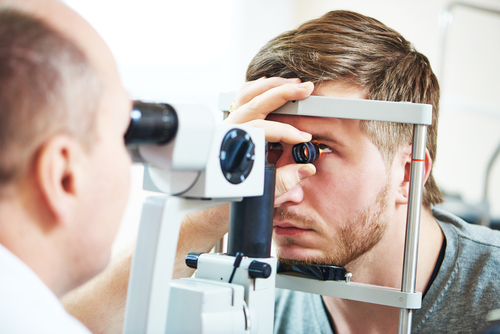
Ophthalmology: A Comprehensive Look at the Science of Sight

Ophthalmology is the branch of medicine dedicated to the study, diagnosis, and treatment of eye conditions. As the human eye is responsible for one of the most vital senses—sight—ensuring its health is integral to overall well-being. Ophthalmologists, medical doctors who specialize in the eyes, are not only skilled in diagnosing and treating common eye conditions but also in performing surgeries to address more serious disorders. With an expanding range of treatments, cutting-edge technology, and groundbreaking research, ophthalmology is pivotal in preserving and restoring vision.

This article explores the breadth of ophthalmology, the most prevalent eye conditions, treatment options, and emerging innovations shaping the future of eye care.

The Importance of Ophthalmology

Ophthalmology addresses a wide array of issues relating to the eye, from routine vision checks and the correction of refractive errors (like nearsightedness or farsightedness) to managing more complex diseases that threaten vision, such as glaucoma, cataracts, and retinal diseases. Eyes are incredibly intricate organs, and when something goes wrong, it can significantly affect a person's quality of life. Whether due to age, genetics, injury, or disease, the loss of vision can be devastating. That's why ophthalmology is not only about restoring sight but also about ensuring that patients can continue to lead independent, fulfilling lives.

Ophthalmologists receive extensive training to become experts in the diagnosis and treatment of eye diseases. Their work encompasses both medical and surgical solutions, which sets ophthalmology apart from other fields like optometry or opticianry, which focus on vision correction.

Common Eye Conditions in 微笑矯視價錢

While the eye is a complex organ, several eye conditions are more common than others. Here are some of the leading diseases and disorders that ophthalmologists frequently manage:

1. Cataracts

Cataracts are the clouding of the lens inside the eye, leading to blurry vision. They are most common in older adults but can also result from trauma, certain medications, or genetic factors. Cataracts can cause a gradual decline in vision, but the treatment is straightforward: cataract surgery. During this procedure, the cloudy lens is removed and replaced with an artificial intraocular lens (IOL), which is an incredibly effective treatment.

2. Glaucoma

Glaucoma is a group of eye conditions that damage the optic nerve, often as a result of elevated intraocular pressure. If left untreated, glaucoma can lead to permanent vision loss and even blindness. Glaucoma typically develops slowly and painlessly, making it difficult to detect without regular eye exams. Treatment often involves medications, laser therapy, or surgery to lower intraocular pressure and prevent further damage to the optic nerve.

3. Age-Related Macular Degeneration (AMD)

AMD is a leading cause of vision loss in older adults, particularly those over the age of 50. It affects the macula, the part of the retina responsible for central vision. AMD has two types: dry and wet. Dry AMD progresses gradually and cannot be treated, while wet AMD can lead to rapid vision loss and requires more aggressive treatments, including injections into the eye to slow the growth of abnormal blood vessels. Early detection through regular eye exams is key to managing AMD and preserving vision.

4. Diabetic Retinopathy

Diabetic retinopathy is a complication of diabetes that affects the blood vessels in the retina. High blood sugar levels can lead to damage to these blood vessels, causing leakage or swelling and ultimately affecting vision. This condition is one of the leading causes of blindness among working-age adults. Regular eye screenings for people with diabetes are critical to detecting early signs of diabetic retinopathy. Laser treatment, anti-VEGF injections, and sometimes surgery are used to treat the disease and prevent progression.

5. Refractive Errors

Refractive errors are the most common vision problems and occur when the eye does not bend light properly. They include conditions like:

  • Myopia (Nearsightedness): Objects up close are clear, while distant objects appear blurry.
  • Hyperopia (Farsightedness): Objects at a distance are clear, while close-up objects appear blurry.
  • Astigmatism: Irregular shape of the cornea or lens causes blurry or distorted vision.

These conditions can typically be treated with corrective lenses, such as glasses or contact lenses. For more permanent correction, refractive surgeries like LASIK can be performed to reshape the cornea and improve focus.

6. Dry Eye Syndrome

Dry eye syndrome occurs when the eyes don't produce enough tears, or the tears evaporate too quickly, leading to irritation, discomfort, and blurred vision. It is often more prevalent in older adults and those who spend long hours in front of computers. Treatment typically includes artificial tears, medications, lifestyle changes, or procedures to increase tear production or reduce tear drainage.

The Role of Technology in Modern Ophthalmology

In recent years, advancements in technology have revolutionized the way ophthalmologists diagnose and treat eye conditions. From improved diagnostic tools to innovative treatment options, technology has greatly expanded the capabilities of eye care. Here are some key technological advances in ophthalmology:

1. Optical Coherence Tomography (OCT)

OCT is a non-invasive imaging technique that allows ophthalmologists to view detailed cross-sectional images of the retina and optic nerve. It is commonly used to diagnose and monitor conditions like macular degeneration, diabetic retinopathy, and glaucoma. OCT provides high-resolution imaging that helps detect eye diseases early, often before symptoms are noticeable, allowing for timely intervention.

2. Femtosecond Laser Technology

Femtosecond lasers are used in various ophthalmic surgeries, including cataract surgery and LASIK. These lasers offer precision and control, allowing surgeons to create exact incisions and perform delicate procedures more effectively. The accuracy of femtosecond lasers also contributes to faster recovery times and reduced risk of complications.

3. Artificial Intelligence (AI) in Diagnosis

AI is increasingly used to enhance diagnostics in ophthalmology. Machine learning algorithms are being developed to analyze retinal images and identify early signs of conditions like diabetic retinopathy, macular degeneration, and glaucoma. AI can process large amounts of data quickly, making it a valuable tool for early detection and better management of eye diseases.

4. Robotic Surgery

Robotic surgery in ophthalmology has made significant strides, especially in retinal and cataract surgeries. Robotic systems offer enhanced precision and allow for more consistent and accurate outcomes. These systems also reduce human error and provide surgeons with real-time feedback, leading to better patient outcomes and quicker recovery times.

Preventive Care and the Future of Ophthalmology

Preventive care is crucial in ophthalmology. Regular eye exams can catch problems early, even before symptoms appear. For instance, many eye conditions like glaucoma and diabetic retinopathy can be managed effectively if detected early, preventing significant vision loss. Moreover, ophthalmologists are increasingly working with patients to promote eye health through lifestyle modifications, such as a diet rich in eye-healthy nutrients like vitamins C and E, omega-3 fatty acids, and zinc.

The future of ophthalmology is bright, with ongoing research into new treatments, surgical techniques, and technologies. One exciting development is gene therapy, which has the potential to treat inherited retinal diseases by replacing or repairing defective genes. Stem cell research also holds promise in regenerating damaged retinal cells and restoring sight in conditions that were once considered untreatable.

Moreover, advancements in wearable technologies, such as smart contact lenses and augmented reality, could transform how ophthalmologists manage and monitor eye diseases. These technologies have the potential to provide real-time data on a patient’s eye health and enable more personalized treatments.

Conclusion

Ophthalmology is an essential field of medicine that impacts millions of lives around the world. From treating common refractive errors to performing complex surgeries for retinal diseases and glaucoma, ophthalmologists are dedicated to improving vision and overall quality of life. As technology and research continue to advance, the future of ophthalmology looks promising, with new treatments, diagnostic tools, and innovations on the horizon. Whether through early detection, preventive care, or cutting-edge treatments, ophthalmology ensures that sight remains a gift to be cherished and protected for generations to come.

Leave a Reply

Your email address will not be published. Required fields are marked *

Related Post

Understanding Orthodox Smoke And Its Touch OnUnderstanding Orthodox Smoke And Its Touch On

Traditional smoke, a rehearse that dates back centuries, is still a common action around the worldly concern. People have been using tobacco plant in different forms—such as cigarettes, cigars, and pipes—for both unpaid and ceremonial purposes. Despite the discernment and mixer grandness of traditional smoking in many societies, the wellness risks associated with smoking are positive. This clause explores the touch on of traditional smoke on wellness, the reasons people bear on to smoke, and how society has responded through world health initiatives.

The Health Risks of Traditional Smoking

The most considerable and well-documented bear upon of orthodox smoking is its detrimental set up on health. Smoking has been joined to many wellness conditions, particularly those moving the lungs and vessel system of rules. Cigarette fume contains over 7,000 chemicals, many of which are unhealthful and carcinogenic. Long-term smoking can lead to chronic preventive pneumonic disease(COPD), pulmonary emphysema, and bronchitis, and is the leadership cause of lung malignant neoplastic disease.

Furthermore, smoke increases the risk of heart disease, fondle, and other vessel conditions. The inspiration of fume also weakens the immune system of rules, making smokers more impressible to infections. According to the World Health Organization(WHO), tobacco use is the single superior preventable cause of death globally, causative for more than 8 billion deaths each year.

Why Do People Smoke Traditionally?

There are several reasons why people continue to fume despite the known wellness risks. One of the primary feather factors is dependence to nicotine, the habit-forming message base in tobacco. Nicotine causes a temporary tactual sensation of euphory, which can lead to dependance. Over time, smokers need exploding amounts of nicotine to experience the same personal effects, which makes quitting even more unruly.

Social and discernment factors also play a considerable role. In many cultures, smoking is a deeply ingrained social natural process. It is seen as a way to bond with others, unlax, or even raise the enjoyment of food and drink. Peer hale, especially in junior individuals, can also mold smoke habits. For some, smoking becomes a part of their personal identity or a way of coping with strain and anxiousness.

Public Health Responses

Given the well-established wellness risks of traditional smoking, many countries have enacted populace health initiatives to tighten smoke rates and train the populace about its dangers. These initiatives let in anti-smoking campaigns, which use graphic warnings and testimonials to spotlight the risks of smoking, as well as smoking surcease programs aimed at helping people quit.

One of the most considerable public wellness measures has been the carrying out of smoking bans in world places, such as restaurants, bars, and workplaces. This has helped to reduce to old fume, which has its own wellness risks. In addition, many countries have raised taxes on tobacco plant products, qualification them less affordable and discouraging use, particularly among younger populate.

Despite these efforts, the combat against smoking is far from over. In many development countries, tobacco use clay general, and the tobacco manufacture continues to aim new markets, particularly among youth. This highlights the need for continuing weather eye in combating the tobacco epidemic.

Conclusion

Traditional smoke, while profoundly rooted in appreciation practices and sociable activities, has terrible wellness consequences. The dependance to nicotine and the sociable aspects of smoke contribute to its perseverance, despite the known risks. Public health responses have made substantial strides in reducing smoking rates, but much work stiff to be done to help individuals quit and keep new generations from taking up the habit. Healthier alternatives to smoking, such as lm blue 100 , may cater a path send on for smokers seeking to tighten their tobacco plant expenditure. However, a many-sided go about is necessary to address the make out of smoke and its impact on public wellness.

Expanding Healthcare Handiness The Importance Of Online PharmaciesExpanding Healthcare Handiness The Importance Of Online Pharmacies

The onward integer era has revolutionized many industries, with the pharmaceutical sphere, being no exception. Online pharmacies, au fon a drugstore that operates over the internet, are reshaping the way individuals access and buy out medications. They have not only spread the boundaries of orthodox retail pharmacies but also leveraged travel rapidly, convenience, and namelessness to draw i a wider customer base.

One of the biggest advantages of online pharmacies is how they make buying medications a much less time-consuming work on. Traditional methods want the client to trip to the put in, wait in a queue up, and then physically acquire their medications. Online pharmacies, on the other hand, simplify this work by delivering the needed medications right at the threshold. This is implausibly expedient for the elderly, other than-abled individuals, and populate residing in remote areas, offering them easier get at to the necessary medications they need.

Online pharmacies also provide a sense of secrecy and namelessness that conventional pharmacies usually lack. For many individuals, particularly those dealing with potentially unpleasant health conditions, the discretion offered by online pharmacies adds a stratum of comfort, supportive them to seek the necessary handling without feeling stigmatized. It is a material vista that extends to psychiatric medicines, physiological property wellness medications, and various other drugs requisite for personal health ailments.

Beyond and privacy, online pharmacies often offer competitive pricing compared to traditional retail drugstores. Particularly for individuals on long-term medications, this cost-effectiveness can result in considerable savings over time. Additionally, shop at discounts and deals on various products tempt a more -friendly environment that traditional pharmacies fight to play off.

However, while clearly beneficial, it is also necessity to practise caution when purchasing medications online. Several illegitimate child online pharmacies are unhappily fallacious activities and selling unregulated or even forge medicines. Therefore, choosing a verified, authorised online pharmaceutics with good reviews and transparent processes should be prioritized for safe and procure medicament buying.

In termination, online pharmacies are transforming the pharmaceutical manufacture by making healthcare more available. They not only volunteer and secrecy but also affordability with the added vantage of doorsill saving. As the popularity of online Buy Trankimazin online grows, ensuring safe practices when buying medications is preponderant. Undeniably, online pharmacies call a time to come where everyone, regardless of their placement, can have easy get at to the health care they need.

Dispensary Marijuana Oils And Tinctures ExplainedDispensary Marijuana Oils And Tinctures Explained

In the worldly concern of cannabis, oils and tinctures are quietly becoming the go-to option for those seeking a controlled, effective, and discreet way to enjoy the benefits of the set. While smoke and vaping have long been associated with marijuana use, oils and tinctures offer a gentler, more varied approach one that appeals to newcomers and veteran users alike. But what exactly are these products, and why are they gaining so much attention in dispensaries across the res publica?

Understanding permanent marker strain Oils

Cannabis oils are concentrated extracts from the marijuana plant, often containing a combination of THC(tetrahydrocannabinol) and CBD(cannabidiol), though some products may focus on entirely on one heighten. These oils are created through careful processes that save the active compounds while removing plant matter, resultant in a smooth, potent liquid state.

One of the main appeals of marijuana oils is . Unlike flower, which can vary in effectiveness, oils allow users to quantify hairsplitting doses. This makes it easier to manage effects, whether you re seeking pain succor, ease, or a mood further.

Cannabis oils can be used in several ways:

  • Sublingually: Placing a few drops under the spit for fast absorption.

  • Cooking or Infusing: Adding to foods or beverages for a longer-lasting effectuate.

  • Vaporizing: Using specialised devices premeditated for oil cartridges.

The versatility of oils makes them apotheosis for both medical exam and recreational users who want a controlled and customizable marijuana go through.

What Are Cannabis Tinctures?

Tinctures are synonymous to oils but have a few key differences. Traditionally, tinctures are alcohol-based extracts, substance cannabinoids are liquid in high-proof inebriant. This method allows the cannabinoids to be apace unreflected by the body, especially when taken sublingually(under the spit).

Like oils, tinctures can be made from THC, CBD, or a . Many users favour tinctures because they are easy to dose, discreet, and nearly scentless hone for situations where smoking or vaping isn t an selection.

A notable advantage of tinctures is their rapid oncoming. While edibles may take an hour or more to take effectuate, tinctures can often be felt within 15 to 45 transactions, qualification them paragon for managing acute accent symptoms such as anxiety, emergent pain, or insomnia.

The Science Behind Oils and Tinctures

Both oils and tinctures interact with the endocannabinoid system(ECS), a network of receptors in the body responsible for for regulation pain, mood, sleep late, and unaffected responses. THC binds straight to receptors in the mind and tense system, producing psychoactive personal effects and pain ministration, while CBD interacts more subtly, influencing rubor, try, and overall balance.

Experts note that the ratio of THC to CBD is crucial in decisive the effects of any oil or instill. High-THC formulas may be paragon for chronic pain or sleep issues, whereas CBD-dominant products often invoke to those seeking rest and strain reduction without poisoning.

Benefits of Oils and Tinctures

Dispensary oils and tinctures volunteer several unique benefits over traditional marijuana consumption methods:

  • Precision Dosing: Easily quantify each dose for uniform effects.

  • Discretion: Odorless and easy to take anywhere.

  • Versatility: Suitable for articulator use, preparation, or vaporizing.

  • Faster Absorption: Particularly tinctures, which act faster than edibles.

  • Longer Shelf Life: Oils and tinctures are more stable than blossom and can be stored for months without losing potentiality.

  • Because of these advantages, oils and tinctures are becoming a pop choice for people using cannabis to manage pain, try, sleep disturbances, or mood disorders.

    Dispensary Guidance: Choosing the Right Product

    When purchasing marihuana oils or tinctures at a dispensary, professional person steering is key. Licensed dispensaries provide lab-tested products and personal advice to help users find the right cannabinoid ratio, dosage, and presidency method acting. Budtenders can also help beginners take up low and go slow a crucial scheme for minimizing side personal effects and optimizing benefits.

    It s also epoch-making to consider the supposed purpose: some oils and tinctures are formulated specifically for pain ministration, while others focalize on repose, mental clearness, or sleep in support. Understanding your goals can help you choose a product that aligns with your wellness needs.

    Final Thoughts

    Cannabis oils and tinctures are dynamical the way populate undergo marihuana. Their versatility, precision, and make them nonesuch for both newcomers and older users seeking a uniform, trusty, and effective form of ganja consumption. Whether you re managing pain, reduction strain, or simply exploring new health options, these products ply a Bodoni font, sophisticated go about to enjoying the benefits of ganja all with the of a simple dropper.

    Burn Fat, Not Hope: The Empowering Slant Loss Draught That Actually Workings And LastsBurn Fat, Not Hope: The Empowering Slant Loss Draught That Actually Workings And Lasts

    In a earthly concern awash with crash diets, miracle pills, and delusive body standards, it’s easy to feel like property slant loss is a myth. Many populate venture on wellness journeys only to end up irresolute, restitution lost angle, or touch sensation like failures. But here s the truth: real, stable angle loss doesn t come from deprivation or desperation it comes from authorisation, strategy, and self-respect PINK SALT TRICK.

    The Burn Fat, Not Hope draft is more than just a angle loss plan. It s a mentality shift a skill-backed, realistic, and empowering approach that helps you shed pounds while building a life style you can suffer and actually .

    Step 1: Mindset Comes First

    Before any meal plan or exercising subroutine, mind-set is the origination. If you ve tried and failing before, you re not destroyed you were probably following methods studied to fail.

    The empowering angle loss draft starts by rejecting shame. Instead of focus on losing slant to fix yourself, the focalize shifts to gaining health, effectiveness, and vitality. This mind-set frees you from the cyanogenetic cycle of yo-yo dieting and allows quad for lasting change.

    Ask yourself: Why do I want to lose slant? Make sure your reasons are rooted in self-love, not self-loathing. Sustainable transformation begins with honor for your body, even before you strain your goal.

    Step 2: Fuel, Don t Starve

    Forget starving or exacting meal rules. Real fat loss comes from feeding ache, not less.

    The blueprint emphasizes food-dense foods that keep you full and energized. That substance prioritizing:

    Lean proteins(chicken, tofu, eggs, fish) to subscribe musculus and metabolism

    Whole carbs(vegetables, fruits, whole grains) for vim and fiber

    Healthy fats(avocados, nuts, olive oil) for hormone balance and satiety

    Rather than numeration every calorie, focus on on feeding real, whole foods 80 of the time. The other 20? Enjoy your life. Deprivation leads to bingeing. Flexibility leads to sustainability.

    Step 3: Move in a Way That Feels Good

    Exercise shouldn t feel like punishment. The most effective workouts for fat loss are the ones you actually enjoy and can do consistently.

    This doesn t mean disbursal hours in the gym. Start moderate:

    30-minute walks

    Bodyweight potency grooming 2 3x a week

    Dance, swim, yoga whatever makes you feel alive

    For fat loss, building muscle is key. Strength preparation boosts metabolism and shapes your body far more in effect than cardio alone. But the real win? Moving your body improves mood, vim, and need making everything else easier.

    Step 4: Master the Habit Loop

    Weight loss isn t about self-command; it s about habits. The draught uses demeanour science to make healthy choices automatic rifle over time.

    Start with tiny wins. Instead of overhauling your life, establish one wont at a time:

    Swap soda for scintillation water

    Prep lunch 3 days a week

    Set a 10-minute walk after dinner

    Small changes snowball. Once habits become part of your personal identity, you don t need motive you just do them. That s what makes it last.

    Step 5: Track Progress Beyond the Scale

    The surmount doesn t tell the whole write up. It fluctuates due to water, hormones, and more. Measuring success by numbers alone sets you up for letdown.

    Track your get along through:

    How your dress fit

    Increased vitality levels

    Strength or endurance gains

    Better sleep or digestion

    Celebrate every win, not just the ones that show on a surmount.

    Final Thoughts: Choose Empowerment Over Extremes

    Burn Fat, Not Hope is about more than dynamical your body it s about reclaiming your superpowe. By ditching gimmicks and embracing habits, mind-set, and flexibility, you make results that not only last, but intoxicat your life in every area.

    Stop chasing promptly fixes. Start building the life and body you merit.

    You don t need a new body to love yourself. But when you love yourself first, building a better body becomes a powerful act of self-care not desperation.

                  Nurturing Your Puppy   s Growth Comprehensive Guide to Healthy Food Choices              Nurturing Your Puppy   s Growth Comprehensive Guide to Healthy Food Choices

    Understanding the Importance of Puppy Healthy Food

    Welcoming a new puppy into your home is an exciting journey filled with love, play, and learning. puppy healthy food One of the foundational aspects of raising a happy and healthy dog is providing them with the right nutrition. Choosing the best puppy healthy food ensures proper growth, strengthens the immune system, and sets the stage for a long, vibrant life. Unlike adult dog food, puppy formulas are specially formulated to meet the unique nutritional demands of growing puppies, which require a delicate balance of proteins, fats, vitamins, and minerals.

    Key Nutritional Components for Puppy Health

    The nutritional profile of puppy food should prioritize high-quality protein sources such as chicken, beef, or fish, which are essential for muscle development and overall growth. Fats are equally important, offering concentrated energy and supporting brain development. Additionally, nutrients like DHA (docosahexaenoic acid) play a vital role in cognitive function and eye health. Vitamins and minerals, including calcium and phosphorus, are critical for healthy bone development. It’s crucial to select foods that provide these balanced nutrients to promote healthy maturation.

    Choosing the Right Puppy Food: Factors to Consider

    Quality Ingredients

    Opt for options made with real, recognizable ingredients without unnecessary fillers or artificial preservatives. Reading labels carefully can help you identify foods that prioritize wholesome, natural components.

    Age and Size Appropriateness

    Puppy foods are typically formulated for specific age ranges and sizes. Small-breed puppies have different nutritional needs compared to large-breed puppies, so selecting a formula tailored to your puppy’s size is essential for preventing nutritional imbalances that could affect growth trajectories.

    Consultation with Veterinarian

    Every puppy is unique, and a veterinarian can recommend the most suitable diet based on breed, health status, and activity level. They may suggest specific brands or formulations that align with your puppy’s needs.

    Benefits of Feeding Your Puppy Healthy Food

    Feeding your puppy a diet rich in quality ingredients can significantly impact their overall health and development. Well-nourished puppies tend to have better immune responses, fewer digestive issues, and a lower risk of developing obesity or nutritional deficiencies later in life. Additionally, proper nutrition supports cognitive development and energy levels, making training and playtime more effective and enjoyable.

    Common Mistakes to Avoid

    Many new pet owners inadvertently make nutritional mistakes, such as overfeeding treats, switching foods abruptly, or choosing low-quality brands. These practices can lead to digestive upset, nutritional gaps, or obesity. To ensure your puppy’s diet remains optimal, introduce new foods gradually, maintain consistent feeding schedules, and prioritize foods with transparent ingredient lists.

    Where to Find the Best Puppy Healthy Food

    For a curated selection of premium puppy foods, visit TopTenDogFood.com. They offer detailed reviews and guidance to help you select the best options tailored to your puppy’s needs. Remember, investing in high-quality, puppy healthy food today can foster a lifetime of health and happiness for your furry friend.